
Putin reminded of the USSR’s fate: Russia could face the same fate
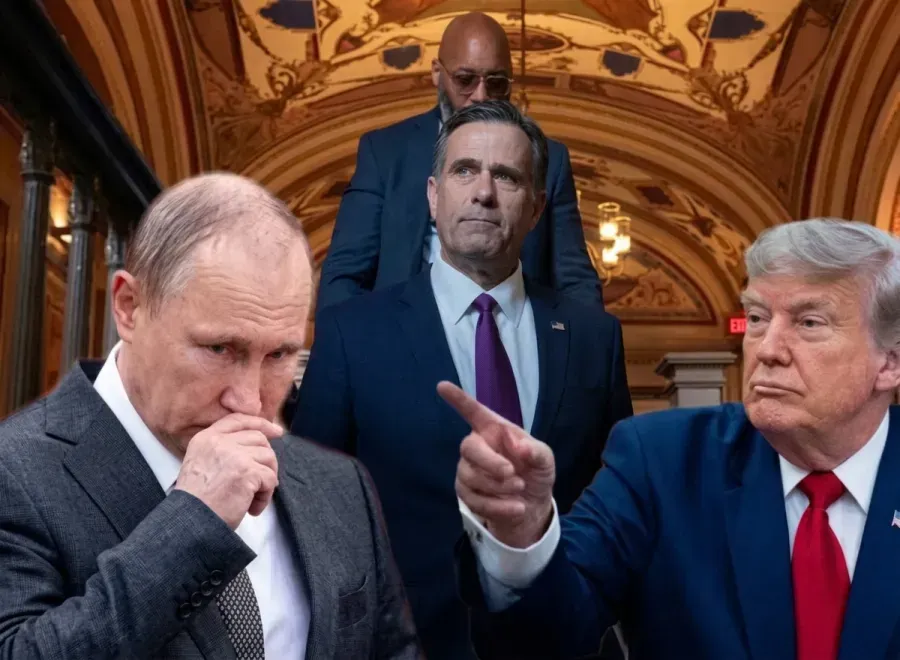
CIA Director John Ratcliffe reportedly warned Russian President Vladimir Putin during a secret visit to Moscow that continuing the war could push Russia into a serious economic crisis.
TodayPress TV reports, citing sources in high-level European political circles who were briefed by their American counterparts, that according to Frankfurter Allgemeine Zeitung, Ratcliffe told Putin that the war was approaching a military stalemate and that Russia’s economic capacity to continue the war was steadily weakening.
According to the report, the CIA director said that prolonging the war for an extended period could drive the Russian economy into a systemic crisis comparable to the period preceding the collapse of the Soviet Union.
The central message of the warning was that prolonging the war would not only increase military and financial costs but could also pose a threat to Russia’s long-term economic and political stability.
The figures cited in support of this warning paint a similar picture. According to Reuters, Russia plans to raise defence spending to 17.1 trillion rubles in 2027, 27% more than originally budgeted. This would be the highest level since the start of the war in Ukraine in 2022. Total defence spending over the next three years is projected to reach 50 trillion rubles.
At the same time, Russia’s projected 2026 budget deficit has been raised from 1.6% to 3.2% of GDP. Total government spending is expected to reach 48.6 trillion rubles, equivalent to 20.9% of GDP. The forecast for oil and gas revenues has been cut from 8.9 trillion to 7.6 trillion rubles.
Economic growth figures also point to the pressure facing Moscow. The Russian government has lowered its forecast for economic growth in 2026 from 1.3% to 0.4%.
The issue is not limited to budget spending. According to SIPRI estimates cited in the article, Russia’s total military expenditure in 2025 amounted to approximately 15.9 trillion rubles, equivalent to 7.2% of the country’s GDP. Thus, the burden of the war economy has moved beyond individual budget items and is affecting the structure of the economy as a whole.
Russia may maintain pressure on the battlefield by increasing military spending, but this comes at the cost of a growing budget deficit, weaker economic growth and a greater need for government borrowing.
This is precisely the dilemma Washington is seeking to create for Moscow: continuing the war will become increasingly costly and could ultimately lead to a broader economic collapse.
Jala Rovshan