
80-year-old order in paralysis – Is the US leaving Europe?
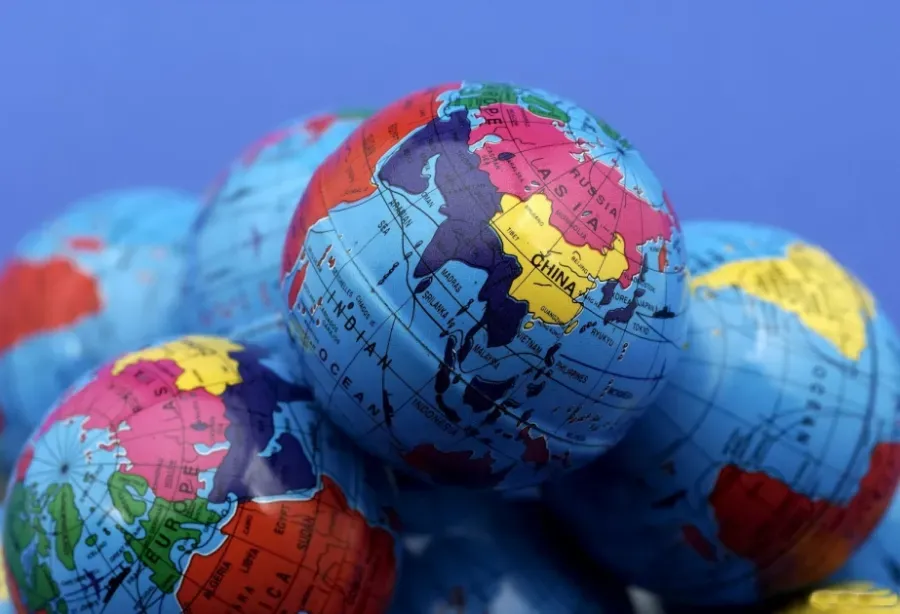
The international system established after World War II has existed for 80 years.
This system was created to stabilize the world, prevent direct clashes between major powers, and ensure cooperation within a certain set of rules.
However, today it is increasingly criticized for being unable to solve global problems, with decision-making mechanisms becoming paralyzed and institutions failing to keep pace with reality. Richard Sakwa, Emeritus Professor of Politics at the University of Kent, emphasized precisely this reality in an interview with Sputnik on the sidelines of the Valdai Discussion Club.
In his words, the system is “very tired” and in a state of “paralysis.” However, he said this does not mean the decline of the West, but rather a process of transformation.
Sakwa’s observation is noteworthy. The order established in 1945 — the UN, the Bretton Woods system, and later NATO and other Western-centered structures — was largely built on US leadership and Western unity. For decades, this order provided relative stability. However, fundamental changes have taken place in the global balance of power. China has emerged as an economic and technological power center, Russia has begun to defend its interests more openly, while the Global South has refused to remain merely a party that accepts Western decisions.
Under these circumstances, the outdated mechanisms of the 1945 model — veto power, Western-centered financial institutions and the security architecture — are no longer capable of responding to real-world problems. The conflict in Ukraine, tensions in the Middle East, the climate crisis and technological competition cannot be resolved with the old tools.
Sakwa particularly draws attention to the changing US-European relationship.
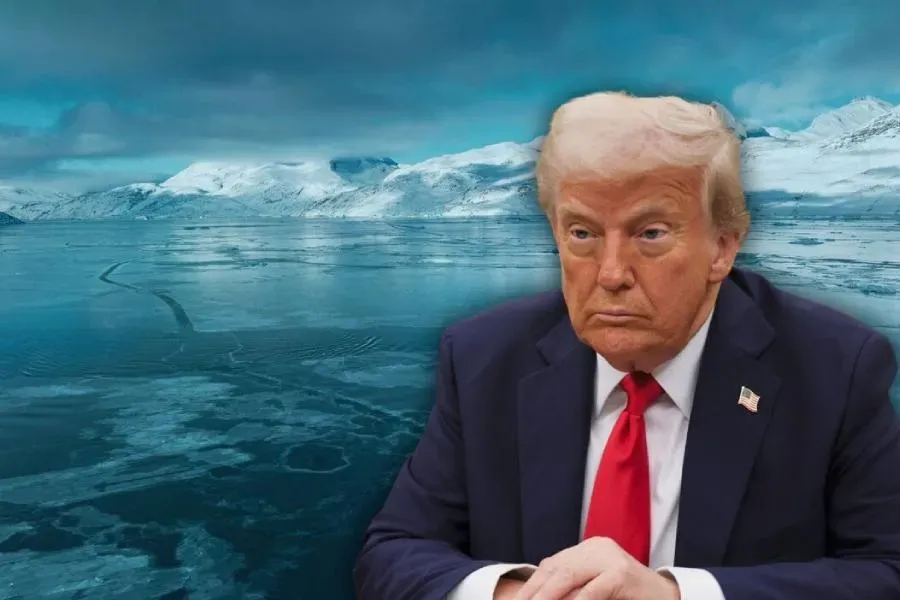
The Western bloc once appeared united. Now the US is not “leaving” Europe, but it is changing the way it works with it. This is not merely a tactical step.
The United States is increasingly shifting its attention toward the Indo-Pacific region, while leaving Europe more to deal with its own problems.
Europe, meanwhile, is not prepared for this reality. It speaks of strategic autonomy, but its actual military and technological capabilities remain limited. As a result, differing interests within the West are becoming more visible. Some interpret this as the “decline of the West.” Sakwa, however, offers a more precise diagnosis: not decline, but transformation.
What is the essence of this transformation? First, the end of the unipolar world. Second, the declining legitimacy of international institutions. Third, the growing role of new centers of power — BRICS countries and regional organizations. The old system is struggling to absorb these changes. It must either be reformed or gradually adapt to new realities. However, the reform process is moving very slowly. As the interests of major powers collide, finding compromises is becoming increasingly difficult.
Sakwa does not claim that the West is “collapsing.” He argues that the 80-year-old order can no longer perform its functions as it once did and that change is inevitable.
This change could be chaotic and dangerous, but it could also open the way to the search for a new balance. The key question is this: Are the major powers ready to abandon old habits and build a more realistic and multipolar order? Or will they deepen the paralysis by trying to bring existing institutions under their own interests?
The central drama of international politics today revolves around precisely this question.
The 1945 system has not completely collapsed, but in its old form it can no longer govern the new world. The transformation process is continuing. And the outcome of this process will determine not only the future of the West, but of the entire world.
Jala Rovshan