
Azerbaijan must urgently free Borchali from Iranian influence
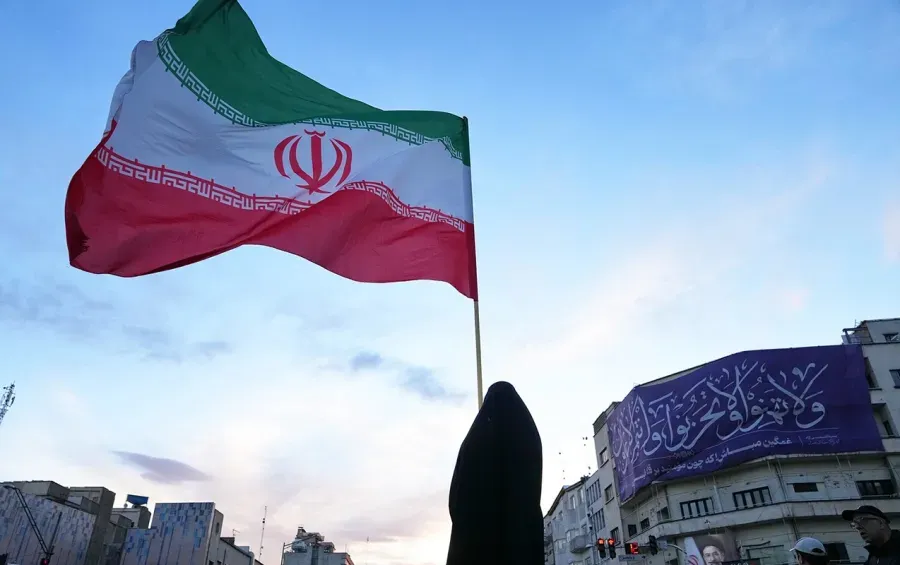
Historian and academic Khaleddin Ibrahimli, one of the founders of the Borchali Society, has commented on recent discussions surrounding Borchali and put forward a number of proposals concerning the region’s economic and political future.
TodayPress TV presents the proposals outlined in a post shared by Ibrahimli on his social media account.
Ibrahimli recalled that Azerbaijanis in Borchali had managed to remain in their homeland through their own efforts during the difficult period that began in the late 1980s. He noted that he had lived through those events and that the Borchali Society had worked around the clock during those years to protect the rights and security of their compatriots. Drawing on this experience, he stressed the importance of strengthening public organisation in the region and supporting community organisations.
In Ibrahimli’s view, the implementation of at least one major regional project involving Azerbaijan through Borchali could fundamentally transform the region’s economy, social welfare and political engagement. Citing the Baku-Tbilisi-Ceyhan oil pipeline, the Baku-Tbilisi-Erzurum gas pipeline and the Baku-Tbilisi-Kars railway as examples, he proposed that Borchali be taken into account when planning future projects.
The academic also addressed the restoration of the Azerbaijan-Georgia land border. According to him, part of Borchali’s population used to make a living through cross-border trade, but the border’s closure for six years has eliminated these opportunities. Ibrahimli described the restoration of cross-border trade as a vital issue for the region. He also drew attention to Iran’s exploitation of this gap through Armenia.
Ibrahimli put forward two specific proposals concerning Türkiye: the activation of the Çıldır border crossing and the construction of a motorway linking Kars and Gazakh. According to his calculations, the distance between Kars and Gazakh is approximately 150 kilometres. He described Borchali as a buffer zone between Armenia and Georgia, Türkiye’s closest land crossing to Azerbaijan, and a territory of strategic importance comparable to the Zangezur Corridor.
Drawing attention to the region’s geographical position, Ibrahimli recalled that the Posof crossing, currently open between Türkiye and Georgia, leads towards Akhalkalaki, where Armenians live, while the land border on the Azerbaijani side remains closed. In his view, this means that Borchali’s main land connection with the outside world remains through Armenia, a route that Iran actively uses. The academic considers opening crossings on the Azerbaijani and Turkish sides the most effective measure to address this situation.
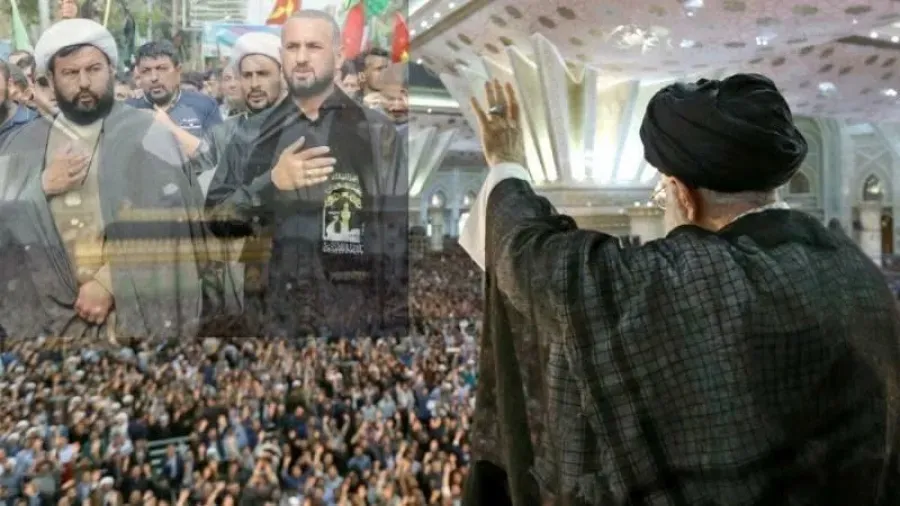
In his post, Ibrahimli specifically emphasised that the population of Borchali is not inclined towards sectarianism:
“Borchali has never been a place of sectarian conflict. The people here have never cared much about sectarianism, and they still do not… This region is not going to fall under Iran’s influence either. People simply go about their business and, when necessary, outsmart the mullahs.”
The academic said that attempts to keep the region’s population in ignorance were doomed to fail. According to him, people from Borchali have established trade ties with countries around the world, from Japan to Canada and Chile, and those concerned about the region’s future have no reason to worry.
Ismayil Shahli