

Traces of ancient pharaonic curse ritual discovered in Egypt
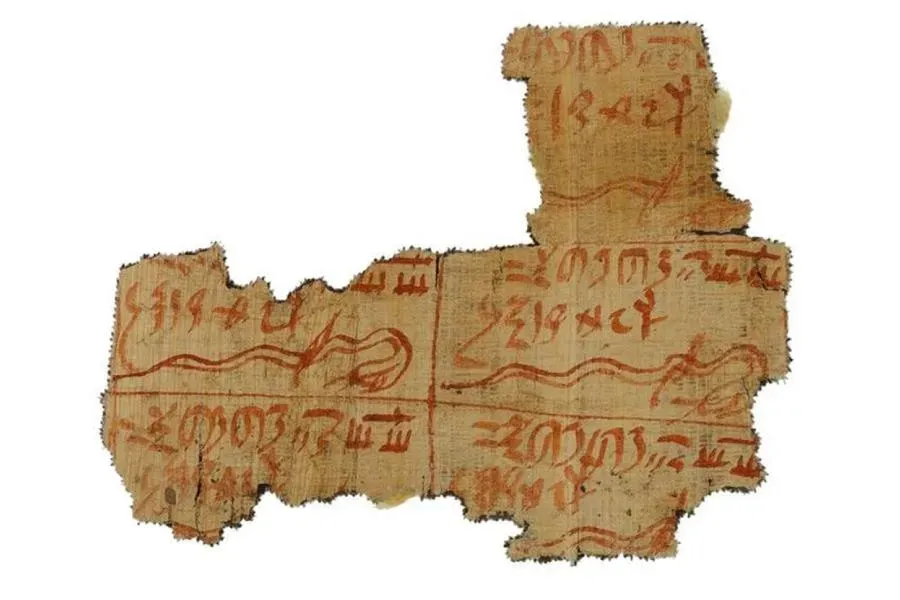
Archaeologists have discovered 40 charred papyrus fragments linked to an ancient curse ritual in a refuse pit near a temple in the ancient city of Thebes, Egypt. The discovery suggests that the ritual was far older and more widespread than previously believed.
TodayPress TV reports that the findings were published in the scientific journal “Zeitschrift für Ägyptische Sprache und Altertumskunde”.
Until now, Egyptologists had only one surviving copy of the Apep ritual, dating to the late fourth century BC. The newly discovered papyrus fragments, however, are approximately 3,400 years old and are considered the earliest physical evidence confirming that the ritual was actually performed.
The ritual was primarily intended to symbolically destroy Apep, a serpent representing chaos and the principal enemy of the sun god Ra. According to ancient Egyptian beliefs, Ra battled Apep every night in the underworld.
Over time, the ritual was also used to curse the pharaoh’s enemies and other individuals, as well as in ceremonies intended to protect against dangers associated with the serpent, including poison and bad weather.
Fredrik Hagen, professor of Egyptology at the University of Copenhagen, said the papyrus fragments provide new insights into how widespread curse rituals were in ancient Egypt.
According to Hagen, these ceremonies were regularly performed in temples but were also widely practiced outside religious institutions.
The papyrus fragments, none larger than half a postage stamp, contain images of Apep and ritual texts. The serpent’s name was written in red ink, and a wax figure of it was created before being stabbed with a knife, trampled, spat upon and burned while magical incantations were recited.
Many of the discovered fragments show signs of puncturing and charring, consistent with ritual instructions requiring the destruction of the materials by fire.
Hagen noted that the findings confirm the ritual existed approximately 1,000 years before the surviving written version from the fourth century BC.
The discovery demonstrates that the ritual of destroying Apep was already part of ancient Egyptian religious culture during the New Kingdom period.
Aysel Matlab