
A century ago, a unique manuscript discovered in Istanbul revolutionised Turkish history
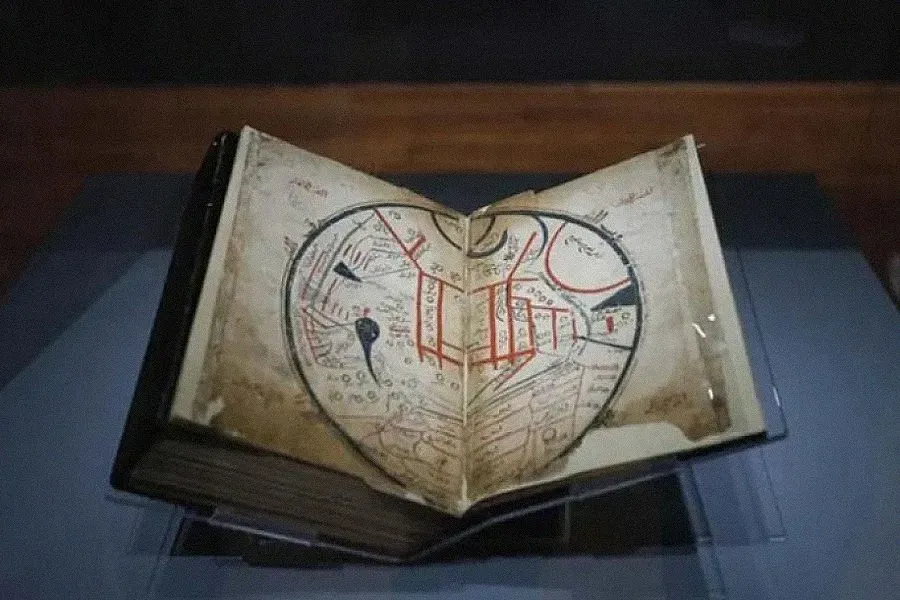
Writer and Doctor of Philosophy in Philology Gismat Rustamov has recounted the fascinating events surrounding the discovery and publication of the only known copy of Mahmud al-Kashgari's world-famous work, Dīwān Lughāt al-Turk, at Istanbul's second-hand book market in 1914.
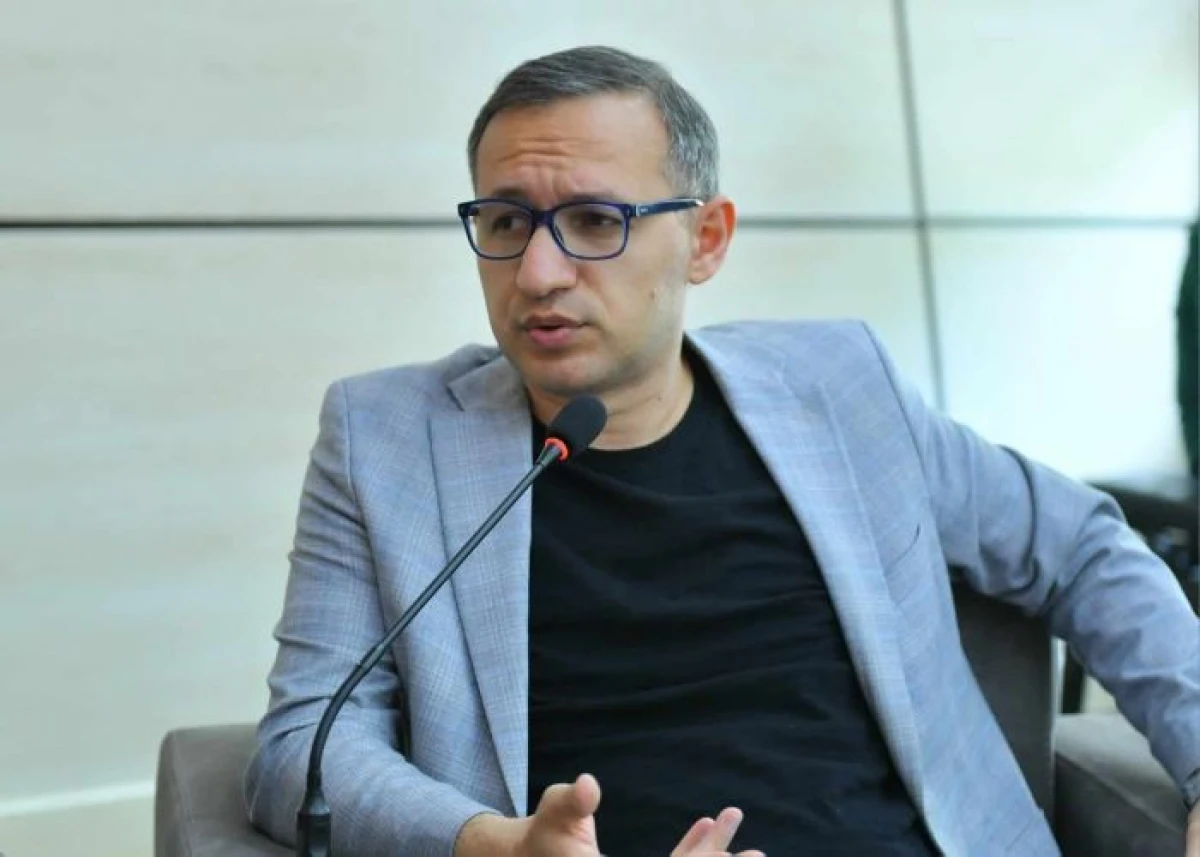
TodayPress TV reports that he highlighted the dedication of book lover Ali Amiri Efendi, the passion the manuscript inspired among scholars, and the attitude of prominent statesmen of the time towards culture.
The story began when Ali Amiri Efendi came across the rare manuscript in the shop of a second-hand bookseller named Burhan Bey and attempted to negotiate its price.
"Ali Amiri Efendi tried not to reveal his true interest. He pointed out that some pages were missing in an attempt to bring the price down, but the bookseller would not budge. He told him: 'Efendi, there is a story behind this manuscript. A poor woman, a relative of former Finance Minister Nazif Pasha, brought it to me. Before his death, the pasha entrusted the manuscript to her and told her: If you ever find yourself in financial difficulty, you may sell it, but under no circumstances should you let it go for less than 30 gold coins!'"
The writer noted that, at the time, an ordinary mid-level official earned no more than five gold liras in salary. Taking into account both the value of the manuscript and the poor woman's circumstances, Ali Amiri Efendi agreed to the price. With only 15 liras in his pocket, he rushed to Beyazıt Square to prevent the manuscript from slipping away, borrowed 20 liras from his friend Faiq Rashad Bey, head of Darülfünun, bought the book for 30 liras and gave the bookseller an additional three-lira tip.
After acquiring the manuscript, Ali Amiri Efendi began guarding it closely, showing it only to his trusted friend, linguist Kilisli Rifat Efendi. Rifat Efendi read the work three times over two months, put the scattered pages in order and established that the manuscript was complete. As news of the discovery spread, prominent figures such as Ziya Gökalp and Fuad Köprülü sought permission to publish it, but Ali Amiri Efendi refused.
The writer also recounted Ziya Gökalp's appeal to Kilisli Rifat Efendi:
"One day, Ziya Gökalp told Kilisli Rifat Efendi: 'I never knew what passion was, but this book, whose face I have never seen, has kept me awake at night. Find a way to persuade your friend.'"
Permission to publish the work was eventually secured through the intervention of Grand Vizier Talaat Pasha. Ali Amiri Efendi was invited to a gathering at the home of Justice Minister İbrahim Bey, where Talaat Pasha and his friends supposedly arrived "by coincidence". The grand vizier's profound respect, including his gesture of kissing Ali Amiri Efendi's hand, softened the book lover's stance. He agreed to publication on one condition: that Kilisli Rifat Efendi himself prepare the manuscript for printing.
Kilisli Rifat Bey, who took responsibility for preparing the manuscript for publication, faced a difficult challenge in keeping it safe. Since no institution or acquaintance was willing to assume responsibility for it, he hung the bag containing the manuscript on a wall at home and assigned his children to guard it in turns. He instructed them to rescue the bag first in the event of a fire. At night, he even slept with it under his pillow. Finally, after a year and a half, the work was published in three volumes.
One of the most moving moments in the story concerns a gift of 300 gold liras sent by Grand Vizier Talaat Pasha to Ali Amiri Efendi while the book was being prepared for publication. Ali Amiri Efendi refused to accept the money and sent the pasha a message that would go down in history:
"'Thank you for your kindness, but I cannot accept the money. If I were to take it, I would be receiving payment for a small service I have rendered to my homeland and nation. That would weigh heavily on my conscience. I am returning the money to you. If you give it to several families in need, both your humble servant and God will be pleased. Let this charity be known as the “Dīwān Lughāt al-Turk charity”,' Gismat Rustamov noted.
Turkan Iskandarli