
Iran sends out an SOS: The country's weakest point...
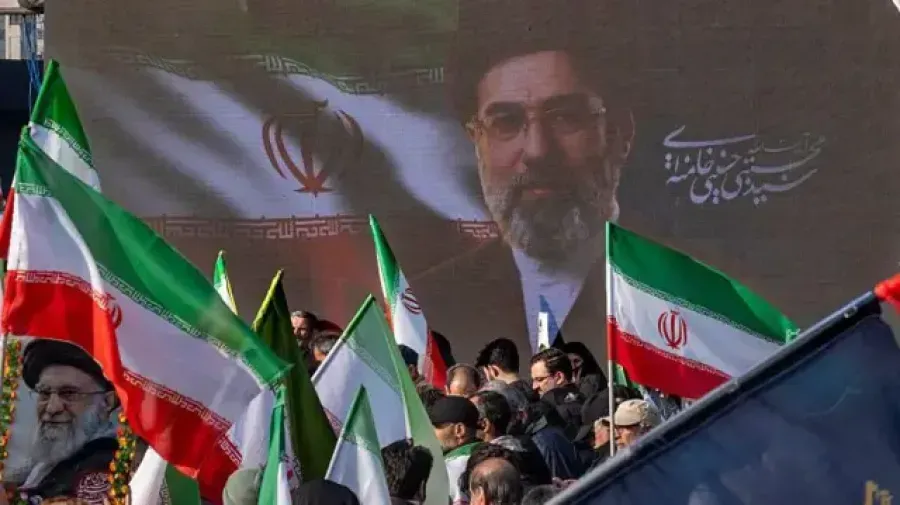
Iranian Parliament Speaker Mohammad Bagher Ghalibaf has said that the country's current state of “neither war nor peace” cannot continue.
TodayPress TV reports, citing The Iran Watcher, that during a meeting with the heads of parliamentary committees, Ghalibaf stressed that it was counterproductive to portray political discussions as surrender negotiations and the possibility of war as support for conflict.
According to Ghalibaf, enemy forces have concluded that another 40-day war would not be sufficient to achieve their objectives. Consequently, their main strategy is to undermine security inside Iran, exert economic pressure and bring about the collapse of the government from within.
He said one of Iran's main tasks is to establish a long-term deterrence mechanism. To achieve this, he stressed the importance of strengthening national unity and solidarity and taking urgent economic measures. Ghalibaf also noted that energy reforms must not be delayed, adding that the process should begin with the gas sector.
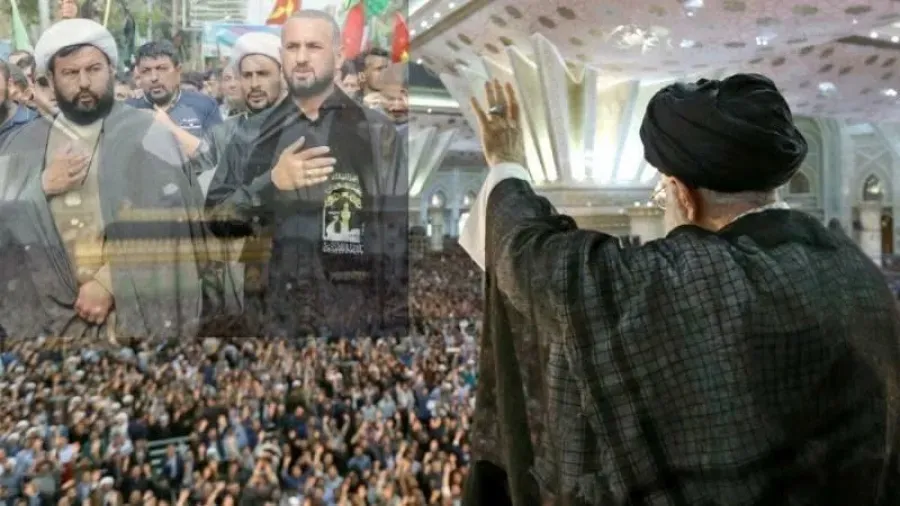
According to the parliamentary speaker, the Supreme Leader has also issued clear instructions on ending the country's state of uncertainty. President Masoud Pezeshkian had previously raised the importance of resolving this issue as well.
Ghalibaf's remarks are particularly noteworthy because they amount to an open acknowledgment at the highest levels of Iran's leadership that the country's greatest vulnerability may lie less in external military intervention than in its domestic economic and social problems. Although the authorities maintain that military preparedness is continuing and that Iranian forces will determine the scale of any potential new conflict, the main focus appears to be shifting towards internal stability.
This approach also raises the possibility that economic discontent, inflation, shortages, protests and social tensions in the country may increasingly be treated as security issues. In such circumstances, the authorities could find grounds to link public dissatisfaction with the activities of foreign powers and portray protests as security threats.
Although Ghalibaf has emphasised Iran's military deterrence capabilities, he has acknowledged that the main challenges facing the government concern the economy and domestic stability. His remarks indicate that one of Tehran's greatest tests is no longer simply defending itself against external threats, but also managing growing discontent within the country.
Jala Rovshan