
US security chief arrives in Baku: What was on the president's table?

The November 22 visit of US Secretary of Homeland Security Markwayne Mullin to Azerbaijan and his meeting with President Ilham Aliyev highlight the growing importance of regional connectivity alongside security cooperation in Washington-Baku relations.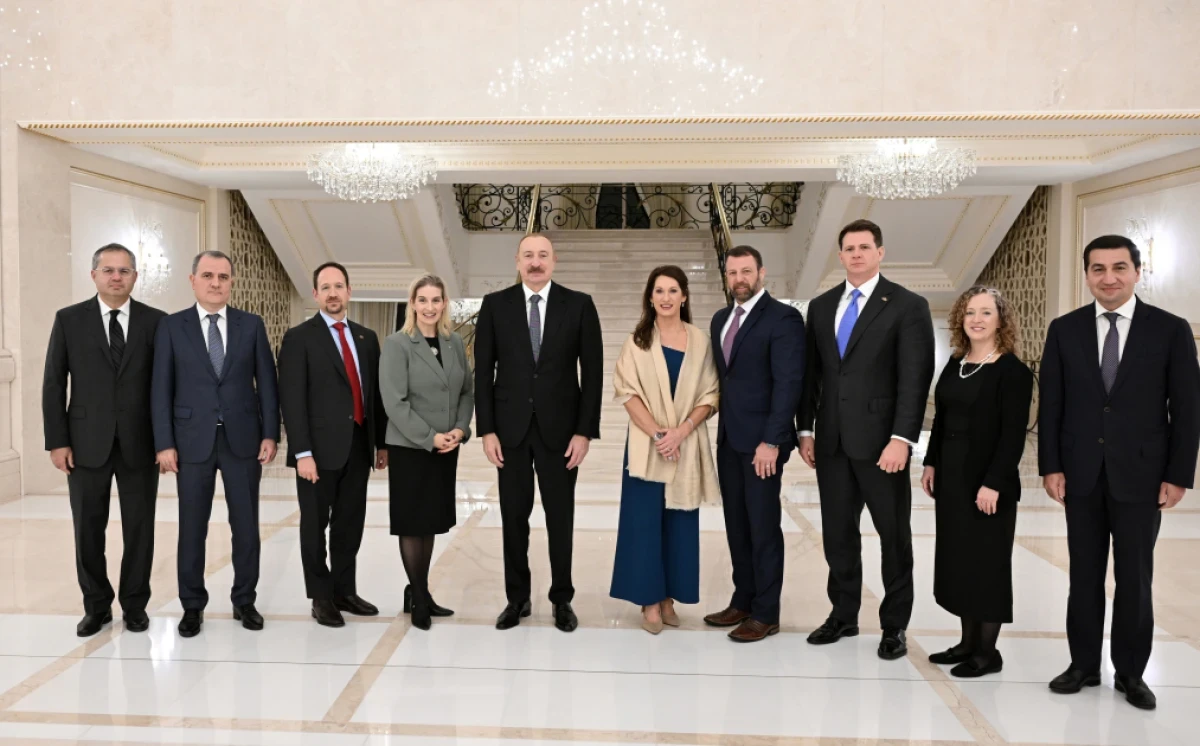
Mullin visited Baku in January this year as a member of the US Senate Armed Services Committee. This time, however, he arrived in Azerbaijan holding a significantly higher position within the US administration — as Secretary of Homeland Security.
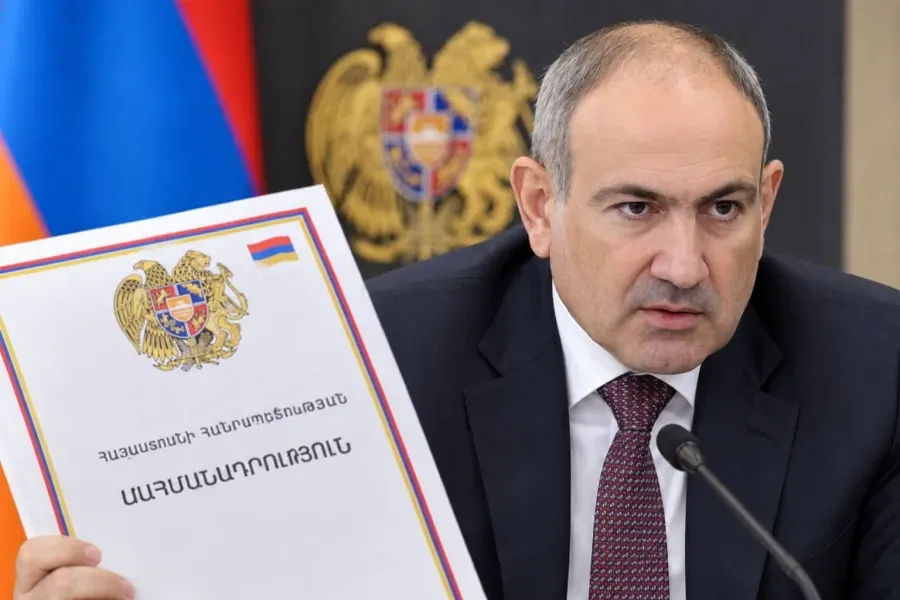
A particularly noteworthy aspect of the visit is that it coincided with the implementation phase of the agreements reached on August 8 in Washington, where the leaders of Azerbaijan and Armenia took part in a summit. Following that meeting, the peace agenda has increasingly been accompanied by efforts to establish regional transport and economic connectivity as a key component of US policy in the South Caucasus. Mullin's emphasis on the importance of the TRIPP project for regional trade and connectivity once again demonstrates Washington's commitment to this direction.
The timing of the developments is also particularly significant. Just one day after Mullin's visit to Baku, on November 23, the official launch of the implementation of the TRIPP project was announced. Thus, while the US official was in Azerbaijan, one of the initiatives agreed upon at the Washington summit moved into the practical implementation phase. As is known, the project envisages establishing a transport link between mainland Azerbaijan and Nakhchivan through Armenian territory, as well as developing energy and other communication networks across the region.
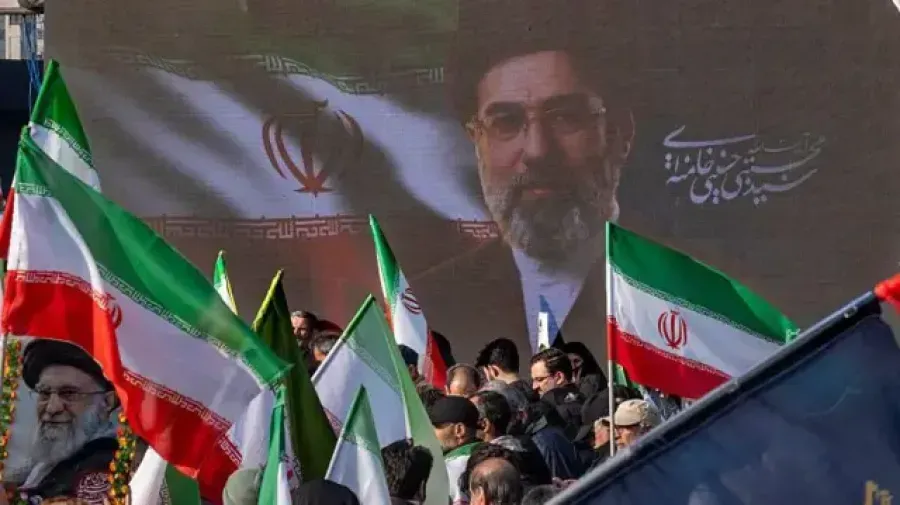
The launch of TRIPP's implementation has not been universally welcomed across the region. Iran's position, in particular, demonstrates that the project is not viewed solely as an economic and transport initiative. Tehran has stated that it will not rely on assurances from third parties that the country's security will not be threatened. At the same time, it has emphasised that Armenia has provided the necessary assurances, that relations between the two countries are at a high level and that mutual trust exists. Nevertheless, Iran has declared that it considers the deployment of any military or security structures near its borders unacceptable.
Tehran's position highlights one of the central issues surrounding TRIPP: alongside the project's economic benefits, its impact on the regional security environment is also a matter of concern for neighbouring countries. For Iran, preserving its border with Armenia and the existing geopolitical situation in that area is of particular importance. Consequently, security guarantees are likely to remain on the political agenda throughout the project's implementation.
Against this backdrop, Mullin's visit to Azerbaijan also sheds light on the areas in which US-Azerbaijan relations could develop at this new stage. Issues such as cooperation in homeland security, improvements to border and customs procedures, cybersecurity and the protection of critical infrastructure are also reflected in the Strategic Partnership Charter between the two countries. The launch of TRIPP's implementation further increases the practical significance of these areas of cooperation.
There is also a regional dimension to the matter. Establishing a connection between mainland Azerbaijan and Nakhchivan could expand the country's transit capabilities while creating opportunities for a new route to emerge on the South Caucasus transport map. The United States, meanwhile, is positioning itself as a partner supporting both the implementation of peace agreements and the development of regional economic connectivity. Mullin's visit and the launch of TRIPP's implementation are two significant developments within the same political agenda.
Jala Rovshan