
What is Tbilisi relying on as it risks relations with Baku?
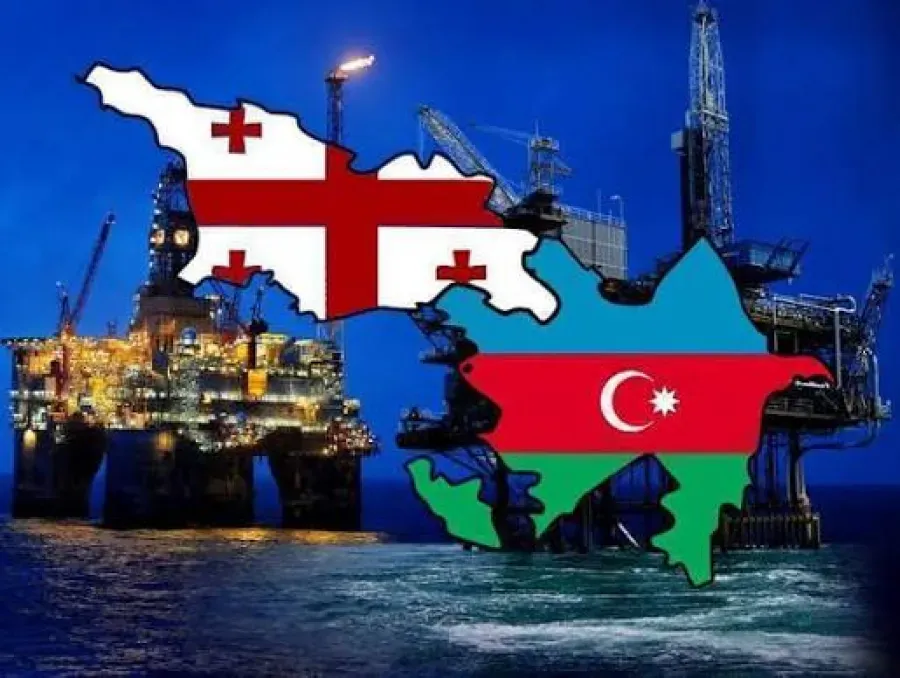
We are witnessing an increase in negative rhetoric against Azerbaijan in Georgia. Some political circles and nationalist groups are raising issues related to Azerbaijan’s historical and cultural heritage, particularly border and historical monument issues, and are using harsh rhetoric against Baku. At the same time, Georgia’s significant dependence on Azerbaijan in the energy and transit sectors makes the situation even more notable.
If Georgia “does not want” Azerbaijani gas, what will it do? What consequences could this have for Tbilisi?
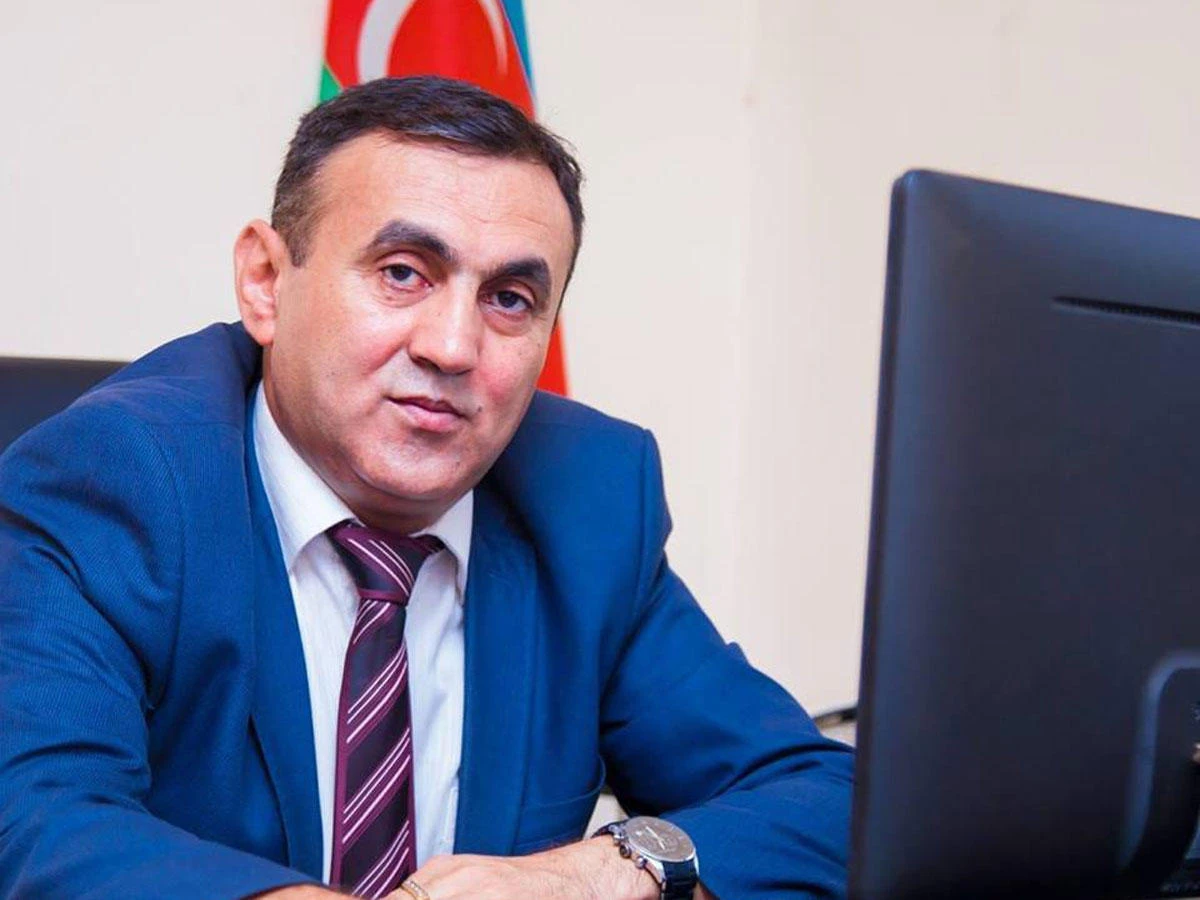
Commenting on the issue to TodayPress TV, political analyst Shakir Aghayev said that the Georgian government is interested in maintaining normal relations with Azerbaijan:
“Despite the escalation in rhetoric, the Georgian government, and Prime Minister Kobakhidze just a few days ago, also noted that they are developing friendly and strategic partnership relations with Azerbaijan in all areas. As you know, there is also the Azerbaijan-Türkiye-Georgia trilateral format. However, certain disagreements have emerged following the TRIPP project coming onto the agenda. You and I know that Azerbaijan’s main logistics projects — whether gas and oil, railways or roads — reach Europe through Georgia. However, after the TRIPP project became relevant, Georgia understands that it is no longer the only alternative route for Azerbaijan’s access to Europe.”
He noted that if Armenia signs a peace agreement with Azerbaijan, accepts Azerbaijan’s terms and makes the relevant changes to its Constitution, the Zangezur Corridor will be opened, as Azerbaijan has stated. In this case, an alternative route to Europe through Armenia would also emerge. This could lead to a decrease in the volume of cargo and goods passing through Georgia.
The analyst pointed out that Azerbaijan is considering alternative routes for all corridors:
“Recent events have shown that having only one route creates certain risks. In other words, dependence on a single direction does not mean complete security and stability. With the Armenia-Türkiye route also becoming operational, a new route to Europe will open.
Georgia naturally does not want to accept and come to terms with this. The emerging tensions stem precisely from this.”
The analyst believes that Georgia cannot give up Azerbaijani gas:
“Azerbaijan sells gas to Georgia at a price far below world market prices. This is no secret. During Georgia’s most difficult periods — I am referring to the Saakashvili era — when Russia halted gas supplies to Georgia, Azerbaijan saved the country from the crisis. Even today, Azerbaijan supplies the majority of the gas used by Tbilisi. I do not think Georgia will completely give up Azerbaijani gas. Such a step could cause Georgia itself to suffer greater losses. On the other hand, Azerbaijan’s oil and gas pipelines pass through Georgian territory. Georgia receives substantial transit fees from these pipelines, and these revenues play an important role in the country’s economy.
In addition, there are quite a large number of Azerbaijani businesspeople and tourism companies in Georgia. Therefore, I do not believe that Georgia will pursue a policy of completely abandoning relations with Azerbaijan.”
Shakir Aghayev also noted that certain disagreements do exist:
“Georgia wanted to remain the main transit route for Azerbaijan’s access to Europe. Azerbaijan, however, has always sought to diversify its routes in order to take potential risks into account and reduce dependence on any particular direction.”
Jala Rovshan