Is Trump working for the Kremlin? Putin’s opportunity
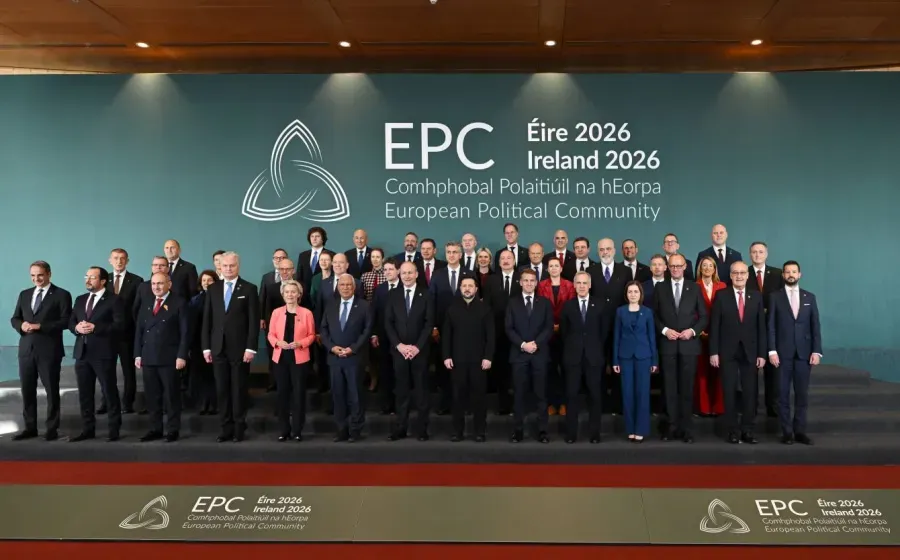
Since NATO was founded in 1949, neither the Soviet Union nor, later, Russia has dared to launch a direct, large-scale conventional military attack against any member of the alliance.
This has been due to NATO’s military superiority and the deterrent effect of its collective defence principle over several decades. However, since Donald Trump returned to power, changes in Washington’s approach to the alliance have brought the political foundations of this security mechanism into question.
Trump’s policies have undermined not so much NATO’s military capabilities as the political solidarity within the alliance and confidence in its collective defence commitment. The alliance’s strength is measured not only by its weapons, military budgets and manpower. The willingness of members to guarantee one another’s security is also crucial. The uncertainty created by Washington’s relations with its allies could give Moscow greater opportunities to exploit divisions within NATO.
The potential consequences of this approach are forcing Europe to reconsider its security architecture.
NATO’s future credibility, the role of the European Union and Canada in defence policy, and Ukraine’s place in the future security system all require more serious discussion.
Two main paths lie ahead: either the alliance will restore its former political unity in the post-Trump era, or Europe will seek to expand its defence capabilities and establish more independent security mechanisms.
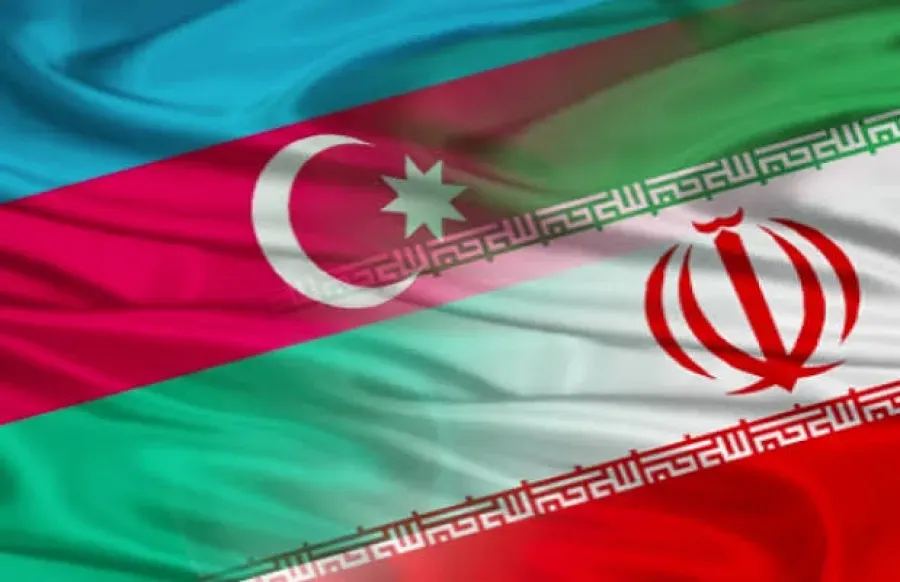
Another aspect of the issue concerns the Trump administration’s policies towards Russia and Iran.
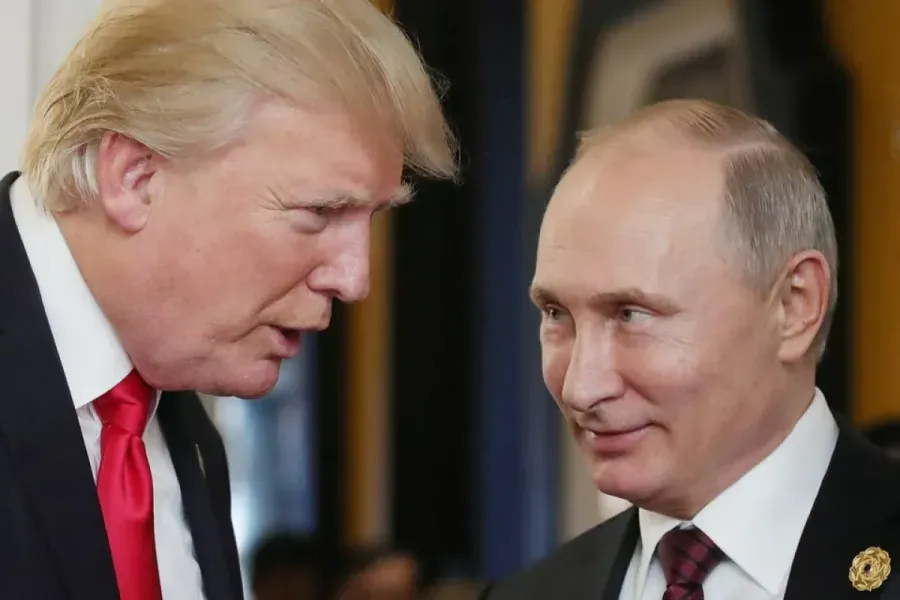
The political closeness Trump has demonstrated towards Putin has produced consequences contrary to the United States’ previous strategic plans. Washington’s initial strategy was to weaken Russia economically through sanctions and undermine the position of Putin’s government.
The plan was to dismantle the capabilities of the Iranian regime and the armed organisations it finances, and to bring about a change of power in the country in the first half of 2027. However, Trump’s relations with the Russian leadership and his political and economic rapprochement with authoritarian leaders are among the factors obstructing the implementation of this strategy.
Russia and Iran are currently facing economic, social, diplomatic and political difficulties, while the future of Tehran’s leadership in particular raises serious questions.
Israel’s security strategy also suggests that developments in the region are unlikely to come to an end soon. Tel Aviv’s intention to maintain pressure on Iran and its regional allies could bring further stages of geopolitical confrontation to the Middle East.
Against this backdrop, the key question is whose political and geopolitical interests Trump’s policies serve. The US president’s decisions, his relations with Russia and potential conflicts of interest require comprehensive scrutiny. Democrats are expected to raise the issue of the political and legal accountability of Trump’s decisions.
Thus, the debate is no longer limited to Trump’s foreign policy choices. It concerns the international standing of the United States, NATO’s future ability to function effectively, and the West’s capacity to pursue a unified strategy against adversaries such as Russia and Iran. If the crisis of trust in Washington’s relations with its allies is not resolved, its consequences could affect not only Europe’s future but also the global security system as a whole.
Jala Rovshan