Iran is flooding Georgia with drugs – EXPERT COMMENT
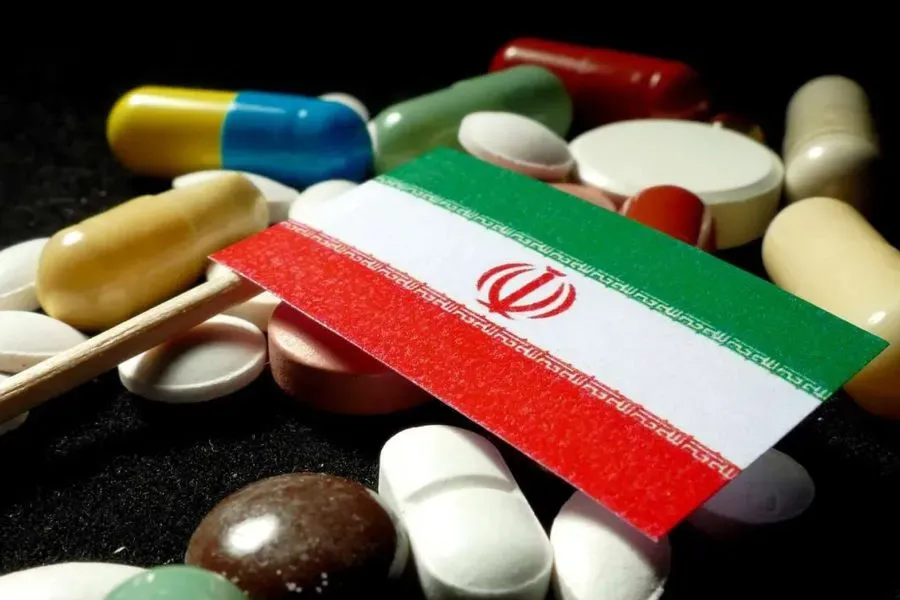
The increase in drug trafficking in Georgia and the social consequences of drug addiction, particularly among young people, have once again come into focus. In his latest sermon, Bishop Giorgi Chamdeliani of the Marneuli and Hujabi Eparchy stressed that drugs are being brought into the country from abroad and that certain individuals may be providing protection for these activities. He also emphasised that the problem should be addressed not only through punitive measures but also by establishing rehabilitation centres.
Commenting to TodayPress TV on the current situation and the impact of the Iran–Georgia route on regional drug security, anti-drug expert Emil Magalov said that the liberation of Azerbaijani territories from occupation had fundamentally changed drug trafficking routes in the region.
According to him, drug shipments were previously transported mainly through occupied territories:
“The previous route ran from Iran through Karabakh (the occupied territories), Georgia and on to Europe. After our territories were liberated from occupation, Iran has once again been able to use Azerbaijan, to a limited extent, as a transit route. However, thanks to the efforts of the State Border Service, the State Customs Committee and other relevant agencies, it has been possible to intercept approximately 30–40% of this transit.”
The expert noted that Azerbaijan’s stronger border and customs controls had forced drug trafficking networks to seek alternative routes, with Armenia now bearing much of the burden:
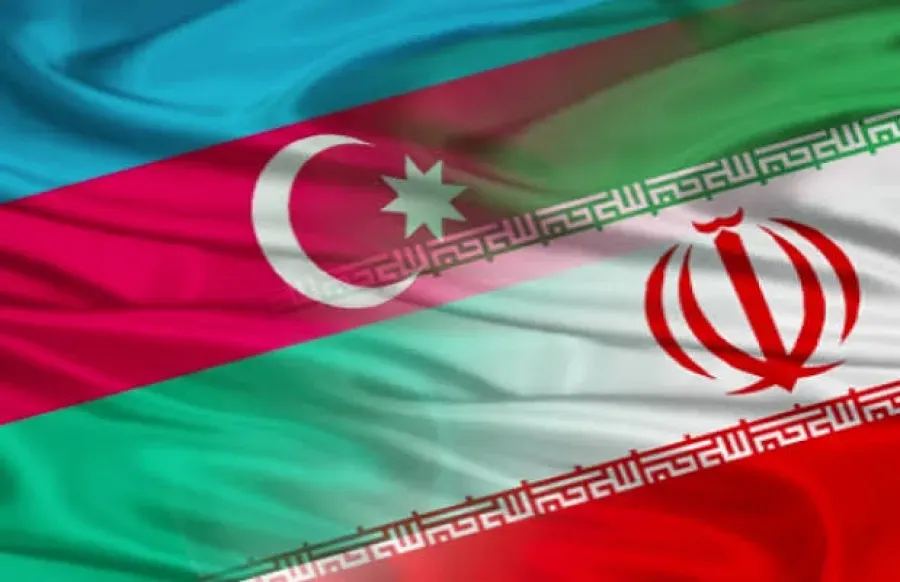
“Since Iran is currently facing difficulties using Azerbaijan as a transit country, it has redirected a large part of the route along the Iran–Armenia–Georgia–Europe corridor. As a result, compared with the previous period, Azerbaijan has become a less frequently used transit country along this route.”
Magalov also recalled that during the occupation, those territories had become centres of drug production:
“One of the main problems was that drugs were both cultivated and grown, as well as produced, by Armenians and Iranians in the occupied territories. Another major problem was that these areas remained outside effective control for a long time.”
Comparing the current drug situation in Georgia and Azerbaijan, the expert stressed that the measures taken in Azerbaijan had produced more effective results:
“As for the number of drug users relative to population size, this figure is reportedly higher in Georgia than in Azerbaijan. However, when the effectiveness of efforts to combat illegal drug trafficking, population size and our country’s position along transit routes are taken into account, Azerbaijan is ahead of Georgia in this area. The situation in Azerbaijan is considerably better than in Georgia in per capita terms. We have achieved significant progress in this field over the past five to six years and are working towards further successes,” he concluded.
Turkan Isgandarli