

The reason you can’t fall asleep may be right in your hands
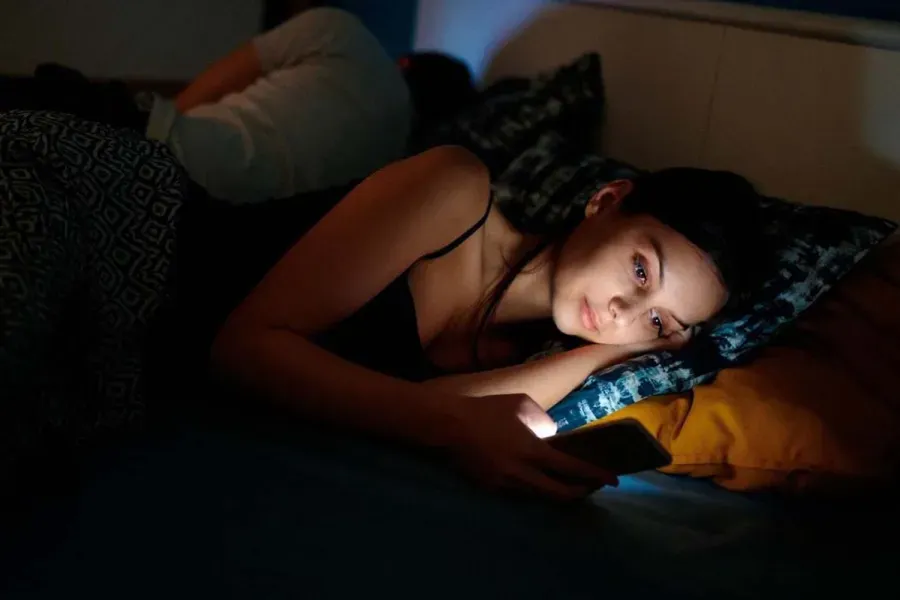
Blue light emitted by the screens of smartphones, computers, tablets and televisions has become an integral part of our daily lives. Spending long periods in front of screens, in particular, can contribute to eye strain, disrupted sleep patterns and changes in the body’s biological rhythm.
How does blue light affect the eyes?
Blue light is part of the visible light spectrum. It is also present in sunlight and helps maintain alertness and concentration during daylight hours. However, spending long periods in front of screens without breaks can cause symptoms such as dry eyes, burning sensations, redness, blurred vision and headaches.
These symptoms are mainly associated with reduced blinking when looking at screens and the eyes focusing on the same distance for extended periods. Current scientific evidence does not confirm that blue light emitted by ordinary screens directly damages the retina.
Effects on the brain and sleep cycle
One of the main mechanisms affected by blue light is the body’s biological clock. The brain regulates sleep and wakefulness cycles in response to light signals. In particular, exposure to bright screens in the evening can delay the release of melatonin, commonly known as the sleep hormone.
As a result, people may find it harder to fall asleep, experience disrupted sleep patterns and feel tired in the morning. For this reason, intensive use of phones and other electronic devices before bedtime is not recommended.
How can you reduce the effects of blue light?
- Following a few simple guidelines can help protect eye health and maintain a healthy sleep routine:
- Every 20 minutes, look at an object approximately 6 metres away for 20 seconds.
- Try to blink more frequently while using screens.
- Limit phone and computer use at least one hour before bedtime.
- Reduce screen brightness in the evening and use night mode.
- Maintain an appropriate distance between your eyes and the screen.
- Take regular breaks between work and rest.
Although blue light can be beneficial during daylight hours, intensive exposure to bright light at night may negatively affect the sleep cycle. Using screens responsibly, taking regular breaks and avoiding digital devices before bedtime can help protect both eye comfort and sleep quality.
Kubra Musayeva