
What cards is the Iranian media using to keep the crisis in the shadows?
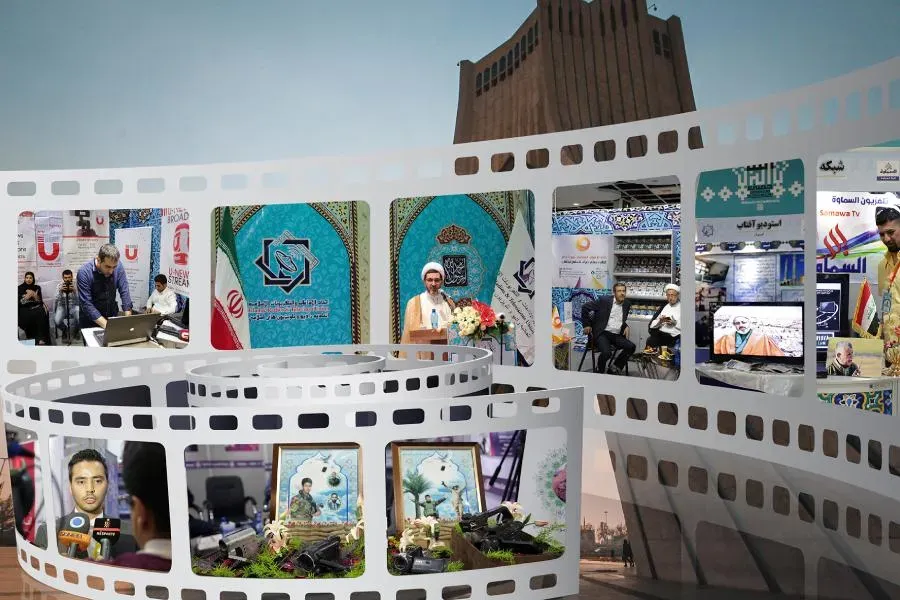
Monitoring the Iranian state media’s broadcasting policy over the past week makes the messages Tehran is seeking to convey both to the international community and to its domestic audience clearly visible. The overall picture of the week consists of a combination of diplomatic moves and tough military threats.
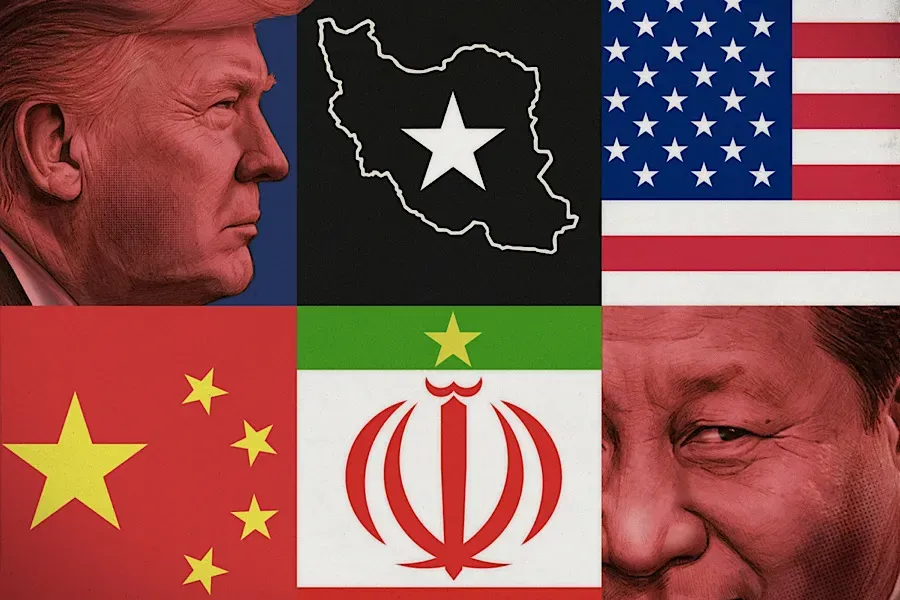
First and foremost, the “carrot-and-stick” tactic applied over the Strait of Hormuz stands out. Iranian Foreign Minister Abbas Araghchi’s presentation of a seven-day plan to the United States on the UN platform appears to be an attempt by Tehran to portray itself as a constructive, solution-oriented side that does not want chaos. However, the messages that followed the proposal — warning that “the geography of the war will expand” if the United States does not accept the conditions — along with threats from the Islamic Revolutionary Guard Corps (IRGC), show that the diplomatic proposals also contain an element of pressure and ultimatums. Against the backdrop of Donald Trump rejecting these conditions, Iranian media’s emphasis on Tehran’s determination not to back down appears aimed at conveying to the domestic audience the message: “We wanted peace, but the other side is the aggressor.”
President Masoud Pezeshkian’s visit to New York and his address to the UN General Assembly, meanwhile, stand out as a communication strategy aimed largely at gaining “moral superiority.” Pezeshkian’s emphasis on civilian casualties and the deaths of children in his speech, while portraying Iran as a “victim of terrorism,” can be viewed as an attempt to win the emotional support of the international community. The rhetoric of “We do not want war, but we will not surrender” keeps the door open to dialogue while simultaneously preventing an image of weakness from emerging. Araghchi’s intensive contacts with Türkiye, Saudi Arabia and the Arab League, meanwhile, appear aimed at countering the US policy of isolating Iran and, at the very least, keeping regional states in a neutral position.
The media’s efforts to project a message of domestic resilience amid military threats and sanctions are also an important aspect of the monitoring. The extensive coverage of continued flights to China despite sanctions and cancelled flights, sporting achievements at the Asian Games, the development of the South Pars field, and the reopening of schools does not appear coincidental. Through these reports, state media are conveying the message to society that “state mechanisms and daily life continue as normal despite the crises.” This approach serves as one of the soft-power elements used to balance the psychological pressure created by military rhetoric.
In conclusion, Iranian media appear to have demonstrated a unified and mutually reinforcing communication strategy this week. On the one hand, Tehran is using the language of international law and diplomacy in an effort to exert political and diplomatic pressure on the United States; on the other, it is sending a deterrence message by demonstrating military power. In reports aimed at the domestic audience, meanwhile, the emphasis on sports, the economy and everyday life helps maintain an image of stability and effective governance in the country.
Giymat Mahir