
Lavrov meets Germany’s foreign minister in New York amid strained relations
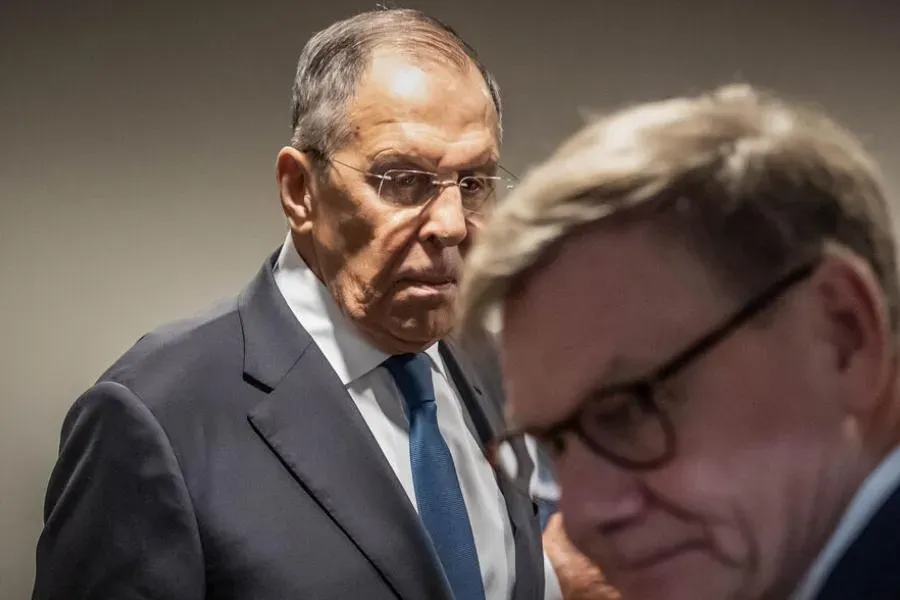
Russian Foreign Minister Sergey Lavrov met with German Foreign Minister Johann Wadephul in New York on the sidelines of a UN event. The meeting took place at a time when relations between the two countries are highly strained. The most notable aspect is that the foreign ministers of the two countries met for the first time since 2022. Moreover, just one week before this contact, Russia’s last general consulate in Germany had completely ceased operations.
The conversation at the UN headquarters lasted around 20 minutes. Russian Foreign Ministry spokesperson Maria Zakharova said that it was specifically the German side that had requested the meeting. During the talks, the sides discussed the situation in Ukraine and deteriorating Russian-German relations. However, the German minister reiterated that his country maintained its previous tough position on these issues.
According to Zakharova, German diplomats also imposed certain conditions regarding media filming before the meeting. She also recalled that Lavrov had held numerous meetings with representatives of other countries at the UN and, in an apparent reference to the German minister, criticized what she described as an attitude among European officials of considering themselves superior.
Germany’s request for the meeting at a time when relations are effectively frozen and consulates have been closed was not accidental. Berlin understands that completely cutting communication channels with Russia poses risks to long-term security. The 20-minute duration indicates that the sides did not reach any major agreement, but Germany apparently wanted to ensure that a direct channel of communication with Moscow remained operational and reiterate its position face-to-face. While Germany speaks publicly to Russia in harsh terms and imposes sanctions, it is also seeking diplomatic contacts behind the scenes. This is a “dual-track” approach often seen in Western policy: on the one hand, public pressure and statements of support; on the other, continued pragmatic calculations behind closed doors. The conditions imposed by German officials on media filming also point to this — they did not want the meeting to be interpreted within Germany or among its allies as a “concession to Moscow.”
For Moscow, meanwhile, the meeting is primarily useful from a propaganda perspective. Maria Zakharova’s statements and the message that “Germany itself pleaded” for the meeting convey the following idea to the Russian audience: “No matter how many sanctions they impose, they eventually come to our door themselves.” Russia’s repeated references to Europe’s alleged “superiority complex,” including Josep Borrell’s “garden and jungle” metaphor, are part of its effort to maneuver around the European Union’s diplomatic rhetoric.
Giymat Mahir