
Türkiye and Pakistan deploy troops to Saudi Arabia – Will Iran ‘take note’?
The agreement signed in Mecca has entered a new phase following decisions made in Riyadh. Türkiye, Saudi Arabia and Pakistan are now discussing not only diplomatic solidarity but also joint defense capabilities. This development opens the door to a process that could reshape the balance of power in the Middle East.
TodayPress TV reports that Turkish terrorism and security expert Imbat Muğlu made these remarks in an interview with Axar.az.
According to him, the cards are being reshuffled in the Middle East:
“For years, the future of the region has largely been shaped by the military presence of external powers and bilateral defense agreements. This time, however, regional countries are seeking to strengthen their own capabilities. The Mecca Agreement is one of the most notable examples of this new effort.
“The most important aspect of the agreement signed between Türkiye, Saudi Arabia and Pakistan is that an armed attack on one member state is considered an attack on the other members as well. The process that began in Mecca gained an institutional framework with the first meeting of the Strategic Political and Defense Committee held in Istanbul.
“The latest meeting in Riyadh subsequently provided new indications that the mechanism would not remain merely a political declaration. Intelligence sharing, military coordination, defense industry cooperation, joint technology and production, development of military capabilities and, when necessary, activation of joint defense capabilities — all of these indicate that the Mecca Agreement is intended to move from the rhetoric stage to implementation.
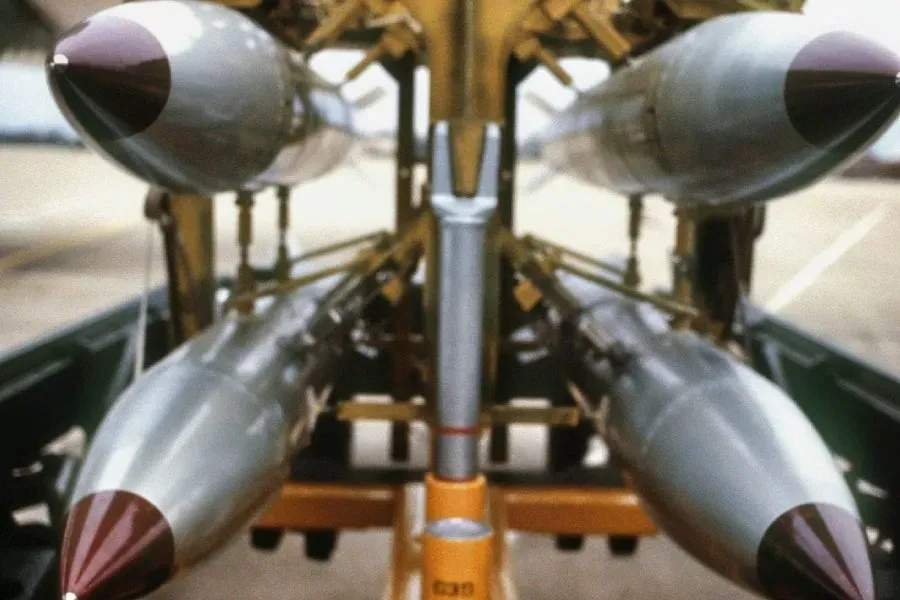
“Türkiye’s NATO membership, strong military and growing defense industry potential, Saudi Arabia’s economic and strategic weight in the Gulf, and Pakistan’s powerful military and nuclear deterrence capability — closer cooperation among these three countries under one umbrella creates a new strategic landscape,” he said.
According to the expert, the issue is not limited to a military alliance:
“Energy routes, maritime trade, intelligence, defense technologies, counterterrorism and crisis management are also natural extensions of this cooperation. Therefore, it would be incomplete to view the Mecca Agreement solely as a defense document. The parties to the Mecca Agreement have explicitly stated that it was not established against any country. Therefore, it would be incorrect to directly define the agreement as an ‘anti-Iran alliance.’
“Given Iran’s influence in the region, its proxies, developments in the Gulf, the Strait of Hormuz and risks emanating from Yemen, coordination between Türkiye, Saudi Arabia and Pakistan will inevitably affect Tehran’s calculations. For Türkiye, the Mecca Agreement creates new links across a broad geography stretching from the Gulf to South Asia.
“While maintaining its commitments within NATO, Ankara is also deepening its relations with regional countries in defense and diplomacy. This enables Türkiye to establish diplomatic and strategic ties with various actors. Considering the potential gained by Türkiye’s defense industry in recent years, Türkiye’s role may not be limited to providing military personnel or platforms. Unmanned systems, air defense technologies, electronic warfare, intelligence and joint defense production could become key areas of cooperation in the coming period.
“For Riyadh, there is another dimension to the picture. For many years, Gulf countries have largely relied on the military capabilities of external actors for their defense. Saudi Arabia is now developing a more institutional partnership with two significant military powers — Türkiye and Pakistan. One of the main outcomes of this could be increased deterrence capability. Preventing war requires not only the presence of weapons systems, but also demonstrating that they can be used jointly with the other side when necessary.
“Therefore, building joint capabilities will be crucial to the future of the Mecca Agreement. Pakistan’s position within the agreement is also particularly significant. Pakistan, which has historically maintained strong relations with Türkiye, also has long-standing military ties with Saudi Arabia. Thus, the Mecca Agreement could become a platform for strengthening the strategic link between the Middle East and South Asia.
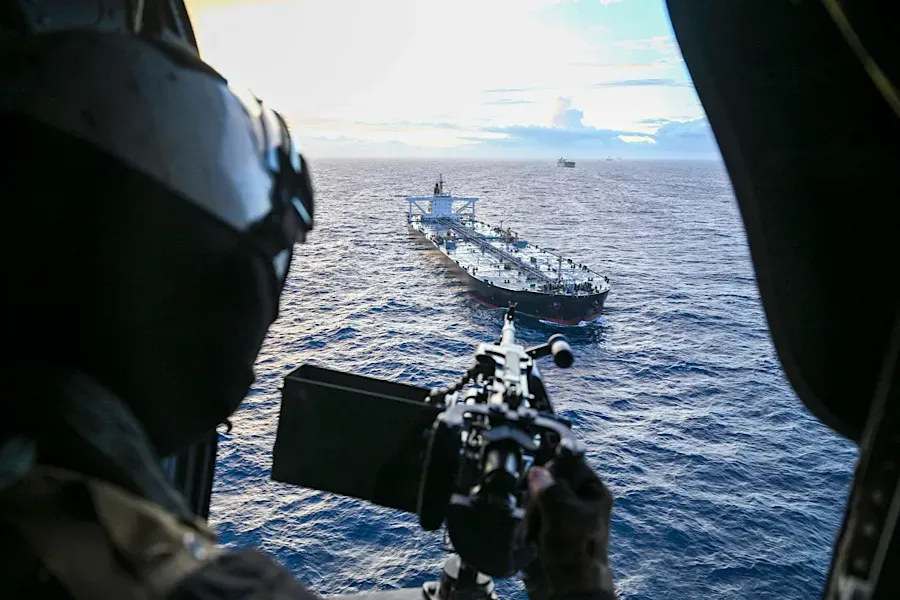
“This situation could affect not only the calculations of the three countries but also those concerning the Gulf, South Asia, the Red Sea and energy corridors. The power struggle in the Middle East can no longer be interpreted solely through land borders. Critical arteries of the global economy run through this geography.
“Therefore, the impact of coordination between Türkiye, Saudi Arabia and Pakistan on maritime security and energy supplies will become increasingly apparent over time. The agreement signed in Mecca is being institutionalized in Istanbul, strengthened in Riyadh and appears poised to become a significant element in the balance of power in the Middle East in the coming period.”
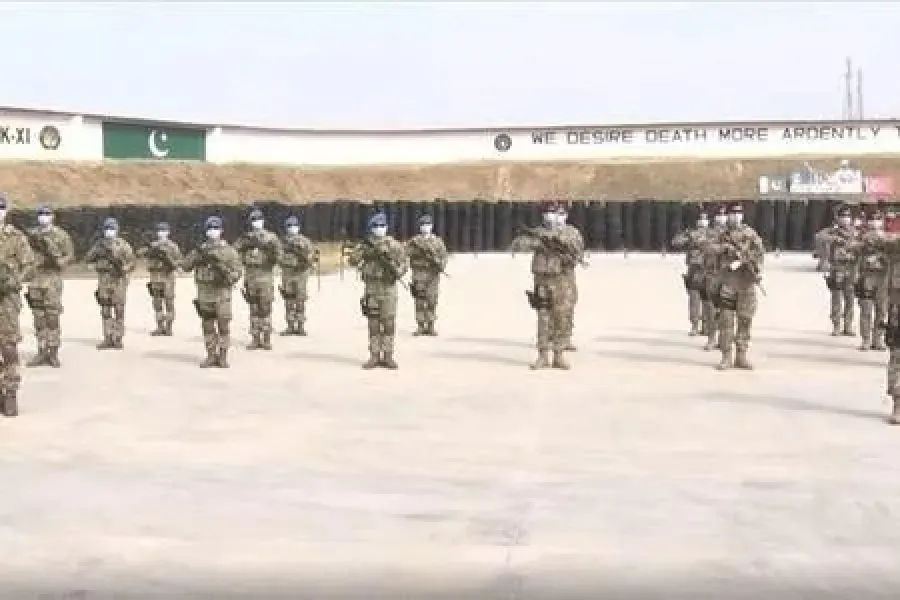
It should be noted that Türkiye and Pakistan have decided to deploy troops to Saudi Arabia under the Mecca Agreement. Saudi Arabia is currently facing attacks by the Houthis.