
They took away her voice, covered her face, and now erased her name: How women are being erased in Afghanistan...
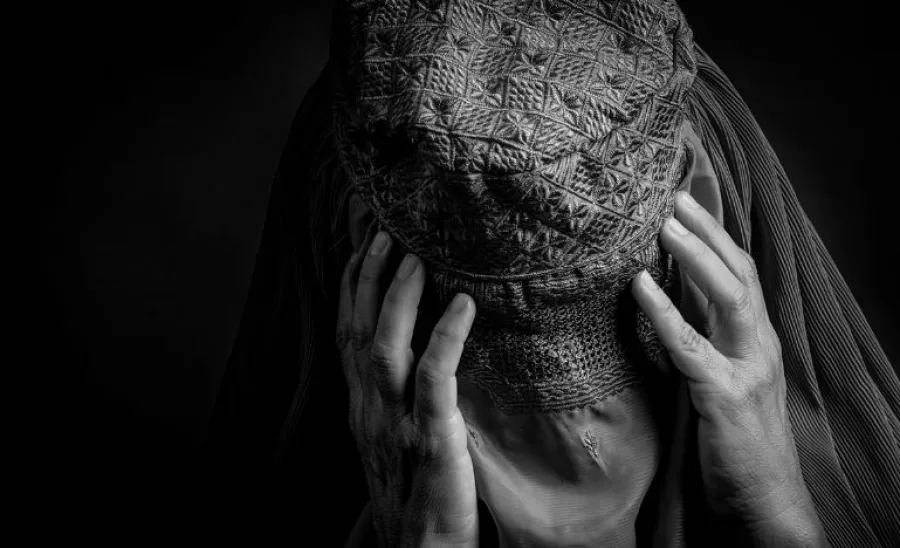
A shocking report has once again rocked the world in recent days. Taliban officials in Afghanistan’s northern Balkh Province have instructed hospitals, clinics and government offices to remove women’s names from documents, medical records and prescriptions. They have been told to replace them with the word “Bibi”.
“Bibi” means grandmother or elderly woman in Dari and Pashto. In some cases, women have reportedly also been addressed with derogatory terms such as “goat” or “cow”. According to a joint investigation by Zan Times and The Guardian, the directive was issued as early as May 2026, but the reports gained widespread attention in late November. For now, the measure is limited to Balkh Province, but human rights activists warn that the Taliban have previously extended local restrictions across the entire country.
Removing a person’s name amounts to denying their recognition as an individual. According to some sources, women are already being identified as “someone’s wife” or “someone’s daughter”. In fact, Afghanistan has a long-standing tradition of not including women’s names on wedding invitations or gravestones. Now, this practice is being turned into official policy.
What restrictions has the Taliban imposed since 2021?
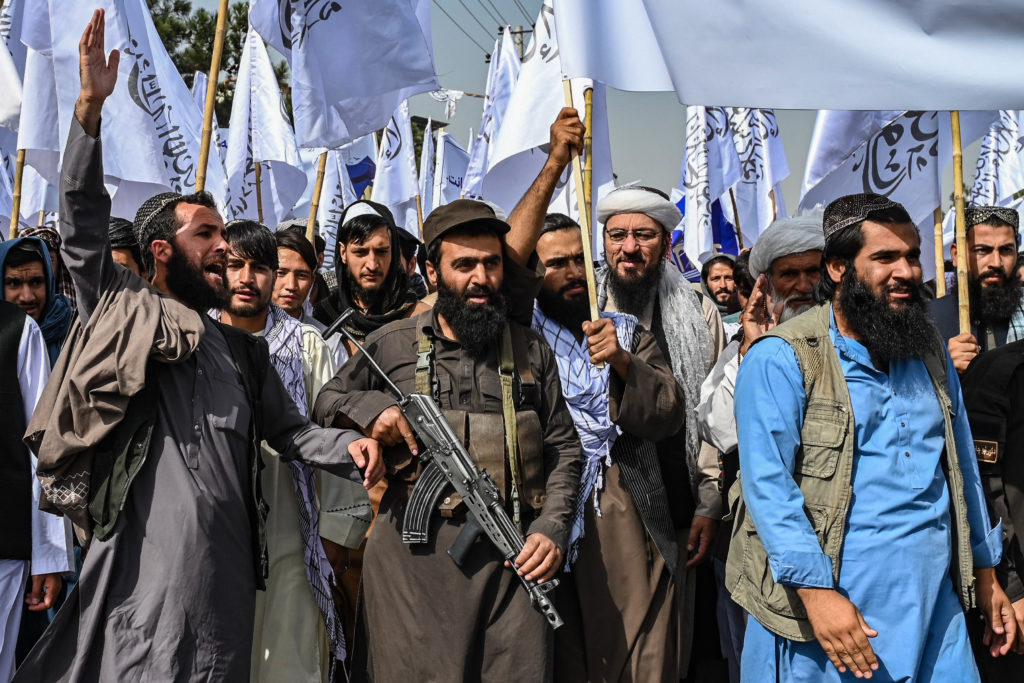
Since returning to power in August 2021, the Taliban has issued more than a hundred decrees and directives targeting women. According to estimates by the Femena organisation, the figure has exceeded 144. These measures have been introduced gradually, step by step, and each time presented as “temporary” or necessary “for security reasons”. Yet none of them has been reversed.
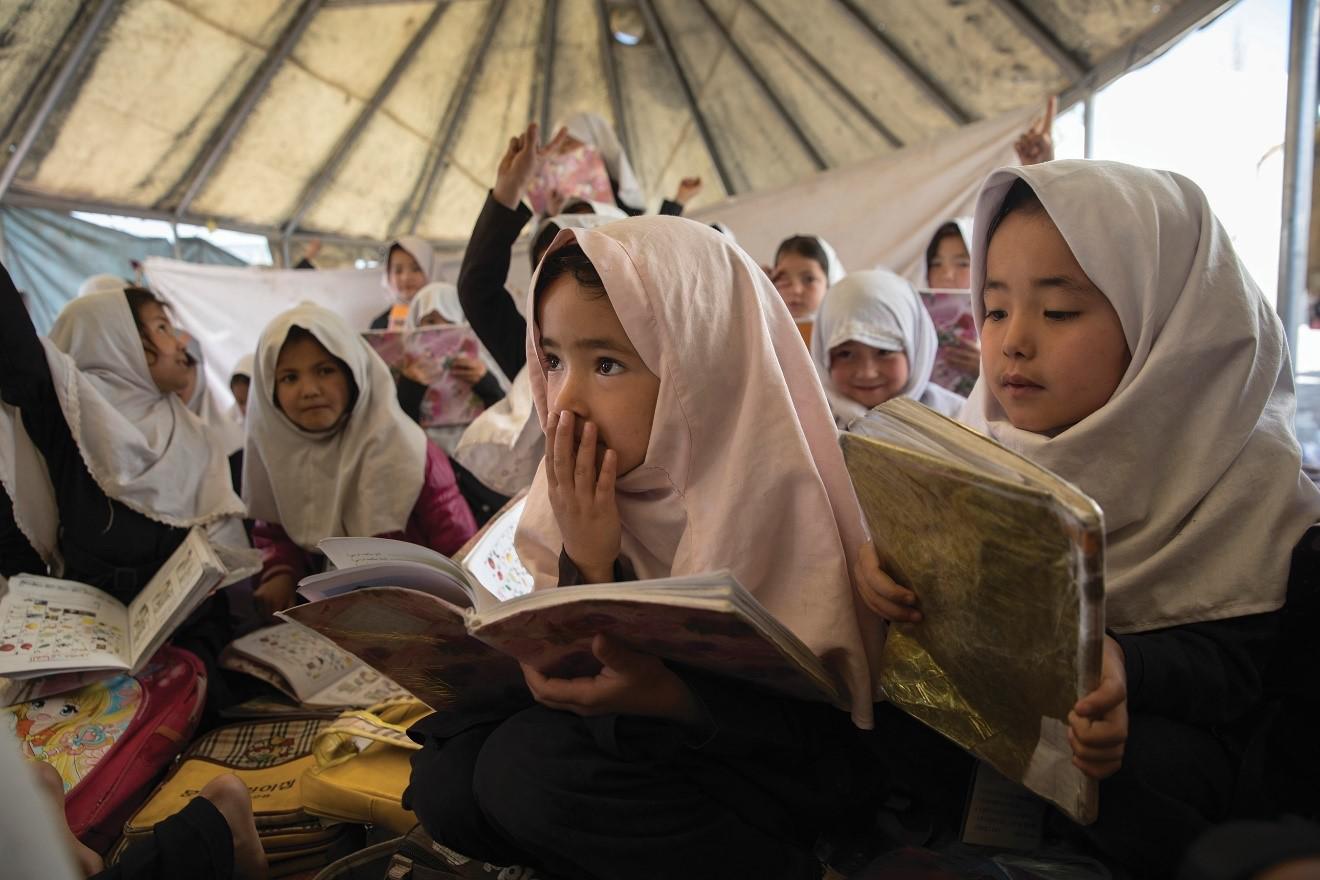
In September 2021, girls were barred from attending secondary school beyond the sixth grade. In December 2022, universities were closed to women. At the end of 2024, education in medicine, midwifery and nursing was also banned. Today, Afghanistan is the only country in the world where girls over the age of 12 are not allowed to attend school. An estimated 1.4 million girls have been deprived of secondary education.
Women were banned from working in government offices, banks, NGOs and UN agencies. In 2023, beauty salons were shut down, leaving approximately 60,000 women without their last source of income. As a result, women's participation in the labour market declined sharply.
Women cannot travel long distances without a mahram, or close male relative. They are barred from parks, gyms and swimming pools. Since 2022, covering their faces fully with a burqa or niqab has been compulsory. In 2024, even women's voices being heard in public was restricted. Restrictions have also been imposed on male doctors treating female patients. Meanwhile, the number of female healthcare workers is declining because the training of new professionals has been halted. This poses a serious danger, particularly in childbirth and emergency situations.
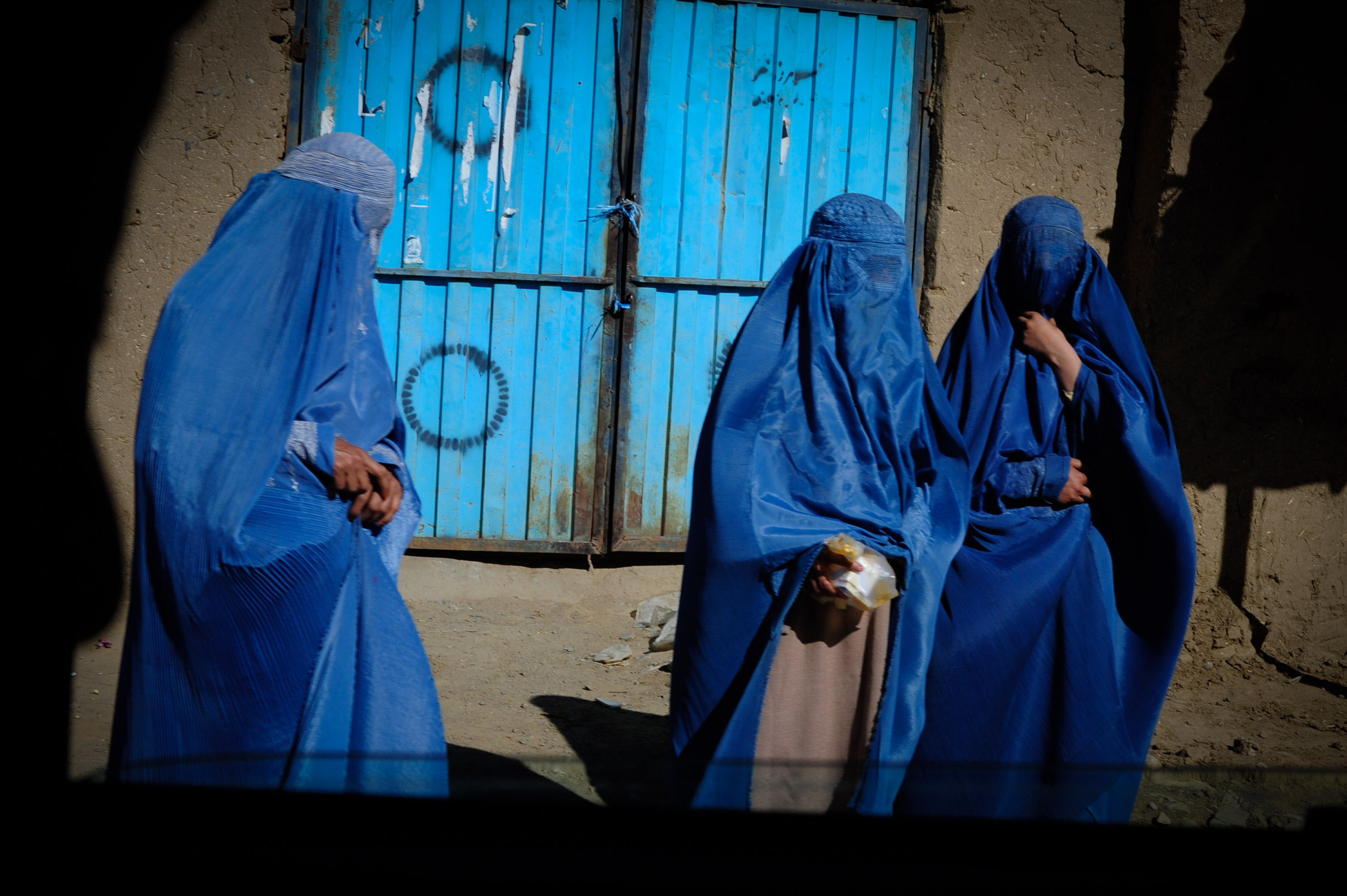
This policy is already being described as “gender apartheid”. The UN and numerous international organisations use this term to characterise the situation. Women are being forced to stay at home, remain silent and “not be seen”.
Everyday life is difficult. Many women face depression, anxiety and hopelessness. Underground schools and online lessons exist, but they are risky and do not reach everyone. Family incomes have fallen and poverty has deepened. Women even need to be accompanied by a male relative to obtain documents. The healthcare system, meanwhile, is increasingly losing its female workforce. In some provinces, it has become practically impossible for male doctors to treat women.
Women in Afghanistan are being systematically erased from society.
What was life like before?
Afghanistan was not always like this. There were periods of progress beginning in the early 20th century.
Between 1919 and 1929, King Amanullah Khan and his wife, Queen Soraya, introduced modernisation reforms. The first girls’ schools were opened, forced marriages were restricted and women were granted certain rights. Soraya appeared in public without a veil and founded a women's magazine. These reforms faced resistance from certain circles, and Amanullah was eventually forced to abdicate, but the seeds of change had been planted.

Later, particularly during the reign of King Zahir Shah (1933–1973) and in the 1960s and 1970s, women in cities attended universities and worked as teachers, doctors and journalists; some even became members of parliament. In the late 1970s and 1980s, under the Soviet-backed government, girls’ education expanded further, and a large proportion of teachers were women. Women actively participated in public life in Kabul and other major cities.

The civil war among the mujahideen between 1992 and 1996, followed by the first Taliban rule from 1996 to 2001, virtually wiped out these achievements. Girls were banned from education and women were prohibited from working or even moving freely in the streets. After 2001, with international support, schools and universities reopened, women returned to work and took positions in parliament and government institutions. Between 2001 and 2021, millions of girls received an education and thousands of women entered professions.
Now, since 2021, many of these achievements have been erased. The “Bibi” directive in Balkh is one of the most personal manifestations of this erasure. A woman whose name has been taken away is no longer even present in official documents. She is merely “someone’s wife” or simply “Bibi”...
Giymat Mahir