
Is Tehran making inroads into the post-Soviet space? Moscow gives green light to CIS initiative
Efforts to expand the geographical and political reach of the Commonwealth of Independent States (CIS) have opened the way for new geopolitical discussions in the region.
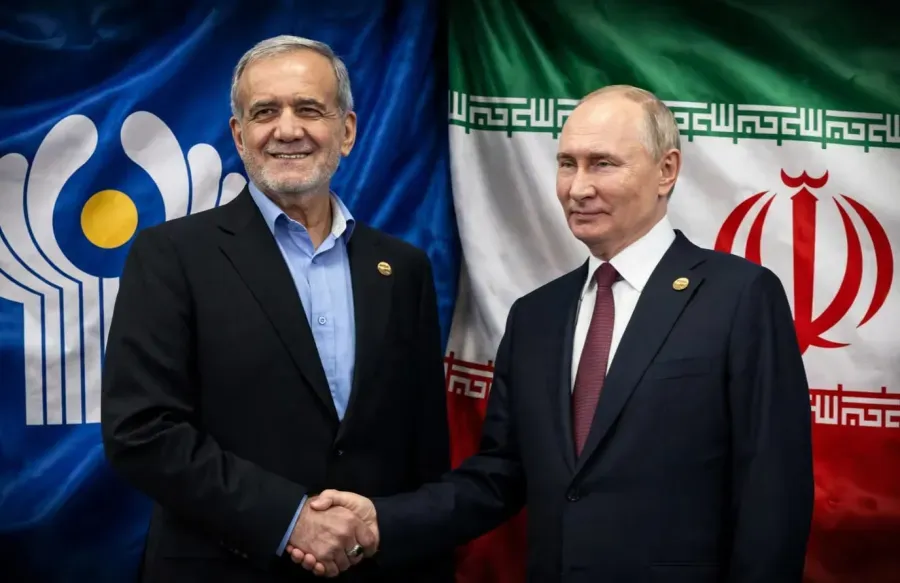
CIS Secretary-General Sergey Lebedev’s announcement that the possibility of granting Tehran the status of the first participant in the organisation’s new cooperation format, “CIS+”, is under consideration, followed by Moscow’s endorsement of Iran’s initiative, points to the seriousness of the process. If this aspiration, voiced by Iranian President Masoud Pezeshkian at the Avaza summit, materialises, Tehran will become the first external player to integrate into a platform that brings together the post-Soviet space.
But what does Iran’s accession to this format promise for the CIS, given that the country is under Western sanctions and has its own distinct interests in the region?
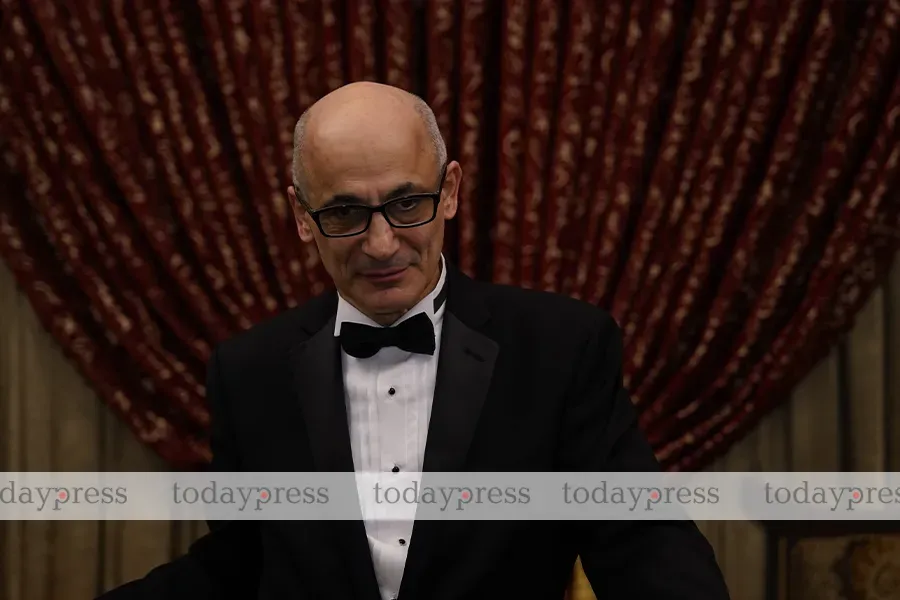
Commenting on the issue to TodayPress TV, political analyst Chingiz Shahbazi said that Iran’s participation in the Commonwealth of Independent States’ new cooperation format could be a significant development in terms of expanding the organisation’s geographical and political influence. However, he noted that the implications would extend beyond economic cooperation:

“Iran’s participation in the CIS’s new cooperation format could be a significant development in terms of expanding the organisation’s geographical and political influence. However, the implications of this move will not be limited to economic cooperation. Iran’s relations with the West, Russia’s regional policy and the differing interests of CIS members will also affect the process.
“The key issue here is not Iran becoming a full-fledged member of the CIS, but rather its participation in the organisation’s new cooperation format. The granting of this status should not be interpreted as meaning that Iran will automatically become involved in the CIS’s decision-making mechanisms. Sergey Lebedev’s statement that Iran could become the first ‘CIS+’ participant also carries implications for discussions about the possible representation of Mongolia and Serbia in this format. Iran’s representation on this platform, however, is attracting particular attention because its opportunities for cooperation in energy, trade, investment and transport are of interest to the member states.
“Iran is represented in the Shanghai Cooperation Organisation (SCO) and BRICS, and has a free trade agreement with the Eurasian Economic Union. It is precisely in this context that the political significance of Iran joining the CIS as its first partner comes to the fore. Iranian President Masoud Pezeshkian has made statements on this matter. He has put forward proposals involving alternative payment mechanisms, barter and energy cooperation. In fact, the ‘CIS+’ initiative was proposed by President Pezeshkian. He considers it necessary for further developing regional ties and expanding cooperation. The Iranian president’s main message is that countries in the region should focus less on competing with one another and more on strengthening their connections.
“All this indicates that Iran’s participation is being presented not so much as an expansion of the CIS’s existing membership, but rather as a new mechanism for increasing the organisation’s opportunities to cooperate with other countries. Iran’s own official position is consistent with this approach.”
Iran’s existing integration platforms
| Organization / Format | Status | Note |
|---|---|---|
| Shanghai Cooperation Organisation (SCO) | Full member | Already exists |
| BRICS | Full member | Already exists |
| Eurasian Economic Union (EAEU) | Free trade agreement | In force |
| CIS+ | Potential first participant | Under discussion |
Chingiz Shahbazi emphasises that Iran’s participation in the “CIS+” format could create new opportunities for regional cooperation in transport, energy and trade:
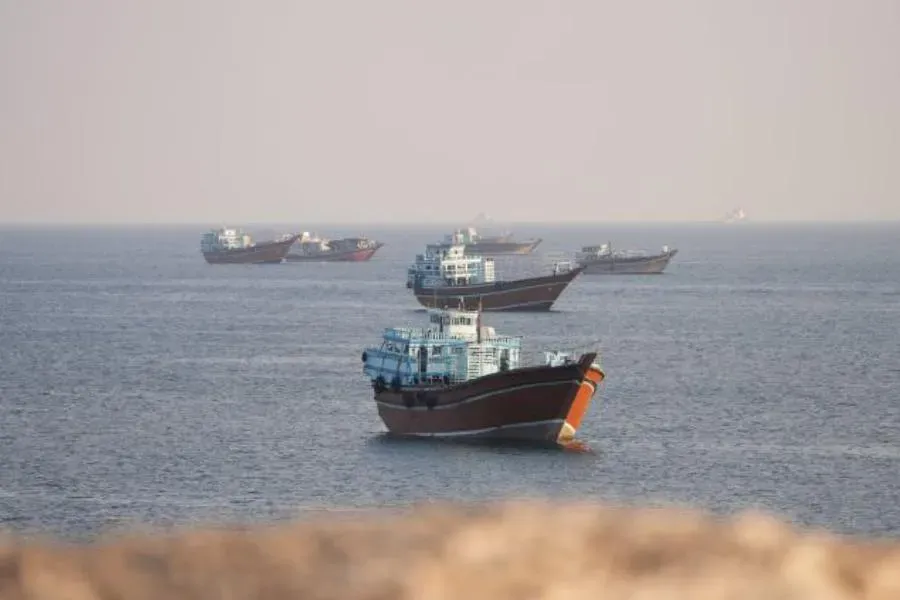
“Iran could provide CIS countries with additional access to the Persian Gulf and the Sea of Oman. The development of the North–South Transport Corridor could further strengthen trade ties between Russia, Azerbaijan, Iran and Central Asian countries. For Azerbaijan in particular, this would mean increased transit revenues. It is also highly significant in terms of making more active use of railway and port infrastructure.
“Iran has substantial oil and gas reserves. Cooperation with CIS countries in energy production, electricity transmission and gas trade could help create new markets. The unified energy network proposed by Pezeshkian envisages linking the energy resources of countries in the region.
“Furthermore, closer economic ties between Iran and CIS countries could open up new opportunities for cooperation in food, industrial goods, construction materials and technology. Iran’s existing free trade agreement with the Eurasian Economic Union provides a certain economic basis for such cooperation.
“Iran’s participation could also broaden discussions on the Caspian Sea’s environmental problems, water resources, tourism and regional security. This is important for Azerbaijan as well, particularly in terms of reconciling economic and environmental interests in the Caspian Sea.”
The expert believes that Iran’s accession to the “CIS+” format could primarily serve to expand economic and transport cooperation:
“Of course, all this gives reason to believe that Iran’s accession to the ‘CIS+’ format would be a positive step, primarily in terms of economic and transport cooperation. It would further develop trade ties between CIS countries in the southern direction and increase the Caspian region’s transit importance. New cooperation opportunities would help create additional prospects in the energy sector as well as in other areas.”
Giymat Mahir