
How can Baku rescue the OSCE, held hostage by major powers?
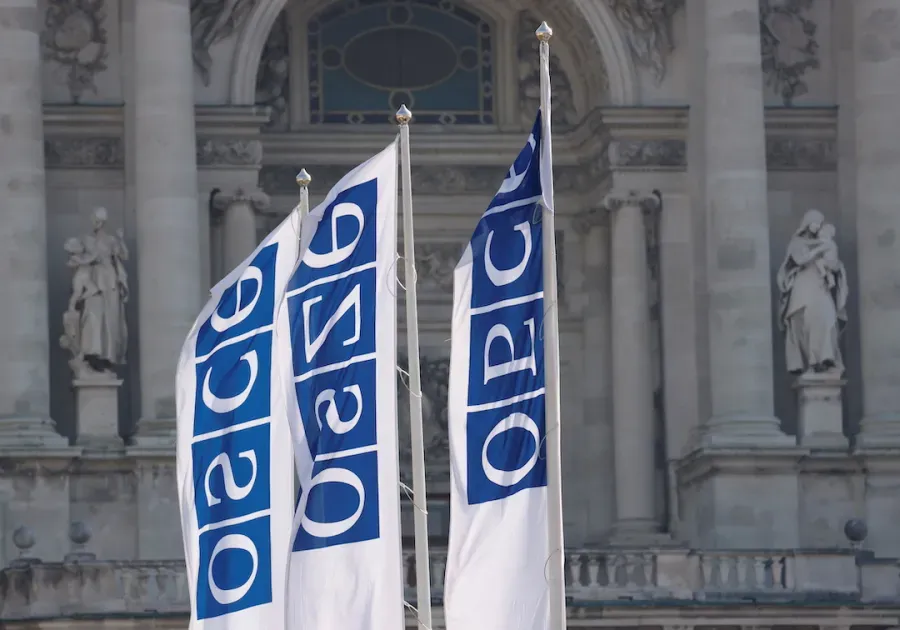
At a time when the global security architecture is being put to the test, the Organization for Security and Co-operation in Europe (OSCE) is experiencing the deepest institutional crisis in its history. Once a body that kept the Karabakh conflict frozen for 30 years and ultimately failed in its mediation mission, the organisation is now unable to move beyond the role of a passive observer amid the Ukraine crisis.
Now, an interesting scenario is being discussed behind the scenes in political circles and among experts: can official Baku, which managed to turn the Non-Aligned Movement into one of the global centres of influence, bring its successful diplomatic model to the OSCE?
Commenting on the issue to TodayPress TV, political analyst Anar Isayev believes that Azerbaijan can also apply the diplomatic experience and proactive approach it gained during its chairmanship of the Non-Aligned Movement within the OSCE. However, this would require adapting its previous successful experience to the OSCE’s complex political realities rather than simply replicating it:
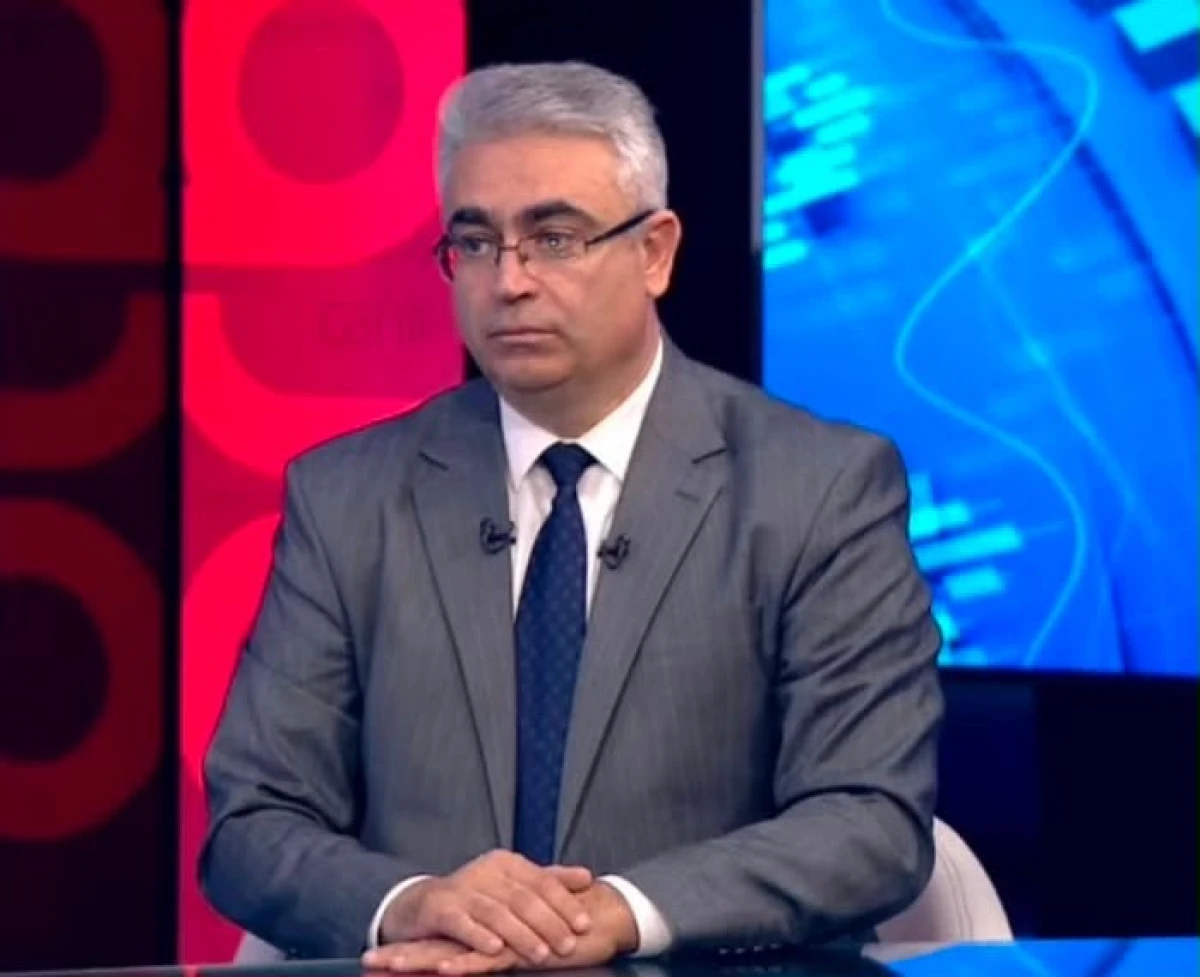
“The political and institutional capabilities of the Non-Aligned Movement and the OSCE are not the same. Therefore, Baku’s main task is not to replicate its previous successful experience as it is, but to adapt it to the OSCE’s complex political realities.
“The OSCE’s main problem is a crisis of trust and decision-making. The failure of the Minsk Group to achieve results over approximately 30 years in efforts to resolve the Karabakh conflict dealt a serious blow to the organisation’s mediation capabilities. The war in Ukraine once again demonstrated just how weakened the OSCE’s security mechanisms and opportunities for dialogue among major powers have become.
“One point needs to be particularly emphasised here: it would be incorrect to explain the OSCE’s inactivity solely by its institutional weaknesses. The main problem is the deepening political divisions among member states, the difficulty of reaching decisions under the consensus principle, and the use of the organisation by major powers to pursue their own geopolitical interests.”
The analyst believes that Azerbaijan’s experience in the Non-Aligned Movement could also serve, to a certain extent, as a model for the OSCE:
“During its 2019–2023 chairmanship of the Non-Aligned Movement, Azerbaijan demonstrated considerable activity in raising the organisation’s international standing, strengthening solidarity among member states and shaping common positions on global challenges. In particular, promoting international cooperation during the pandemic, bringing the issue of equitable vaccine distribution to the forefront and defending the interests of developing countries demonstrated Azerbaijan’s diplomatic initiative.
“This experience can also be used within the OSCE. To this end, Baku could prioritise several areas, the most important of which is the restoration of diplomatic dialogue. Against the backdrop of escalating confrontation between Russia and the West, it could contribute to preserving channels of communication within the OSCE and fostering an atmosphere of trust.
“Another issue is directing the organisation’s activities towards practical results. It would be more appropriate to keep such issues as security, the inviolability of borders, energy security, transport communications, the threat posed by landmines and regional cooperation on the agenda.
| No. | Direction | Main Goal / Essence | Exemplary Topics / Activities |
|---|---|---|---|
| 1 | Restoration of diplomatic dialogue | Preserving communication channels and creating an atmosphere of trust amid the deepening Russia–West confrontation | Activating dialogue platforms within the OSCE |
| 2 | Focus on practical results | Directing the organization’s activities toward concrete and measurable outcomes | Security, inviolability of borders, energy security, transport communications, mine threat, regional cooperation |
| 3 | Balanced policy | Maintaining a principled position that does not serve the interests of any geopolitical bloc | Defense of sovereignty, territorial integrity, and international law |
“And finally, a balanced policy must be pursued. Azerbaijan should not act in the interests of any geopolitical bloc, but rather uphold the sovereignty and territorial integrity of states and international law.”
Anar Isayev emphasises that the OSCE remains important for Azerbaijan, although expectations regarding the organisation have changed:
“As for the extent to which the OSCE remains important for Azerbaijan today, I believe its significance has not diminished. What has changed is the expectations surrounding it. Previously, Azerbaijan viewed the organisation primarily in the context of resolving the Karabakh conflict and restoring its territorial integrity. The Minsk Group’s inactivity raised legitimate questions about the organisation. Today, following the restoration of Azerbaijan’s territorial integrity and sovereignty, its approach to the OSCE can be shaped within a broader strategic framework.
“For Azerbaijan, the organisation is an important platform for participating in the European security architecture, maintaining diplomatic contacts between East and West, and discussing energy and transport security issues.
“Furthermore, at a time when Azerbaijan’s energy cooperation with Europe is expanding and the strategic importance of the Middle Corridor and regional transport routes is growing, active participation in an organisation with such a broad geographical reach as the OSCE could strengthen Baku’s international standing.
“Azerbaijan should approach the OSCE not as a party waiting for conflict resolution, as it did previously, but as a state that puts forward initiatives on regional and international security, defends its interests and contributes to dialogue.”
The analyst believes that replicating Azerbaijan’s successful experience in the Non-Aligned Movement within the OSCE would require taking more complex geopolitical realities into account:
“However, one point should not be forgotten: Azerbaijan’s success in the Non-Aligned Movement was linked to the political momentum it generated during its chairmanship. In the OSCE, achieving results will require taking more complex geopolitical contradictions into account.

Baku’s main objective should be to help the OSCE move beyond its passive observer role and once again become a genuine platform for dialogue and security. Azerbaijan has the diplomatic potential and considerable international experience to contribute to this. Nevertheless, it is impossible to resolve the organisation’s systemic problems single-handedly.
“I would like to emphasise one final point: by participating more actively in the OSCE, Azerbaijan should not only defend its own interests but also keep on the agenda the elimination of double standards in international relations and the consistent application of international law based on uniform principles.”
Giymat Mahir