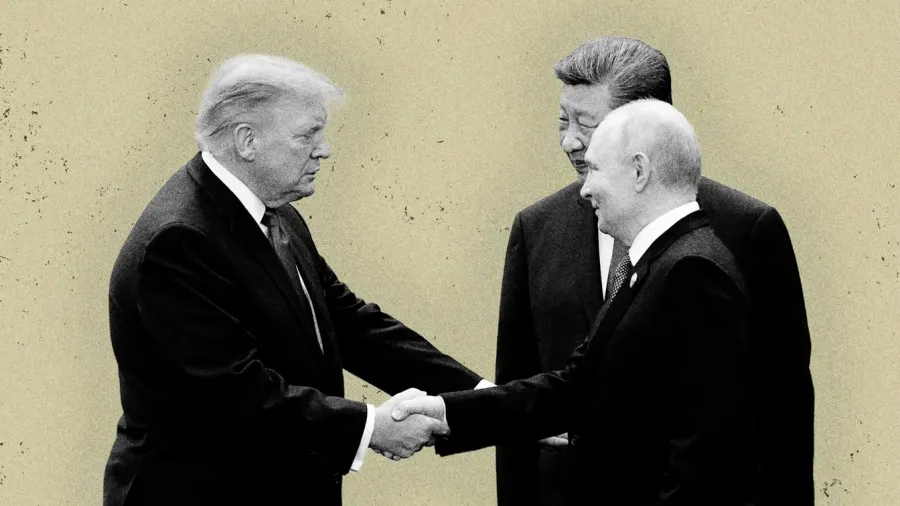
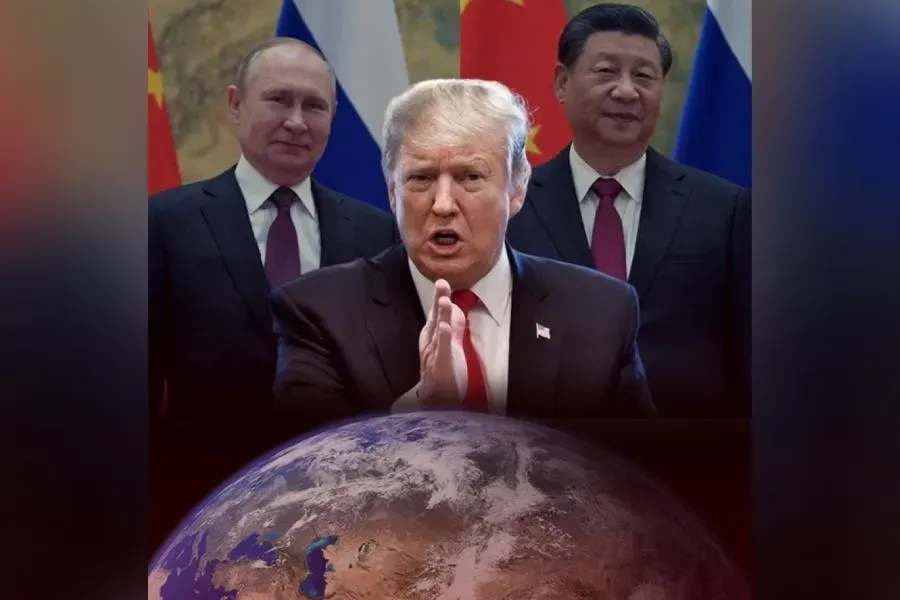
Our neighbour at the table of the world’s three major powers – What happened behind the scenes?
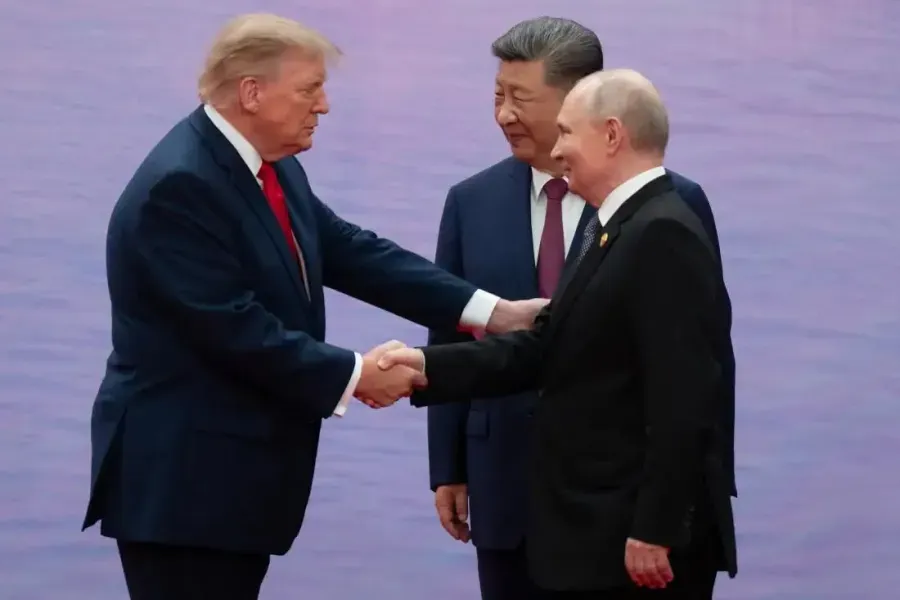
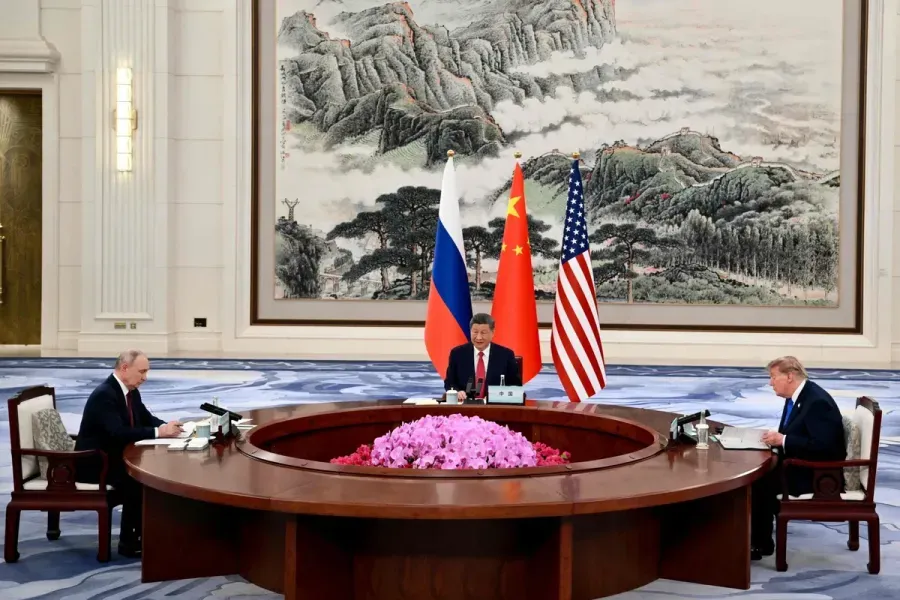
The meeting I wrote about yesterday has now become part of history. Today, at Shenzhen’s Qilin Villa, Xi Jinping, Vladimir Putin and Donald Trump sat down at the same table for the first time as a trio. The meeting began at 16:27 local time and lasted approximately an hour and a half. According to Chinese television, the leaders held talks without their aides.
The initial picture is as follows: no major agreement was signed, and the leaders did not make a joint oral statement to the press. The Kremlin said the atmosphere was good and that a joint declaration would be released. As I write these lines, however, the text has not yet been made public.
The real significance of this meeting lies less in the document than in the words spoken. The key is in what each leader said – and what they chose not to say.
XI JINPING: NUCLEAR WEAPONS AND “RED LINES”
The host steered the agenda in the direction he wanted from the very first sentence. Xi described nuclear weapons as a “Sword of Damocles” hanging over humanity and called for their complete prohibition. His most widely quoted statement was: “There can be no winner in a nuclear war, and such a war must never be fought.”
Xi put forward four principles for relations among the three countries: mutual respect, peaceful coexistence, mutually beneficial cooperation and dialogue. He called for abandoning “Cold War mentality” and economic decoupling, and proposed jointly safeguarding the stability of energy supply chains.
The most subtle message concerned “red lines”. Xi called on major powers to respect one another’s sovereignty, political systems and core interests. Taiwan was not mentioned by name, but the message was clear.
DONALD TRUMP: “WE ARE MAKING HISTORY”
Trump opened the meeting in his characteristic style: “We are really making history.” His main message was the importance of dialogue. Trump said that refusing to talk to leaders with whom one has disagreements has never solved any problem. He stressed that the three countries were in a unique position to reduce their nuclear arsenals, while acknowledging that persuading states to give up nuclear weapons would be difficult.
Trump’s most specific remarks concerned Iran. According to him, the United States and China share common interests: energy must be able to pass through the Strait of Hormuz without obstruction, and Iran must not acquire nuclear weapons. Trump also expressed hope that the war in Ukraine would end soon.
VLADIMIR PUTIN: “INTEREST” AND “RESPONSIBILITY”
Putin spoke more cautiously. In his view, the three countries share a common “interest” in resolving the war in Ukraine and a common “responsibility” for global peace and security. He said that, as founding members of the United Nations, the three countries had a duty to strengthen international law. He also put energy and food security on the agenda. A day earlier, speaking at the APEC podium, he had declared that sanctions against Russia were counterproductive.
Before the trilateral meeting, Trump held separate talks with Putin. This was the first face-to-face meeting between the two leaders in more than a year, and Trump called Putin his “friend”. During the Putin-Xi meeting, the two sides described their relations as “unshakeable as a mountain”.
INTERESTING DETAILS
After a Bloomberg correspondent asked a question during the Trump-Xi meeting, Chinese officials did not allow the journalist to attend the trilateral talks. Following the meeting, the leaders did not appear together before the press. Kremlin aide Yuri Ushakov, meanwhile, hinted that the talks would continue, saying: “Tomorrow is another full working day.”
Xi: THE HOST. He set the table and drew the red lines.
Putin: THE RETURN. After years of isolation, he sat at the same table as the United States and China.
Trump: THE SHOWCASE. He secured the historic photograph, but there is no concrete outcome yet.
Overall assessment: Much symbolism, little substance.
MY PREDICTIONS
1. Nuclear issues. The sides will most likely begin expert-level consultations on strategic stability. A genuine arms reduction agreement remains a distant prospect. As China’s arsenal grows, Beijing will not be in a hurry to accept the same restrictions as the United States and Russia.
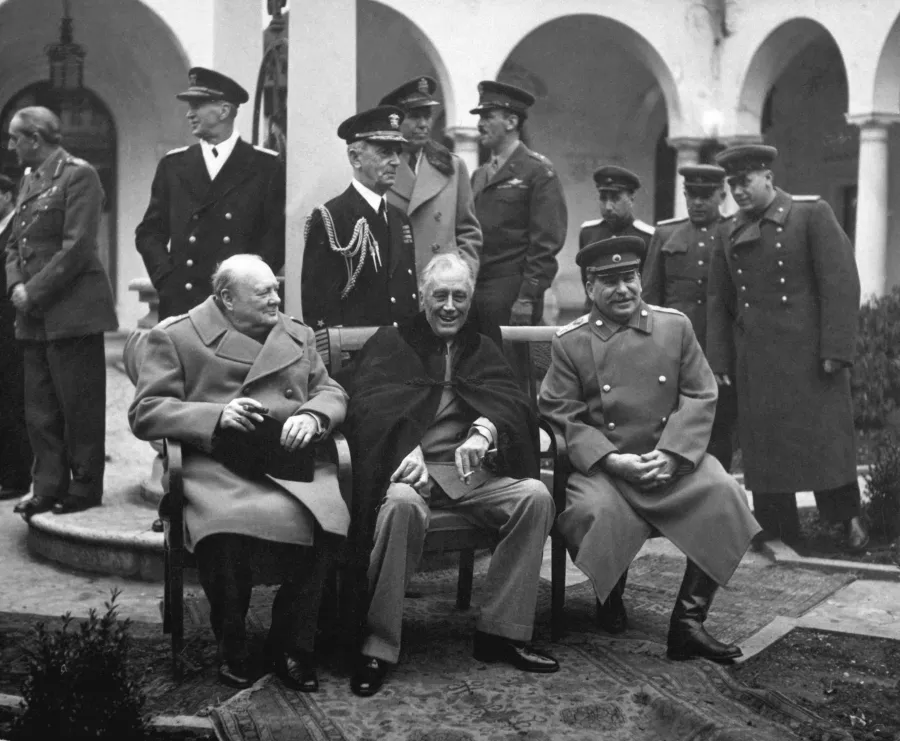
2. Ukraine. Putin’s reference to a “common interest” signals readiness for negotiations, but Kyiv and Europe were not at the table. The fact that the major powers discussed Ukraine as a trio will fuel fears of a “new Yalta” in Europe.
3. Iran and the Strait of Hormuz. The common US-China position indicates that pressure on Tehran could intensify. Energy markets will interpret this as a signal of stability.
4. Trade. The US-China trade truce expires in January. The positive atmosphere in Shenzhen increases the chances of its extension.
FOR AZERBAIJAN
Two issues discussed at the table directly affect us. The first is Iran. A consensus among major powers on our neighbouring country could help manage tensions, while a sharp increase in pressure could create new risks for the region. The second is energy security. Xi and Putin’s decision to put the stability of energy supply chains on the agenda further increases the importance of Caspian energy and the Middle Corridor.
When major powers begin a dialogue, the influence of countries capable of maintaining communication with all three sides increases. Baku’s multi-vector foreign policy offers precisely this opportunity.
My concluding thought: Shenzhen gave the world its first collective photograph of a new order. Xi stands at the centre of that picture.
Who do you think gained the most from this meeting? Share your thoughts in the comments.
Aziz Alibayli