

Abdominal fat may pose a health risk even at a normal weight – Here’s why ?
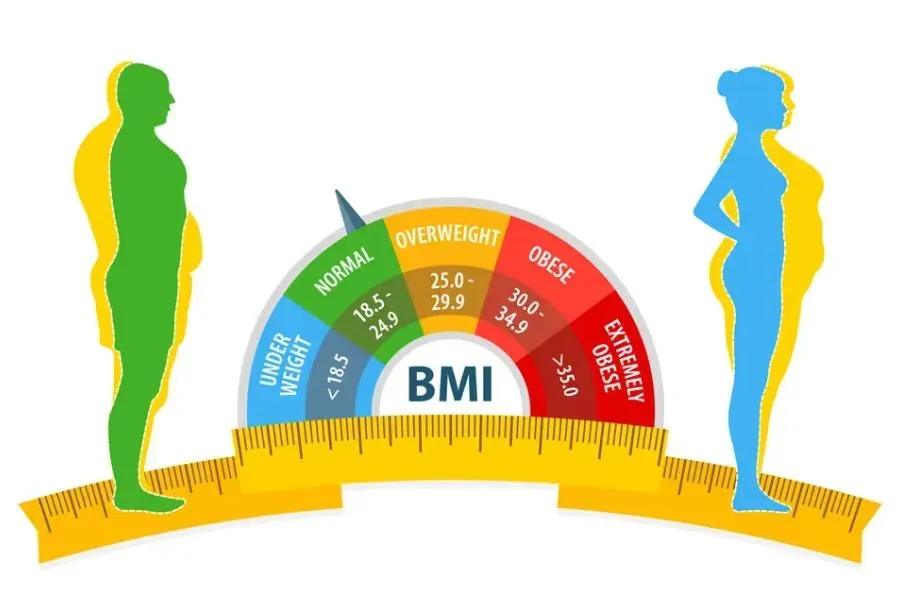
Body mass index (BMI) and waist-to-height ratio are among the key indicators used to assess excess weight, obesity and metabolic disorders. These measurements provide information about body composition and fat distribution. Analysing them together can help identify the risk of type 2 diabetes, cardiovascular disease and other metabolic conditions.
BMI is calculated by dividing a person’s weight in kilograms by the square of their height in metres. According to the World Health Organization’s classification, a BMI below 18.5 indicates underweight, 18.5–24.9 is considered normal weight, 25–29.9 indicates overweight, and 30 or above is classified as obesity in adults. Although useful for an initial assessment, BMI does not directly measure the proportion of fat and muscle in the body.
One of the main limitations of BMI is that it does not show how fat is distributed throughout the body. For example, an athlete with a high muscle mass may have a BMI in the overweight or obese range, without necessarily having excess body fat. At the same time, a person with a normal BMI may still have excessive fat around the abdomen. Therefore, weight and height alone are not enough to provide a complete assessment of metabolic health.
Waist circumference helps estimate the amount of fat accumulated around the abdomen. Visceral fat, which is stored deep inside the abdomen and surrounds internal organs, is considered particularly harmful from a metabolic perspective. It is associated with reduced insulin sensitivity, increased inflammation and changes in blood lipid levels. As a result, the risk of high blood pressure, insulin resistance and cardiovascular disease may increase.
The waist-to-height ratio is another important indicator of metabolic risk. It is calculated by dividing waist circumference by height. A general recommendation is to keep waist circumference below half of one’s height. In other words, a ratio below 0.5 is considered an initial indicator of a lower risk of abdominal obesity. However, this threshold may not apply with the same accuracy to all age and ethnic groups.
To measure waist circumference, a measuring tape should be placed midway between the bottom of the rib cage and the top of the hip bone. The measurement should be taken while standing, with the abdomen relaxed and after breathing out naturally. The tape should not compress the skin. Taking measurements consistently using the same method makes it easier to compare results over time.
Assessing BMI together with waist circumference can also help identify the risk of metabolic syndrome. This condition is characterised by a combination of factors, including abdominal obesity, elevated blood pressure, high blood sugar, increased triglycerides and low levels of high-density lipoprotein (HDL) cholesterol. Having several of these risk factors at the same time increases the likelihood of developing type 2 diabetes and cardiovascular disease.
Abdominal obesity can play an important role in the development of insulin resistance. In this condition, cells no longer respond to insulin as effectively as they should, making it harder to regulate blood glucose levels. The body may compensate by producing more insulin. Over time, if the pancreas becomes less able to produce enough insulin, blood sugar levels can rise and diabetes may develop.
BMI and waist circumference measurements are only part of an individual health assessment. A more accurate evaluation of metabolic risk may also involve checking blood pressure, fasting blood glucose, HbA1c, cholesterol and triglyceride levels. In some cases, a doctor may recommend assessing liver function and other laboratory markers as well.
Maintaining metabolic health requires a balanced diet, regular physical activity, sufficient sleep and weight management. Reducing the consumption of sugary drinks, high-calorie foods and heavily processed products, while choosing more vegetables, fruit, whole grains and fibre-rich foods, can be beneficial. At least 150 minutes of moderate-intensity physical activity per week can also help improve metabolic health markers.
In conclusion, BMI provides an assessment of overall weight status, while waist circumference and waist-to-height ratio help evaluate fat accumulation around the abdomen. Analysing these indicators together is important for detecting metabolic problems early and identifying potential future health risks. However, no single anthropometric measurement is sufficient to diagnose a disease on its own.
Aysel Matlab