
The table at the China meeting: The world receives its first message
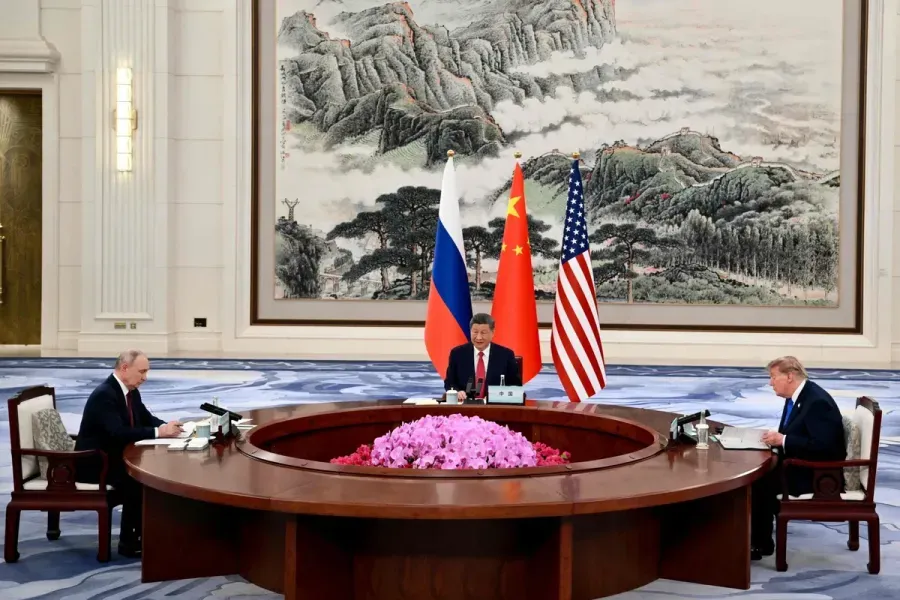
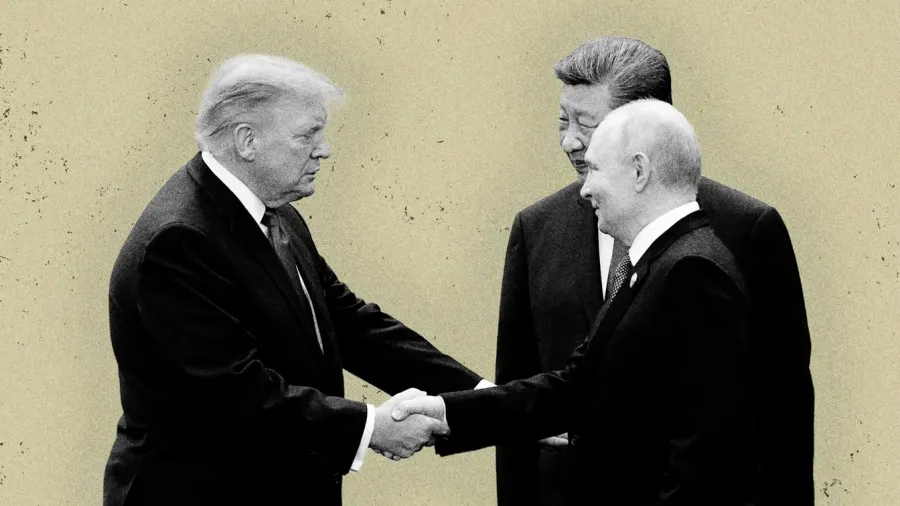
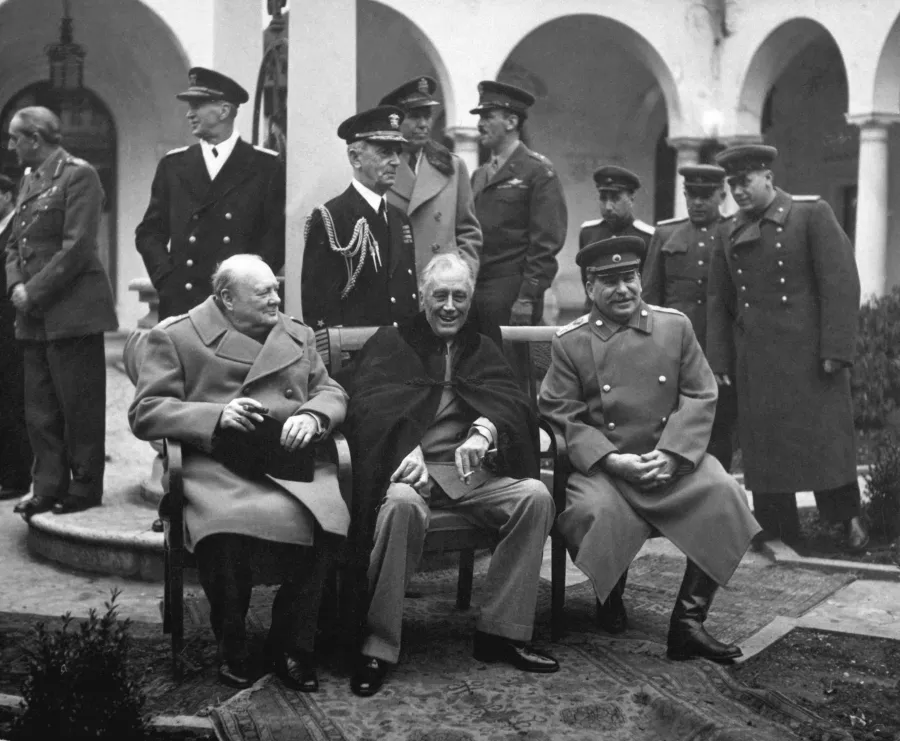
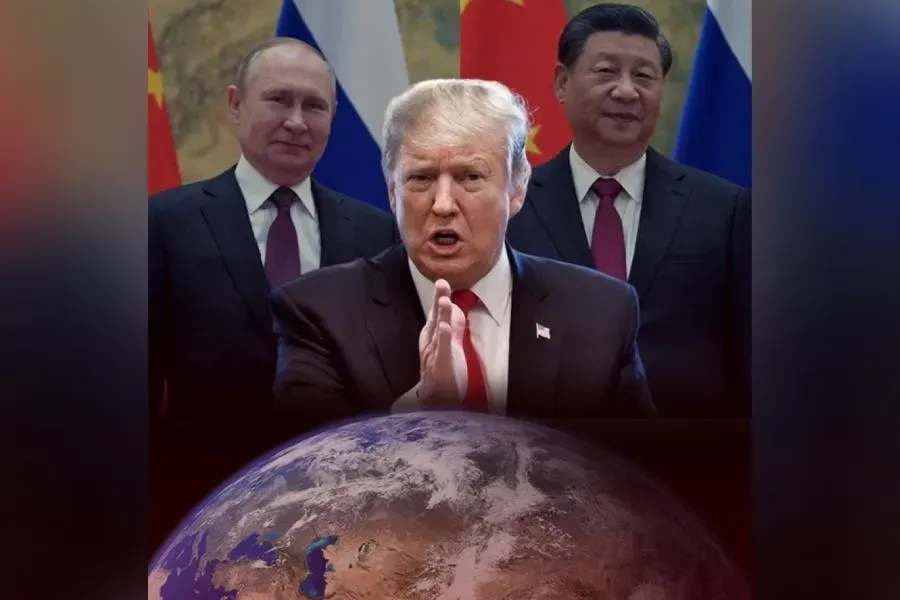
Symbolic visuals suggesting that the “Yalta 1945” order in the international relations system has come to an end and a new “Yalta 2.0” configuration is taking shape have become a major focus of the global political agenda. Unlike the traditional security architecture established by Franklin D. Roosevelt, Joseph Stalin and Winston Churchill in 1945, today's symbolic depiction of the leaders of the United States, Russia and China seated around a round table signals the emergence of entirely new rules of the game for the future of the world.
This historic and symbolic table has already delivered its first serious messages to the international community and global actors: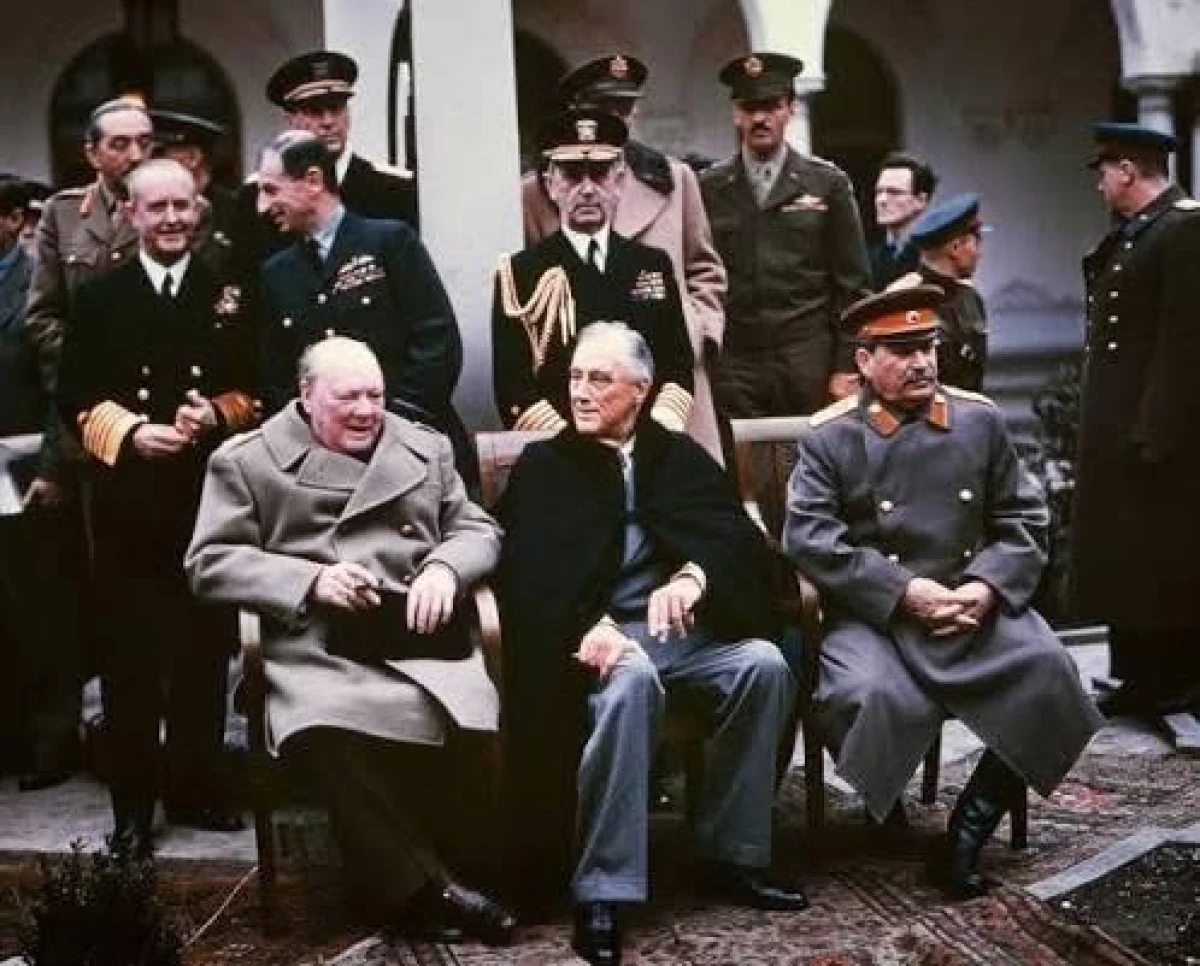
While the US president's central position in the 1945 photograph symbolised unipolar or Western-centred dominance, the choice of a round table in the “Yalta 2.0” depiction conveys a message of equal partnership and the pursuit of compromise. The future of the world should no longer be managed from a single centre, but through a common understanding among global powers.
China's assumption of the position once occupied by the United Kingdom in the old order, alongside the Chinese cultural artwork in the background and the arrangement of flags, indicates that Beijing has become one of the key guarantors of global stability and the future peace architecture.
While Yalta 1.0 divided the world into two camps behind an “Iron Curtain”, paving the way for the Cold War, this new table declares that the “Big Three” bear responsibility for preventing global catastrophes and containing technological and economic crises.
Ismayil Shahli