The world will be divided into three – PREDICTION
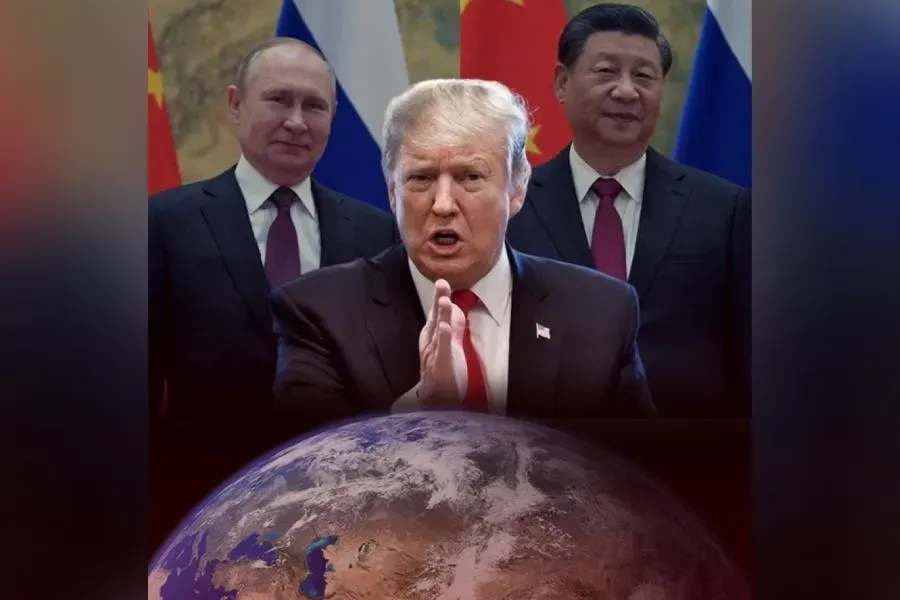
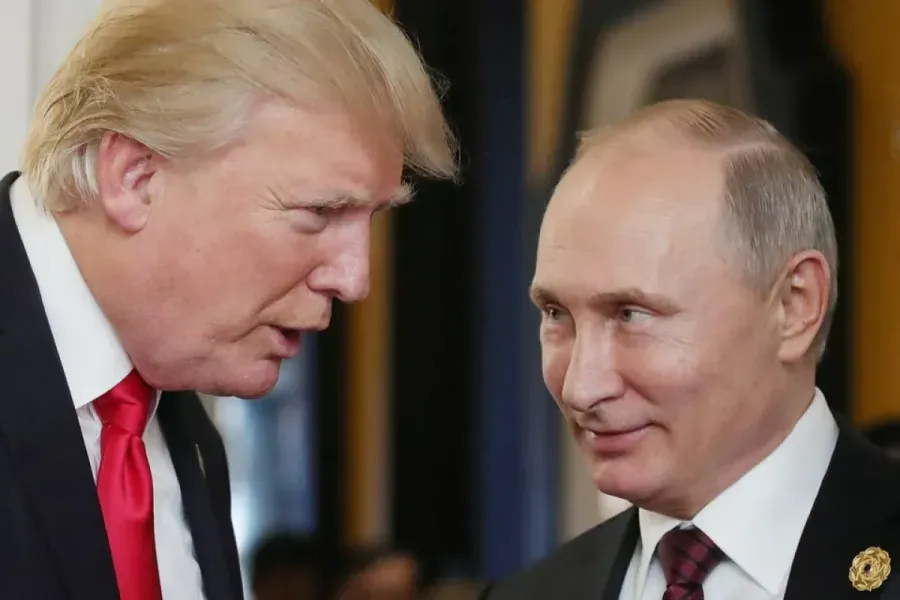
The focus of global politics has shifted this week to Shenzhen, a city in southern China. The APEC summit opened today. Tomorrow, november 19, for the first time in history, Xi Jinping, Vladimir Putin and Donald Trump will sit at the same table. Beijing has referred to the meeting in official documents as the “meeting of the heads of state of China, Russia and the United States”.
The official agenda includes two topics: nuclear arms control and the war surrounding Iran. Ukraine will not be brought to the negotiating table. Washington has already stated that no agreement is expected and that the meeting will mark the first step in a series of long-term discussions.
However, assessing this meeting requires looking beyond diplomatic protocol. Each leader sitting at the table represents the actual power of their country. A look at that power through the numbers paints a clearer picture.
ECONOMY: THE FOUNDATION OF POWER
The United States still has the world’s largest economy. Its GDP exceeds $30 trillion, while the IMF’s forecast for 2026 puts economic growth at 2.3%. Massive investments in artificial intelligence infrastructure have become a key driving force behind the American economy.
China’s GDP stands at approximately $20.7 trillion. Although its economy is about one-third smaller than that of the United States, its growth rate is 4.5% — roughly twice the American figure. Beijing’s weak point is sluggish domestic demand. Its strength, however, lies in industry: Chinese factories account for the largest share of global manufacturing.
Russia clearly lags behind the other two countries economically. Its economy, estimated at around $2.5 trillion, is eight times smaller than China’s and 12 times smaller than that of the United States. Its projected growth rate is around 1%. Although the military economy is keeping the country afloat, it is limiting its development potential.
MILITARY POWER: MONEY AND NUCLEAR WEAPONS
According to SIPRI’s latest report, global military spending reached $2.89 trillion in 2025. More than half of this amount was accounted for by these three countries.
United States: $954 billion. The spending approved by Congress for 2026 exceeds $1 trillion. The United States spends more on its military than the next six countries combined.
China: $336 billion. The country’s military budget has increased by 62% over the past decade.
Russia: $190 billion. This represents 7.5% of GDP. Moscow has directed a heavy burden on its economy towards the battlefield.
The picture is entirely different when it comes to the nuclear balance. Russia has approximately 4,400 nuclear warheads in its military stockpile, while the United States has around 3,700. China’s figure stands at 620. However, SIPRI warns that by the end of this decade, the number of China’s intercontinental missiles could reach levels comparable to those of Russia and the United States.
This also makes Trump’s strategic objective clear. Washington wants to bring Beijing into nuclear negotiations because China has the fastest-growing nuclear arsenal. China, however, has avoided participating in such negotiations for years.
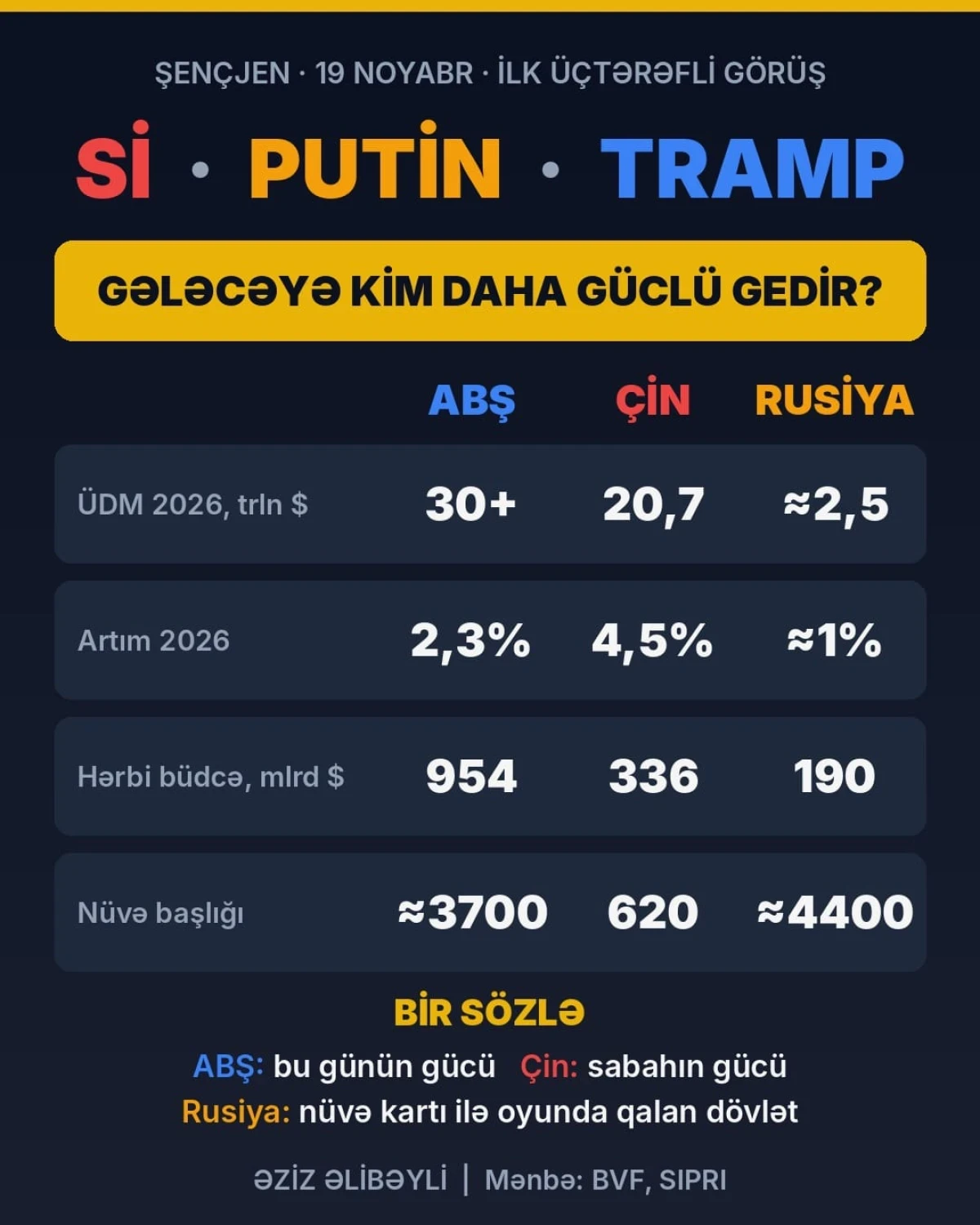
United States – the power of today.
China – the power of tomorrow.
Russia – a country that remains in the game through its nuclear card.
FORECAST
The economic gap between China and the United States will continue to narrow. However, complete parity does not appear realistic within the next decade. China’s economic growth is slowing, while demographic trends are working against the country. In the military sphere, Beijing will remain the rival that concerns Washington most, particularly because of its naval capabilities and missile technologies.
Russia’s situation is more complicated. Its nuclear arsenal preserves its status as a major power, while its economic foundations are weakening. Moscow is becoming increasingly dependent on Beijing. China is already Russia’s number one trading partner. For the Kremlin, the meeting in Shenzhen is an opportunity to present itself as a superpower on an equal footing with Washington and Beijing.
All this leads to one conclusion: China is moving towards the future at the fastest pace, while the United States retains the greatest reserves of power. America will preserve its advantages in technology, finance and military spending for a long time to come. China is gradually narrowing the gap every year through its industrial strength and economic growth rate. Russia, meanwhile, remains a player holding on to its nuclear card, but with increasingly limited economic capabilities.
WHAT DOES THIS MEAN FOR AZERBAIJAN?
The fact that the leaders of three major powers are sitting at the same table is also an important signal for the South Caucasus. When major powers move closer to an agreement, regional players’ room for manoeuvre narrows. When tensions deepen, the importance of factors such as the Middle Corridor, energy and transport routes increases. Baku’s multi-vector foreign policy is a model designed precisely for such periods.
It would be naive to expect major agreements from tomorrow’s meeting. However, the meeting itself is already a message: the world is moving towards a three-pole reality, and the power of these poles is not equal.
Aziz Alibeyli
Political analyst