Yalta 2.0? – A new trio in the shadow of 1945
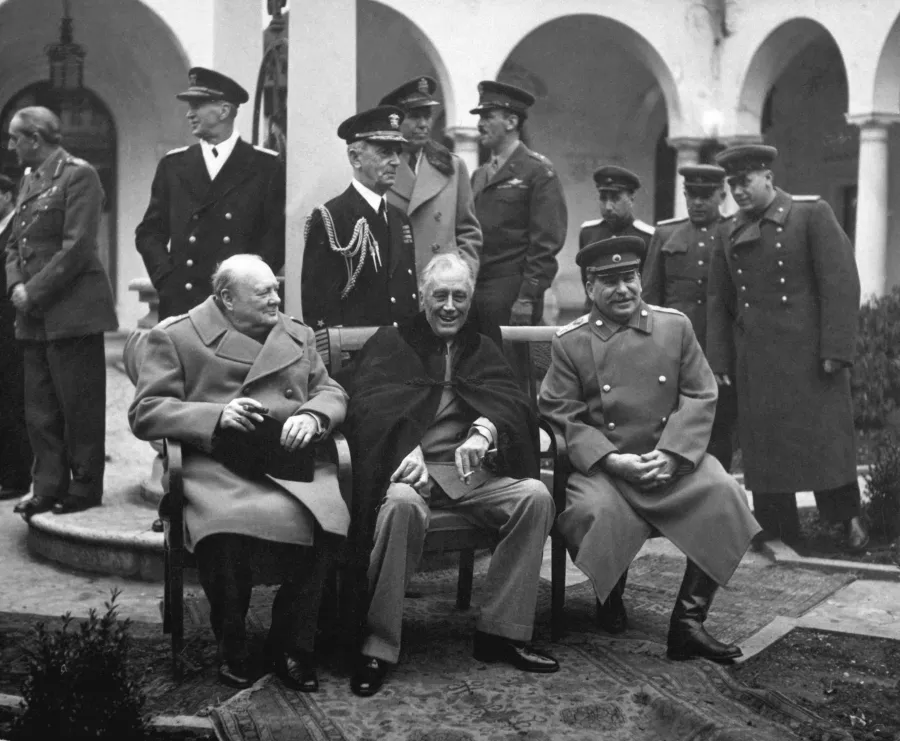
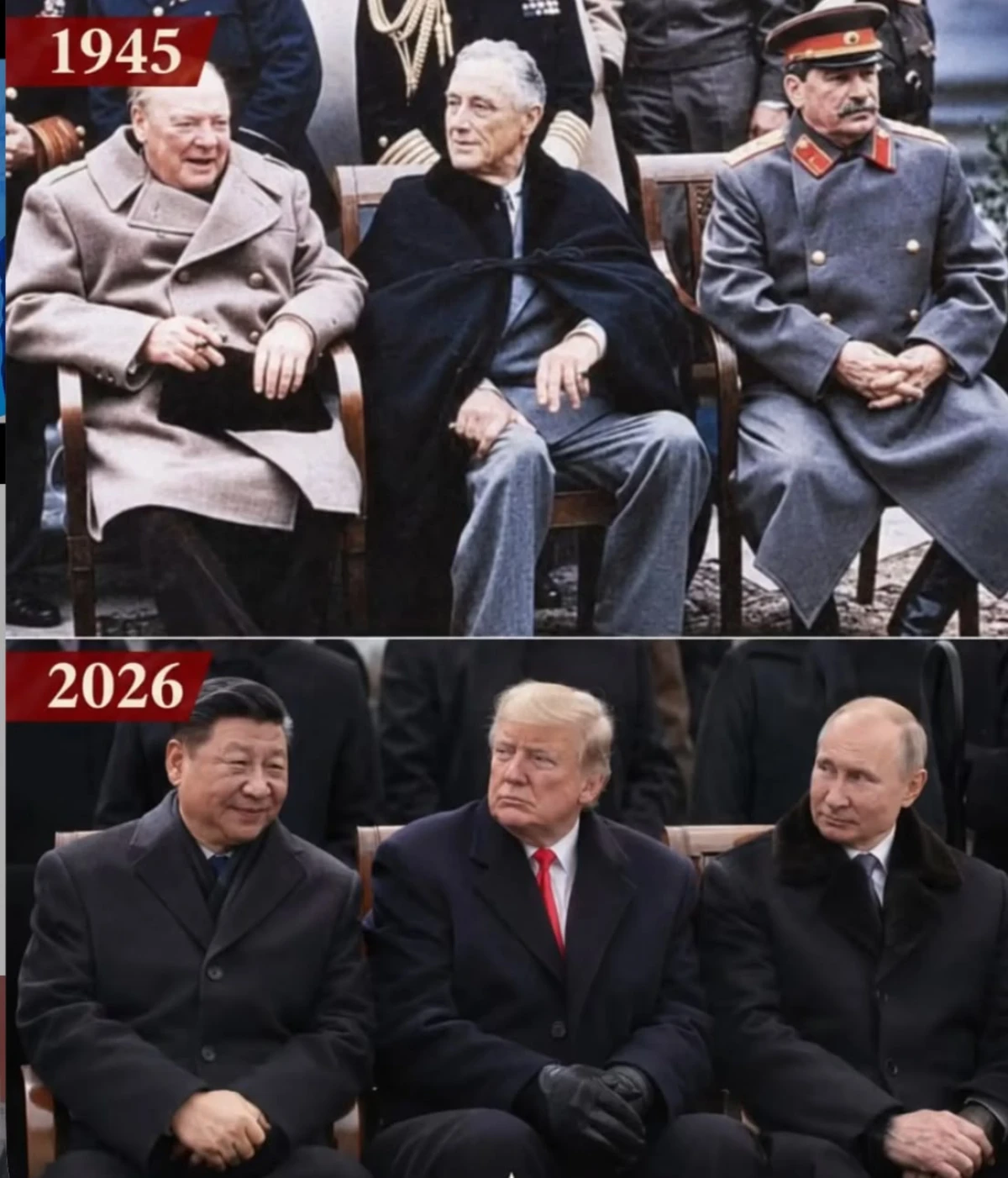
In February 1945, three leaders – Winston Churchill, Franklin Roosevelt and Joseph Stalin – gathered in the Crimean city of Yalta to discuss the future of the world. The Second World War had not yet ended, but the post-war political map, Germany’s future, the fate of Eastern Europe and the foundations of a new international security system were already being determined around that table. The democratic leaders of the West and the Soviet dictator were outlining the contours of the post-war order. The outcome would shape the course of subsequent decades: the Cold War, the Iron Curtain and a bipolar world.
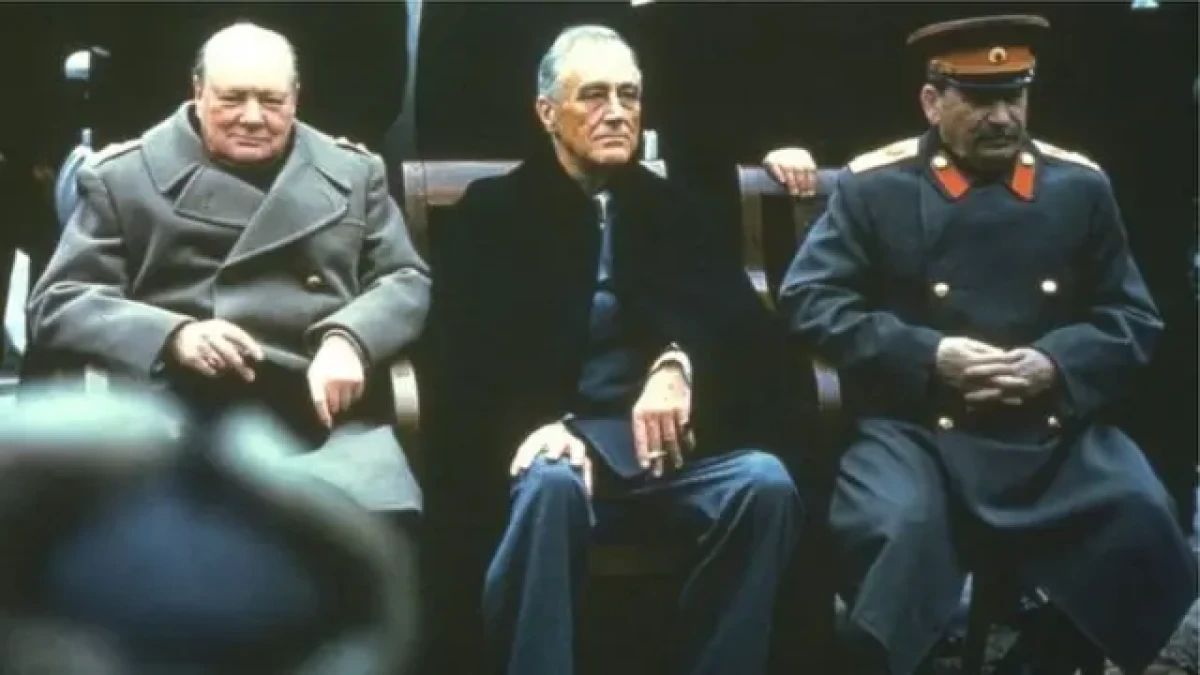
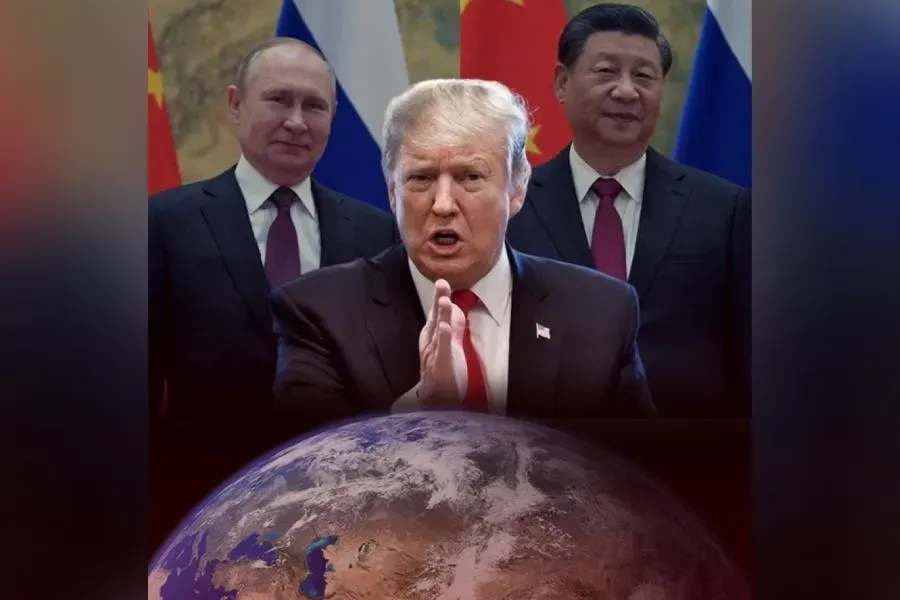
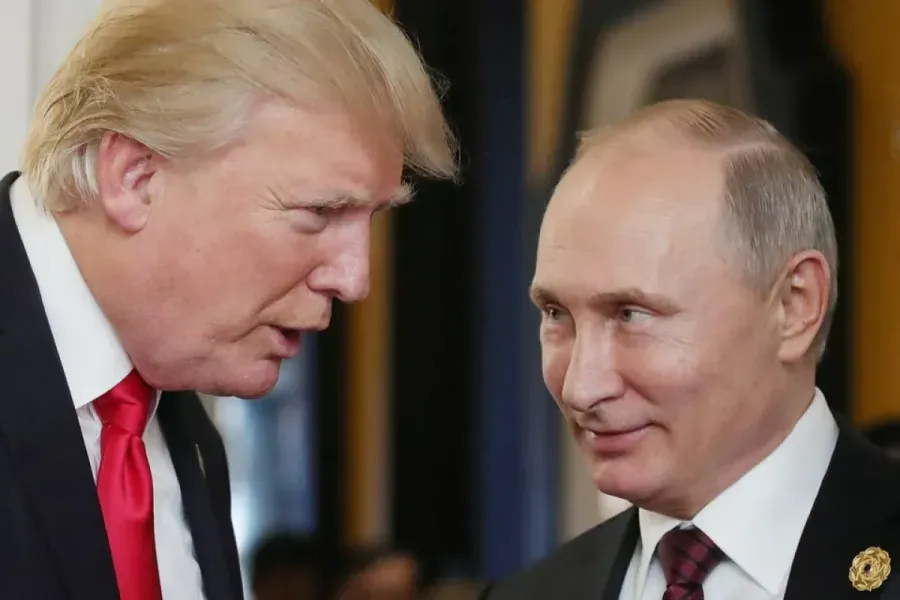
More than 80 years have passed. Today, however, we are witnessing a new picture that recalls that historical political configuration. This time, the possible trio consists of Chinese leader Xi Jinping, US President Donald Trump and Russian President Vladimir Putin. Photographs presented side by side evoke precisely this parallel: a historic image from 1945 and the three leaders of major powers in 2026. This raises an important question: could the world once again be shaped by negotiations among the leaders of three major powers? More specifically, could Europe once again be left out of the room where decisions are made?
As at the Yalta Conference, the leaders in question today represent the main centres of power in world politics. The United States is a leading global power in terms of its military, financial and technological capabilities. China is expanding its economic and industrial capacity while rapidly strengthening its military might, making it Washington’s principal rival for global leadership. Russia, meanwhile, remains a power to be reckoned with in the international system thanks to its nuclear arsenal, energy resources and military-political influence.
In 1945, too, the “Big Three” placed their strategic interests first and largely determined the key decisions concerning Europe’s future themselves. Even France was not represented at the Yalta Conference. A somewhat similar picture can be observed today. The European Union is struggling to formulate a unified foreign policy position. Moreover, tensions in transatlantic relations with the United States are weakening Europe’s position within its traditional alliance system. The war in Ukraine, energy security challenges and internal political divisions further limit the continent’s ability to influence global developments.
However, there are also significant differences between the geopolitical landscape of 1945 and that of today.
At the time, the three leaders belonged to the same military and political coalition. They were united by a common enemy – Nazi Germany. Today, however, Xi Jinping, Donald Trump and Vladimir Putin share neither a common ideological platform nor common strategic objectives. On the contrary, their interests clash in many areas.
Although China and Russia describe their relationship as an “all-round strategic partnership”, it is underpinned by mutual interests and geopolitical calculations. Just as Beijing seeks to gain certain advantages from Moscow’s confrontation with the West, Russia benefits from China’s economic and diplomatic support. Nevertheless, the shifting balance of power between the two countries, increasingly in China’s favour, raises separate questions about their future relationship.
Donald Trump’s foreign policy, meanwhile, prioritises an approach based on tough competition and deal-making in relations with both Beijing and Moscow. Tariffs, sanctions and economic pressure are among Washington’s main political tools. The “America First” doctrine also demonstrates that US foreign policy places national interests above all else. This approach is not fully compatible with the geopolitical ambitions of either China or Russia.
Another important difference lies in the international system itself. In 1945, the victorious powers were shaping the post-war world order. Today, the existing liberal international system is facing serious challenges. Old rules are weakening, but it remains unclear what principles will underpin the new order that replaces them.
Differences between political systems should also not be overlooked. In 1945, Roosevelt and Churchill represented democratic states, while Stalin represented the totalitarian Soviet regime. In today’s potential trio, China and Russia are represented by leaders of authoritarian political systems. US President Donald Trump, meanwhile, represents a populist political current that has gained ground within a liberal democracy. These differing political outlooks and models of governance make the prospect of reaching common ground even more complicated.
Against this backdrop, the most pressing question once again concerns Europe’s future: what will be left for Europe?
The answer may be far from reassuring. If an agreement is reached among the major powers that leads to the world being divided into spheres of influence, Europe could once again become an object of geopolitical bargaining. The security of Ukraine, Moldova, the Balkans and even the Baltic states could be put at risk of becoming a subject of agreements between major powers. Preventing such a scenario will depend on Europe strengthening its own political and military capabilities, demonstrating a united position and enhancing its strategic independence. Otherwise, as in 1945, the continent could find itself on the sidelines of the table where decisions about its future are made.
For these reasons, the “Yalta 2.0” parallel is more than a mere historical analogy. It is a reminder of the major powers’ renewed ambitions to become the principal decision-makers in international relations, as well as the risk that the fate of smaller states could become dependent on their geopolitical rivalry.
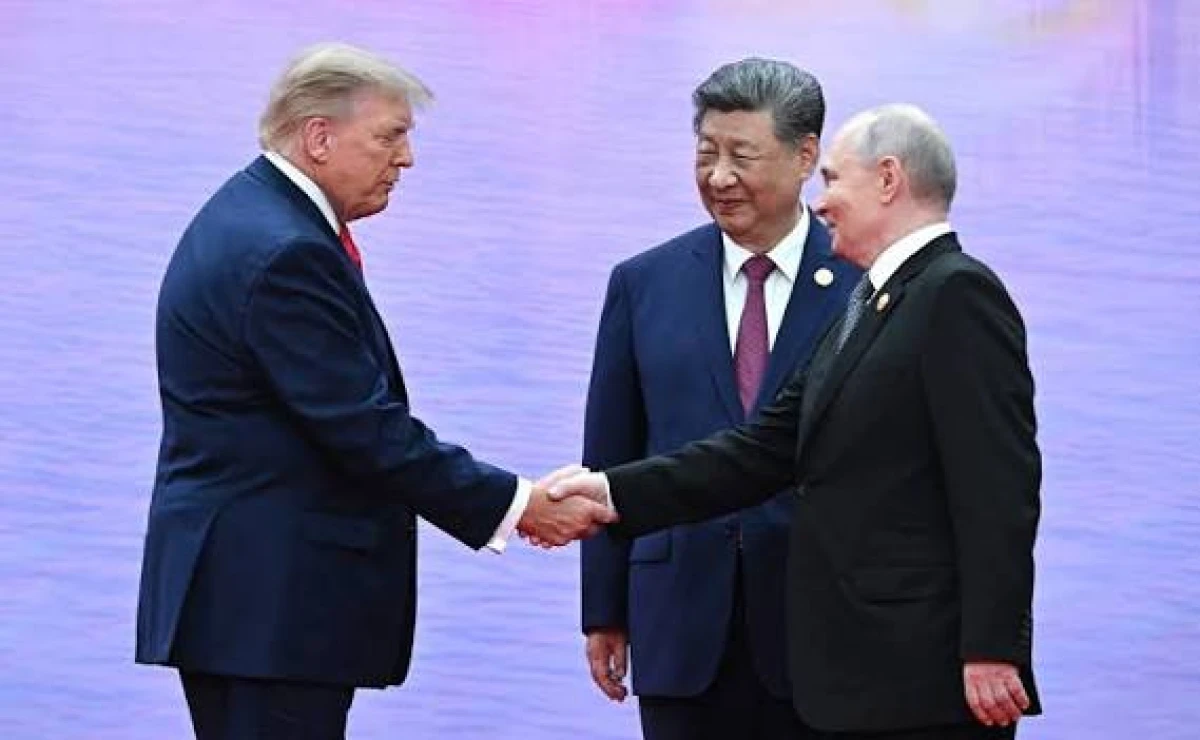
One point, however, should not be forgotten: the three leaders who came to Yalta in 1945 were victors of the war. Today, each member of the potential new trio faces domestic problems, economic and political constraints, and geopolitical contradictions awaiting resolution. Whether there are any common objectives capable of bringing them together around the same table is also an open question.
Therefore, “Yalta 2.0” will either remain a geopolitical scenario that is difficult to realise or, if it does materialise, pave the way for a more complex, fragile and dangerous international system. The greatest risk is that, in the process of building a new world order, not all the countries directly affected by its outcome will have a seat at the decision-making table.
Giymat Mahir