
Neither Iran surrenders nor Trump backs down: How long can the markets hold out?
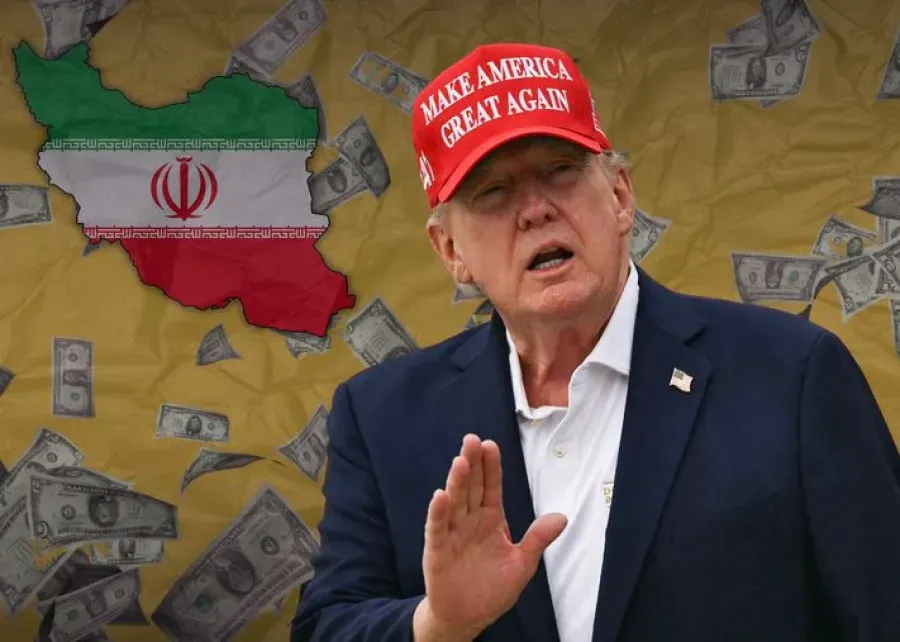
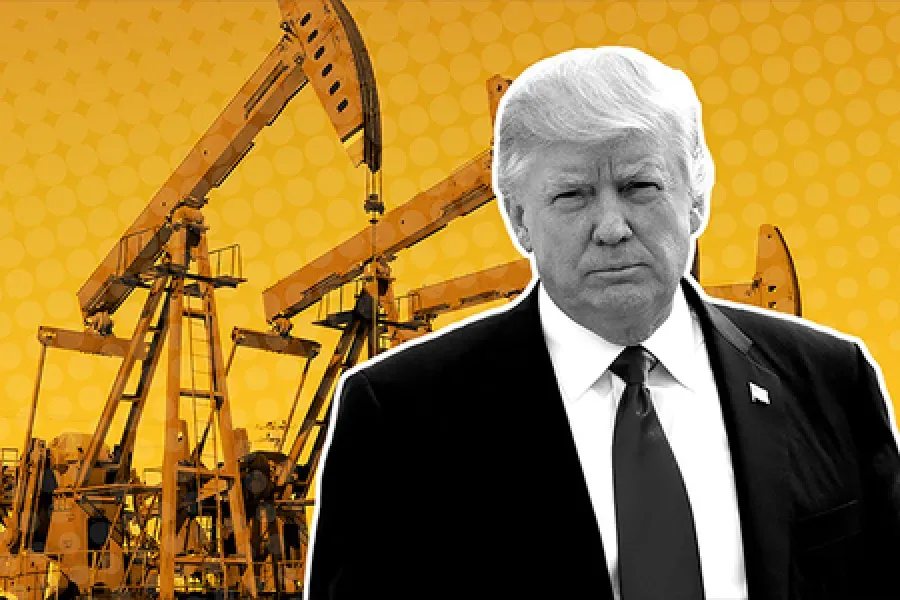
US President Donald Trump's latest statements on Iran have focused on intensifying economic pressure, restricting the country's oil exports and establishing control over the Strait of Hormuz. He has not ruled out the resumption of military operations if no agreement is reached with Tehran. Meanwhile, the US Treasury Department has imposed new sanctions targeting financial networks linked to Iran.
Will these developments leave the global economy unaffected?

"In this conflict, unless one side completely retreats – either through Iran's total defeat or the United States abandoning its current strategy altogether – the situation will drag on for a very long time. Consequently, oil prices will continue to fluctuate.
A US retreat is unlikely. The United States never changes its strategy. I even believe that Washington's withdrawal from Afghanistan was also influenced by its focus on the issue of Iran. You and your readers probably remember the events that took place several years ago," he said.
The economist believes that the continuation of the confrontation will not trigger a major global economic crisis, although some market fluctuations are inevitable.
"One side is unwilling to surrender, while the other refuses to back down. This means the confrontation will continue for a considerable time. As for the economic impact, we are likely to see a situation broadly similar to what we have experienced throughout 2026. There may be some differences, but I do not believe the global economy, the Gulf region or other parts of the world are facing major crises.
Does this mean everything will be fine? No, not everything will be fine. There will be periods of volatility, followed by periods of relative stabilisation," Amirov said.
According to Amirov, a fundamental change in the economic outlook could occur only if the United States launches an unprecedented military intervention against Iran and succeeds in bringing about regime change in the country.
"I believe a fundamental shift could occur only if the United States carries out military intervention on an unprecedented scale, unlike anything it has done before, and succeeds in overthrowing the regime in Iran. Until then, I do not expect any major changes. Oil prices will continue to move up and down.
At certain points, prices could reach critical levels, particularly in the run-up to major developments. This is because markets tend to react more strongly to forecasts and expectations.
For example, in 2020, when two people died from coronavirus in China, stock markets experienced dramatic declines. However, by the summer of that year, more than one million people had already lost their lives, and the markets had stabilised.
Jale Rovshan