
7 beneficial exercises for joint pain – How to prevent osteoarthritis
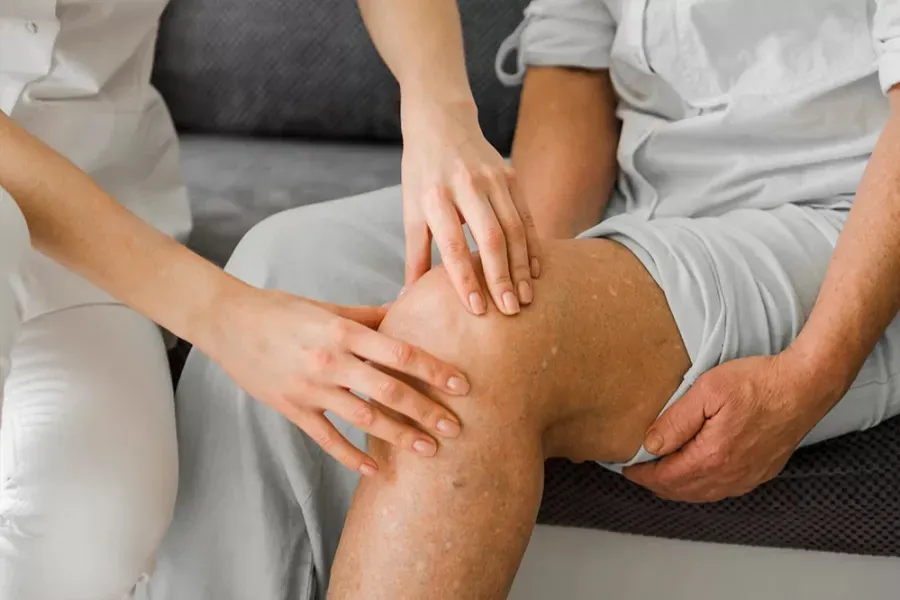
Joint pain, stiffness during movement and the gradual deterioration of cartilage tissue can negatively affect daily quality of life. Osteoarthritis, which becomes more common with age, can cause pain, swelling and limited mobility in the knees, hips, hands and spinal joints.
In osteoarthritis, cartilage tissue gradually deteriorates. However, properly selected physical exercises can help improve joint function, strengthen surrounding muscles and reduce pain. Rather than remaining inactive, people with osteoarthritis are advised to engage in regular physical activity suited to their condition.
Which exercises are beneficial for osteoarthritis?
Physical activity not only helps maintain joint mobility but also strengthens the muscles that support the joints. Strenuous workouts are not necessary to achieve these benefits. Simple exercises performed regularly can also produce positive results.
1. Gentle walking
Walking at a comfortable pace every day can help maintain joint mobility. People with osteoarthritis of the knees or hips can begin with short distances and gradually increase their walking time according to their physical condition. Flat and comfortable surfaces should be chosen whenever possible.
2. Knee bending and straightening
While sitting on a chair, extend one leg forward at a time, hold it for a few seconds and then bend it again. This movement helps activate the muscles around the knees and maintain joint mobility.
3. Straight leg raises
Lie on your back with one knee bent and the other leg straight. Slowly raise the straight leg and lower it in a controlled manner. Repeat the exercise with both legs. This movement helps strengthen the thigh muscles.
4. Stationary cycling
Low-intensity exercise on a stationary bike allows the leg muscles to work without placing excessive impact stress on the knee joints. Initially, a few minutes of gentle cycling is sufficient. The duration can gradually be increased if no pain or discomfort occurs.
5. Standing on tiptoes
Stand upright while holding onto a chair or wall for support. Slowly lift your heels off the floor and then lower them again. This exercise strengthens the calf muscles and helps maintain balance.
6. Water-based exercises
Swimming and gentle water aerobics are beneficial forms of physical activity for people with osteoarthritis. The buoyancy of water reduces the amount of body weight placed on the joints. At the same time, these activities help activate muscles and maintain mobility.
7. Side leg raises for the hip joints
Lie on your side with the lower leg slightly bent and the upper leg straight. Slowly raise and lower the upper leg. This exercise helps strengthen the muscles supporting the hip joint.
What should you consider when exercising?
For people with osteoarthritis, performing exercises correctly is just as important as choosing the right movements. Rather than starting with high-intensity workouts, it is recommended to begin with gentle exercises and gradually increase the workload.
Warming up with light movements for 5–10 minutes before exercising and performing each movement slowly and in a controlled manner are important. Exercises that cause pain or place sudden stress on the joints should be avoided. High-impact activities such as running, jumping and heavy weightlifting may not be suitable for everyone.
Severe or persistent pain, swelling and restricted movement after exercise should not be ignored. If sharp joint pain, noticeable swelling or redness develops, exercise should be stopped and medical advice sought. A physical exercise programme should be tailored to the stage of the disease, the severity of pain and the individual’s overall health.
Can exercise restore damaged cartilage?
One of the most frequently asked questions about osteoarthritis is whether damaged cartilage can regenerate. Physical exercise cannot restore worn cartilage to its original condition. However, appropriate movements can strengthen muscles, improve joint function and help reduce pain and stiffness.
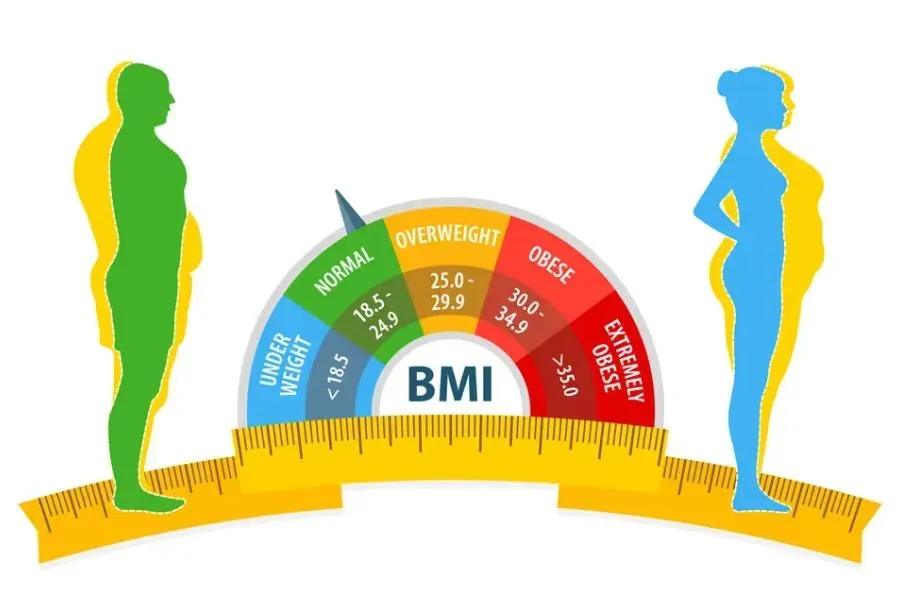
In addition to physical activity, weight management, a balanced diet and adherence to prescribed medical treatment are important in managing osteoarthritis. Losing excess weight can reduce the mechanical load on the joints, particularly in the knees and hips.
In conclusion, complete inactivity is not the right approach to managing osteoarthritis. On the contrary, gentle and regular exercises tailored to individual needs can help preserve joint function, make everyday movements easier and improve quality of life. For the best results, exercises should be selected in consultation with a physiotherapist or doctor.
Kubra Musayeva