
Are you putting your health at risk while cleaning your home? – DETAILS
Household cleaning may seem harmless, but the chemicals used to keep homes clean and disinfected can pose significant health risks. Substances such as chlorine, ammonia, acids, solvents and volatile organic compounds can irritate the respiratory system and, in some cases, trigger more serious health problems. The level of risk depends on the product’s ingredients, the amount used, the duration of exposure and how well the room is ventilated.
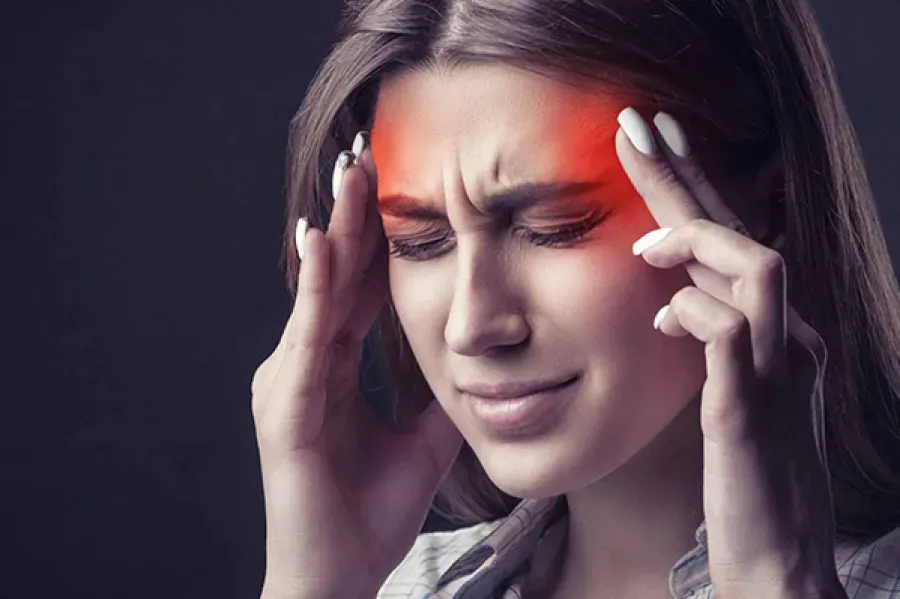
One of the main problems associated with household cleaning chemicals is irritation of the mucous membranes in the nose, throat and lungs. Chemical fumes released into the air during cleaning can cause coughing, a burning sensation in the throat, a runny nose, sneezing and shortness of breath. Some people may also experience watery eyes, headaches and dizziness. These symptoms can be more pronounced when cleaning products are used in small, poorly ventilated spaces.
Aerosol-based cleaners require particular caution. When sprayed, these products release tiny droplets of chemicals into the air. The particles can enter the respiratory tract when inhaled, causing irritation and inflammatory reactions. Scientific studies have linked the regular use of cleaning sprays to asthma and other respiratory problems.
Cleaning chemicals can also trigger allergic reactions. Fragrances, preservatives and other ingredients found in certain products may cause allergic rhinitis, skin rashes, itching and eye irritation in sensitive individuals. However, not every irritation is an allergic reaction. For example, coughing and a burning sensation in the throat caused by chlorine or ammonia are often the result of their direct irritant effects rather than an allergic mechanism.
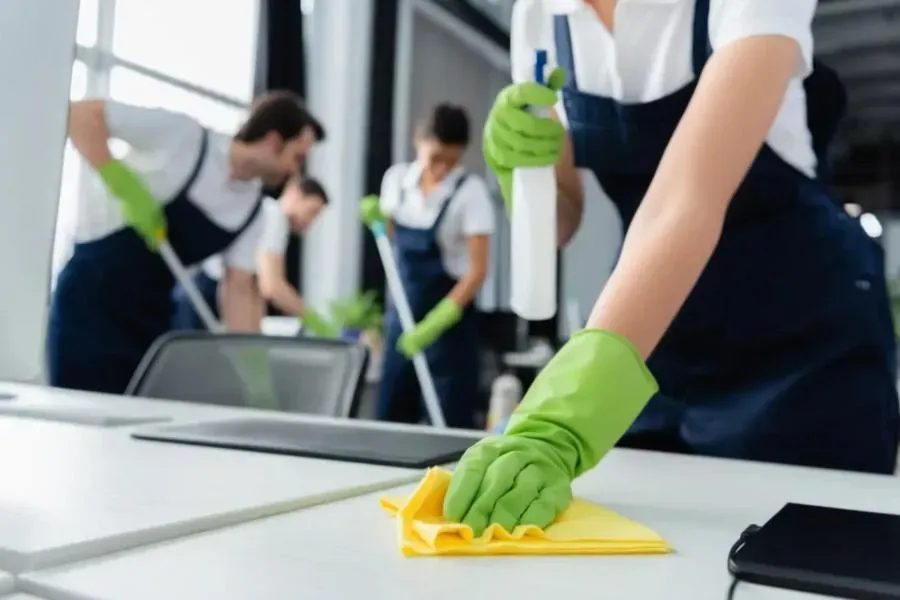
Prolonged and repeated exposure to household cleaning chemicals has been linked to the development of bronchial asthma or the worsening of existing asthma. Cleaning staff, professional disinfection workers and people who come into daily contact with these substances may face a higher risk. In people with asthma, chemical odours and fumes can cause the airways to narrow, leading to wheezing, chest tightness and coughing fits.
Children, older adults, pregnant women and people with chronic respiratory conditions may be more sensitive to the effects of chemicals. Since children’s respiratory systems are still developing, exposure to high concentrations of chemical fumes in enclosed spaces should be avoided. For this reason, children should be kept away from areas where cleaning is taking place, and household chemicals should be stored out of their reach.
One particularly dangerous practice is mixing different cleaning products. Combining chlorine-based bleach with ammonia can produce toxic chloramine gases, while mixing it with acid-based cleaners can release chlorine gas. Inhaling these gases can cause severe coughing, burning sensations in the eyes and throat, shortness of breath and, in serious cases, lung damage. Different cleaning products should therefore never be mixed.
To reduce the harmful effects of cleaning chemicals, it is essential to read product labels and follow the instructions carefully. Windows should be opened during cleaning, ventilation systems should be switched on, and strong chemical products should not be used in enclosed spaces. Whenever possible, products with strong odours or high concentrations of volatile organic compounds should be replaced with less irritating alternatives. However, a label describing a product as natural or eco-friendly does not necessarily mean it is completely safe.
Wearing protective gloves, keeping products in their original containers and avoiding direct contact with the skin, eyes and respiratory tract are also important precautions. If persistent coughing, wheezing, chest tightness or shortness of breath develops after exposure to cleaning chemicals, medical advice should be sought. In the event of exposure to strong chemical fumes, move into fresh air immediately and seek medical assistance. Emergency medical services should be called if severe breathing difficulties occur.
In conclusion, the improper use of household cleaning products can irritate the respiratory tract, trigger allergic reactions and worsen asthma symptoms. Choosing products carefully, never mixing chemicals, ventilating rooms regularly and following safety instructions can help reduce these risks. Although maintaining a clean home is important for health, the potential effects of the products used in the process should not be overlooked.
Aysel Matlab