
Visa granted, door opened: Is Washington setting a trap for Tehran or seeking peace?
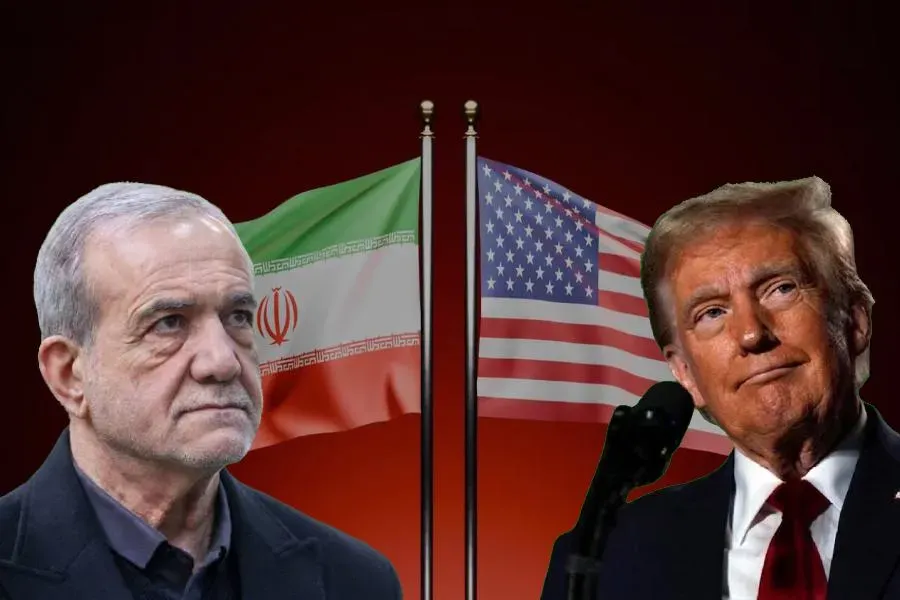
US President Donald Trump has not ruled out the possibility of meeting Iranian President Masoud Pezeshkian in New York.
The US president said he was ready to meet Pezeshkian on the sidelines of the upcoming session of the UN General Assembly.
But how realistic is a meeting between the two leaders?
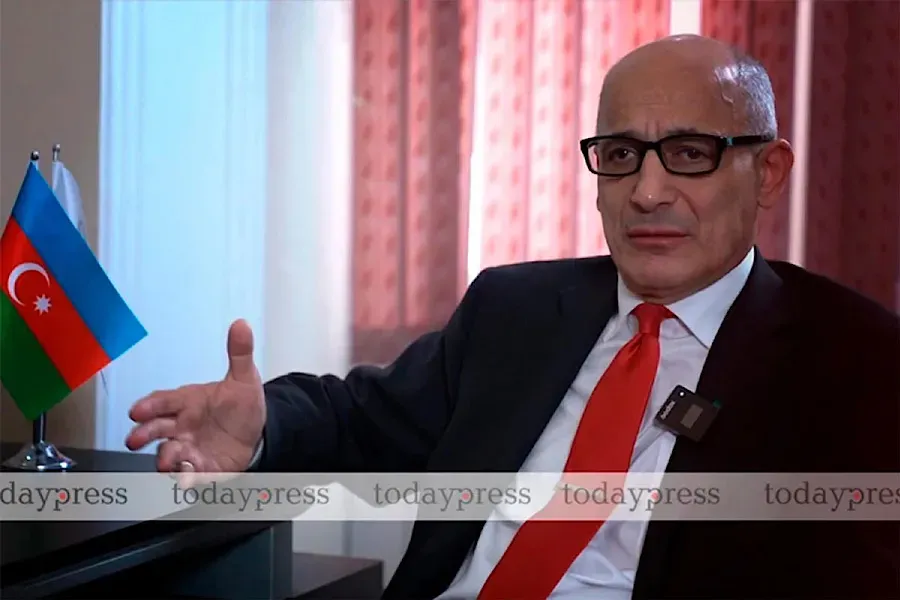
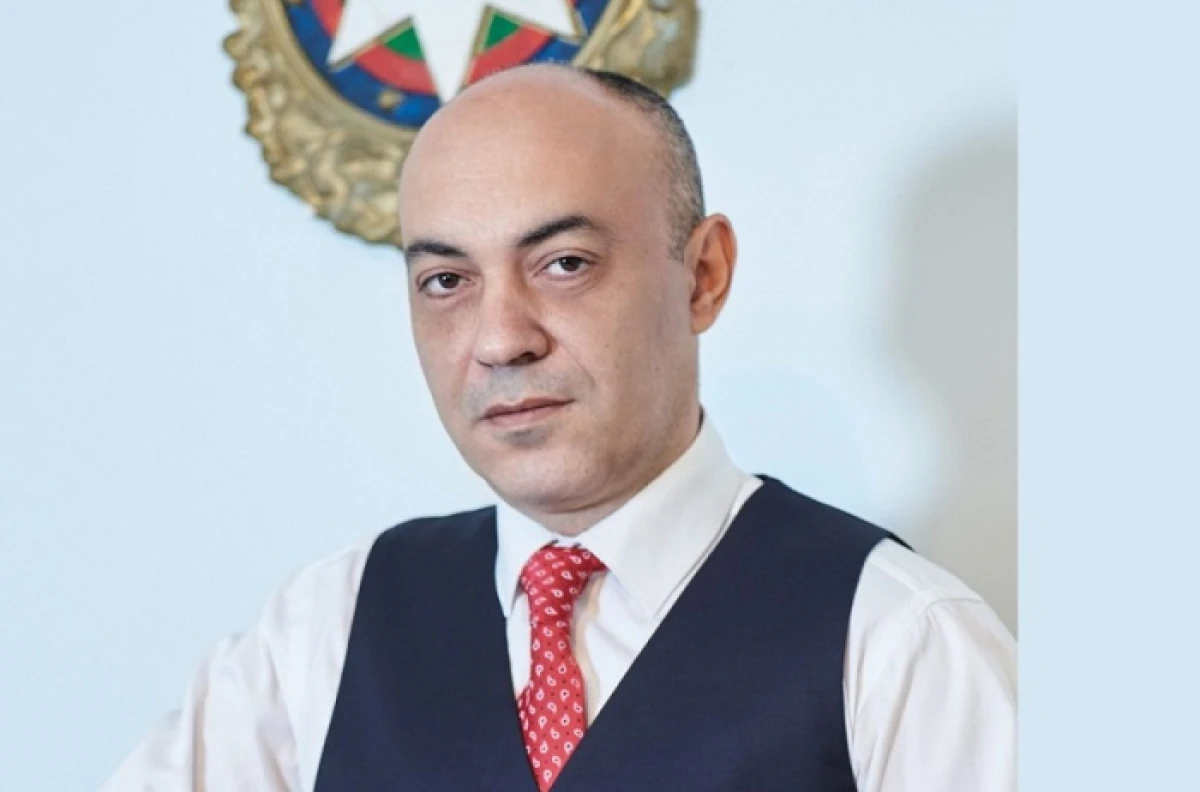
Speaking to TodayPress TV about the issue, political analyst Rashad Bayramov said Trump’s statement that he was open to meeting Pezeshkian could be viewed as a notable diplomatic signal in US-Iran relations.
According to the expert, the statement came at a time when military confrontation between the United States and Iran is continuing, while the two sides have also maintained intermittent contacts aimed at ending the conflict.
He said that, from a technical standpoint, the meeting is quite realistic:
“The fact that the United States has issued a visa to the Iranian delegation led by Pezeshkian to attend the UN General Assembly already indicates that Washington has at least created a diplomatic opportunity for such contact. Although the State Department has linked the decision to the United States’ obligations as the host country of the United Nations, the Iranian president’s presence in New York creates practical conditions for a potential meeting between the two leaders.”
The analyst added that the occurrence of a meeting and its ability to produce results are two different matters. Significant differences remain between the positions of the two sides. Washington expects a concrete agreement from Tehran, while Trump has stated in recent remarks that, alongside a diplomatic agreement, options involving economic pressure and military escalation are also being considered. Iran, meanwhile, remains cautious about negotiations under military pressure and says it has its own conditions for ending the conflict.
The political commentator also stressed that the current tensions are precisely what increase the significance of a meeting. Direct contact at the leadership level could give the two sides an opportunity to understand each other’s positions more clearly than through messages conveyed by intermediaries. If the meeting takes place, the main topics of discussion are expected to include a ceasefire, the future of military operations, Iran’s nuclear program, sanctions, energy and security issues in the Strait of Hormuz. The impact of the conflict on energy exports and international shipping is also currently among the factors encouraging Washington and regional countries to seek a diplomatic solution.
“On the other hand, we cannot automatically interpret Trump’s statement that he is ready for a meeting as meaning that Washington is prepared to reach a broad compromise with Iran. Likewise, Pezeshkian’s presence in New York does not yet mean that Tehran has agreed to negotiations. Iran’s military leadership is warning of a harsh response in the event of a new US attack, which shows that military pressure is continuing alongside political dialogue,” the political analyst explained.
R. Bayramov concluded that while a Trump-Pezeshkian meeting is possible at the current stage, it is impossible to say that the meeting would lead to a final agreement.
Aysel Matlab