
Iran’s breakup does not appear realistic
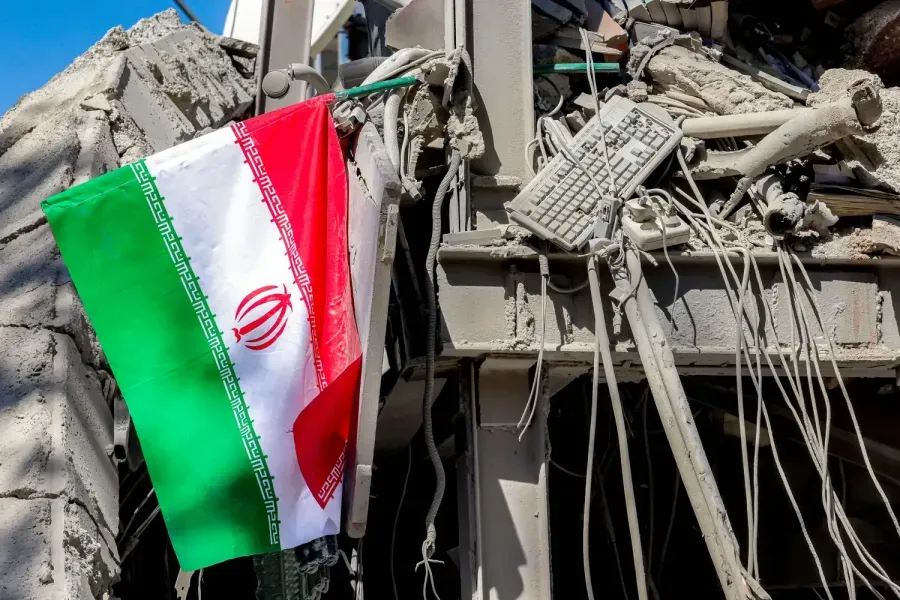
At a time when military tensions in the Middle East have reached a peak, the blockade of the Strait of Hormuz has deepened and international pressure on Tehran has intensified, the question of whether Iran could break apart has once again become a major topic of discussion. The deepening socio-economic crisis at home and rising tensions in ethnic regions are further increasing the risk of the regime collapsing from within.
Political analyst Natiq Miri spoke to TodayPress TV about the issue.
He noted that the outcome during Israel and the United States’ military intervention and bombardment of Iran was the opposite of what had been expected:
“They believed that dissatisfied forces inside the country would take advantage of these strikes, that sharp divisions would emerge in society, and that people would take to the streets en masse to overthrow the weakened Iranian regime. However, mistakes made during the military intervention and bombardments, as well as strikes on civilian facilities and the mass killing of students at schools, united society rather than dividing it and further strengthened the regime’s position domestically.
“In this regard, the scenario of Iran actually breaking apart does not appear realistic for now. This would require the intervention of larger ground forces, which would create a serious risk of military casualties for the United States.”
The analyst believes that such a breakup is only theoretically possible:
“If the scenario is assessed from a social perspective, the process could initially begin in Kurdish and Baloch regions, which are in sharp conflict with the regime. It does not appear realistic to expect the current regime to win the support of these ethnic groups or take serious steps to improve their welfare.
“However, if such a process of fragmentation begins within society, it could create serious potential threats for Azerbaijan. It has been reported that Israel has promised the Kurds territories to be occupied and oil and gas resources in an effort to encourage them to take action. We observed similar processes in Syria for a long time. The arming of Kurdish groups and their uprising could raise the risk of the occupation of South Azerbaijan, as well as the possibility of a mass influx of Azerbaijanis into Northern Azerbaijan and the resulting humanitarian crisis.”
According to him, Turkey faces the same potential threat:
“That is why, according to reports, a warning was issued to Donald Trump at the level of the Turkish president. Referring to the events in Syria, it was emphasized that if Kurdish terrorist groups were used as a tool and mobilized, the Turkish army would intervene in the process. According to claims, it was precisely after this warning that Trump halted the plan, despite reports that weapons had already been distributed.”
The analyst added that despite severe socio-economic problems such as rising prices, fuel shortages and unpaid salaries and pensions, people are not taking to the streets and are not engaging in mass protests against the regime, driven by an instinct to protect the state. Seeing that the scenario of an internal uprising is not fully realistic, the authorities in Washington are currently focusing more on economically squeezing Iran and increasing social discontent through this approach.
Jala Rovshan