
Elçibey’s aide opens Kaşif Kozinoğlu’s Karabakh dossier – Details
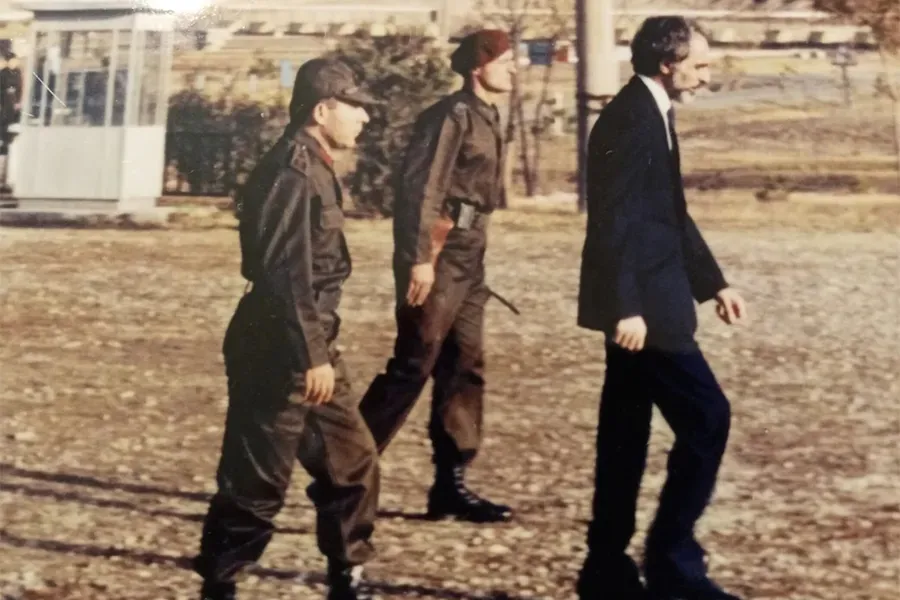
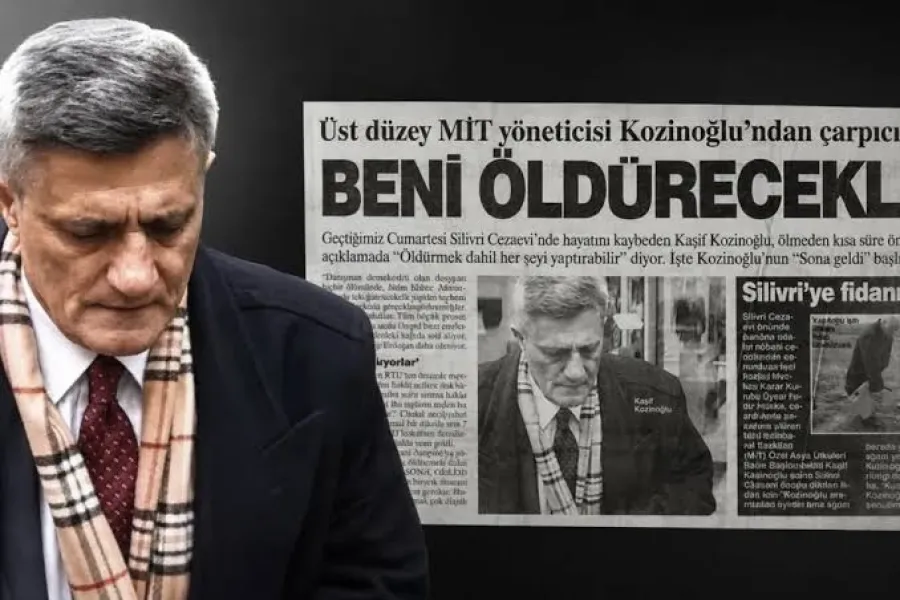
New details have emerged about Kaşif Kozinoğlu, the legendary officer of Türkiye’s National Intelligence Organization (MİT) and Special Forces, who played a historic role in the establishment of the Azerbaijani National Army in the early 1990s and in organizing special operations during the Karabakh war.
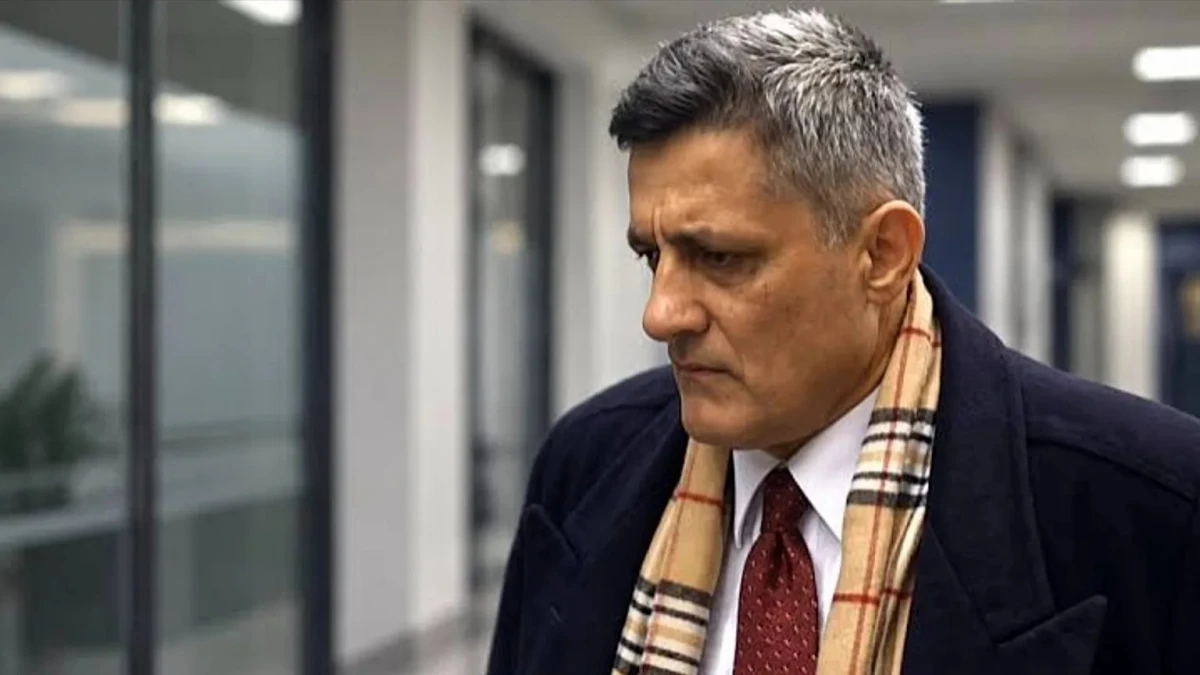
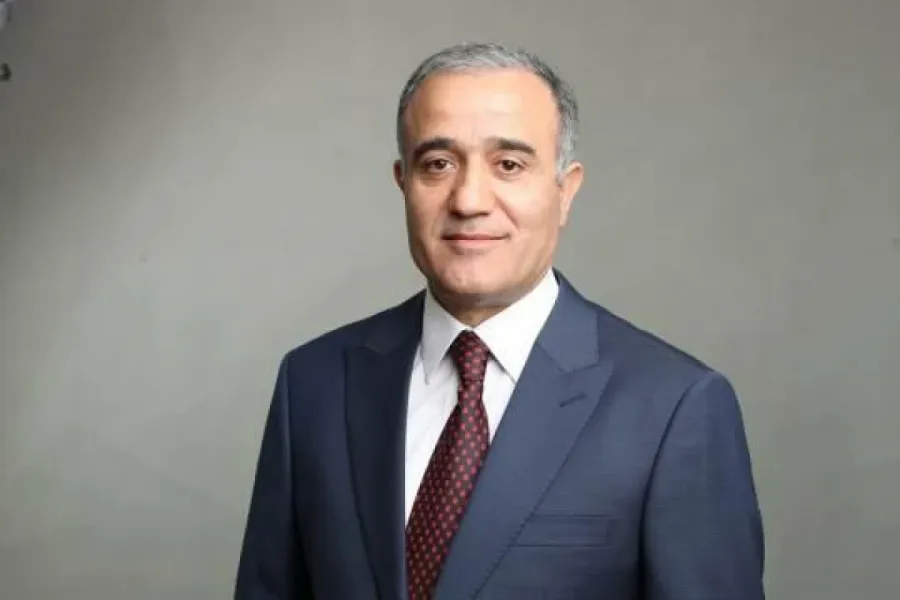
Speaking to TodayPress TV, political analyst Ogtay Gasimov, a leader of the Azerbaijani National Liberation Movement and aide to the late President Abulfaz Elchibey, shared exclusive details about Kozinoğlu’s activities in Baku and the legendary battalion he established.
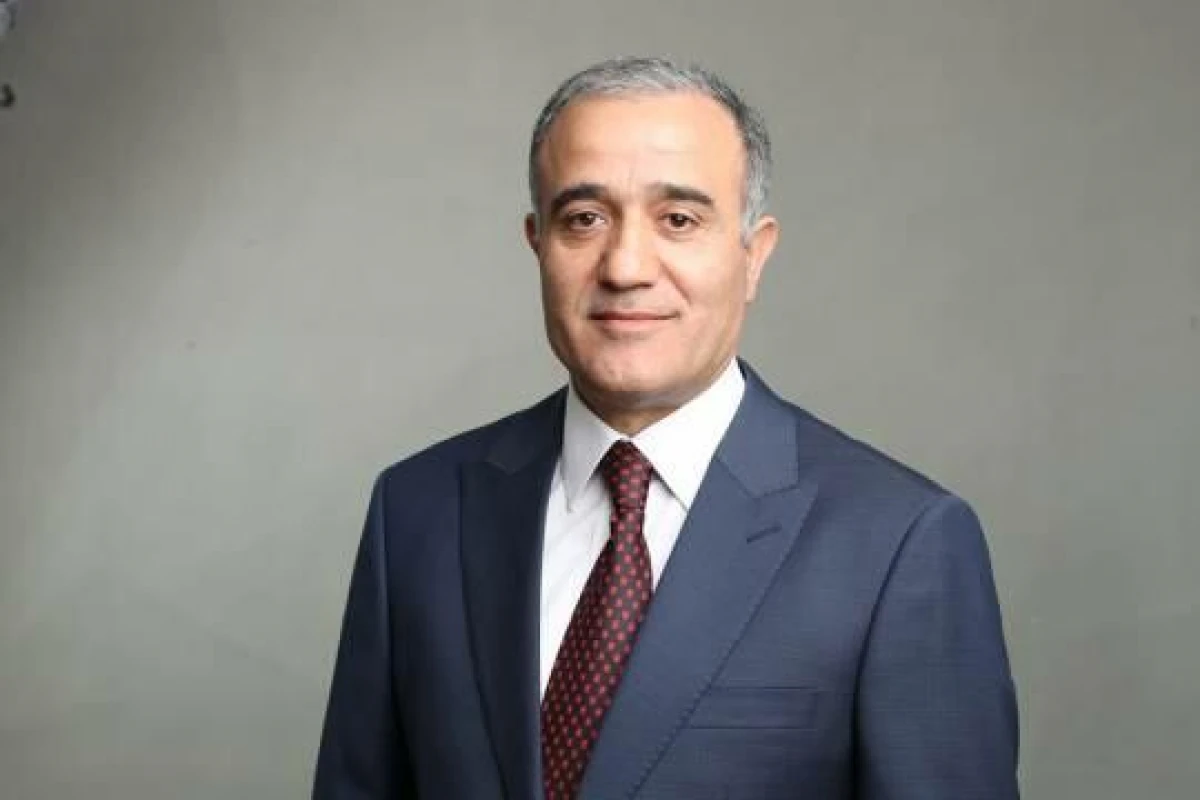
Ogtay Gasimov recalled Kozinoğlu’s arrival in Azerbaijan and his activities in army building as follows:
“Kaşif Kozinoğlu was indeed in Azerbaijan, starting from late 1992. He had previously served in the Turkish Army’s special forces ‘team’ system. He participated in, or rather personally conducted, the training of around 80 of our servicemen, including many members of the Guards’ command staff. There were two groups: 43 people in one and, if I remember correctly, 41 in the other. They mainly trained in the Kars–Sarıkamış area.
After coming to Azerbaijan, he proposed that sending young people to Türkiye was an additional expense. He said, ‘Let me come here with several people close to me and establish the training center right here.’ Thus, he came to Perekeşkül, and two battalions were established at the time. Training began in January 1993.”
Elchibey’s aide noted that the discipline and combat path of the units being trained were built on entirely different principles:
“Unfortunately, one of the battalions was sent to the front ahead of schedule. However, by Abulfaz Bey’s firm instruction, the second battalion was left untouched for three months. The training period was three months and ended on April 5. On April 9, Kaşif released the fighters so they could spend three or four days with their families. At 9:45 a.m. on April 9, they assembled at Spartak Stadium, on the site of the former bus station. The 550-member personnel left as one and returned on time. At a time when cases of desertion were widespread in the army, discipline in this battalion was at the highest level.
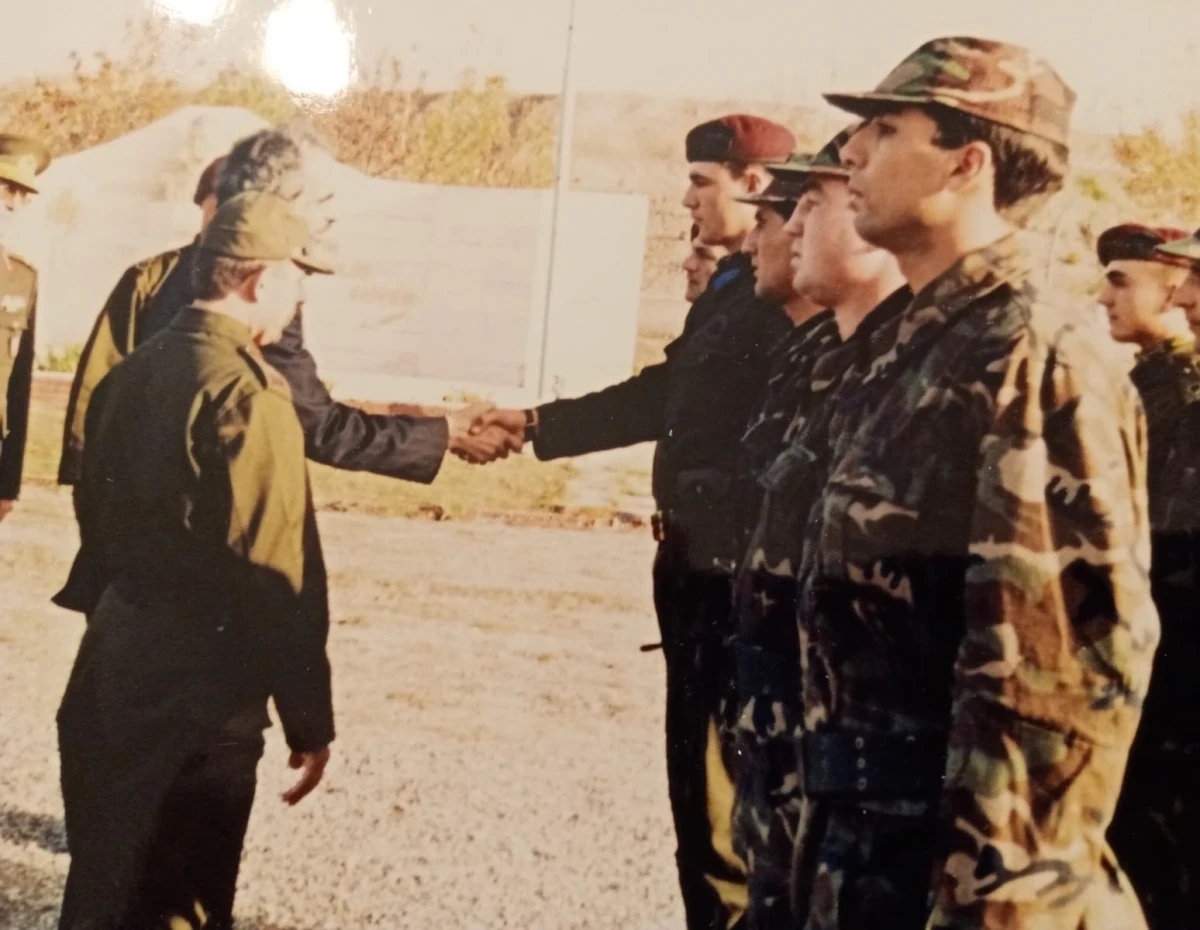
The 550-member battalion was later sent to Hacıkənd and then toward Tartar, where it entered combat. In 1993, ANS TV broadcast a report showing Armenian bodies scattered along the roads following one of the battles in the Tartar direction. That operation was carried out precisely by these forces — the battalion later designated as Number 777. At the time, the President gave strict instructions that this battalion should have no contact with other military units so that the negative ‘ailments’ in the army would not spread to it.”
Asked whether Kozinoğlu had held an official position in President Elchibey’s office, Ogtay Gasimov clarified:
“No, Kaşif did not hold a position in the Presidential Administration. Yaşar Demirbulaq and Osman Ilgaz were working there. Yaşar Demirbulaq was a lieutenant general, originally from Western Azerbaijan, from Yerevan, and had been an active member of the Azerbaijan Culture Association. One served as a military adviser, while the other was an adviser on strategic affairs and head of a department. They worked together with the late Intigam Salimov, who was later martyred in one of the battles.
There was also Atilla Kaya. They were entirely volunteers and fought in the Gubadli direction. Kaşif Kozinoğlu had come on his own initiative, sat alongside Faraj Guliyev, and was directly supervised by the late Tahir Mammadov, commander of the National Guard.
Kaşif Kozinoğlu returned to Türkiye in 1993, after Surət Huseynov’s rebellion and the known events. He later rose to head the Special Operations Department at MİT. He was subsequently arrested as part of the Ergenekon trials and later died.”
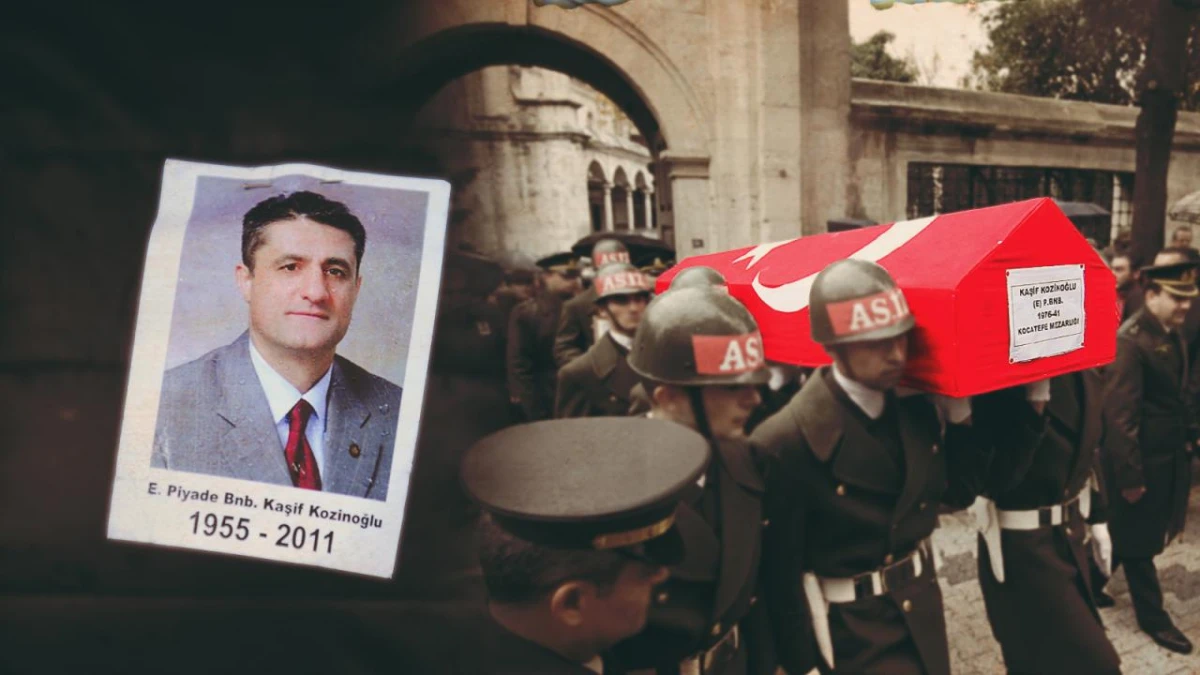
The death of Kaşif Kozinoğlu, who died under suspicious circumstances in a correctional facility in 2011, remains a matter of public interest. In 2026, a criminal investigation into the mysterious death 15 years ago was reopened on the instructions of Türkiye’s Ministry of Justice.
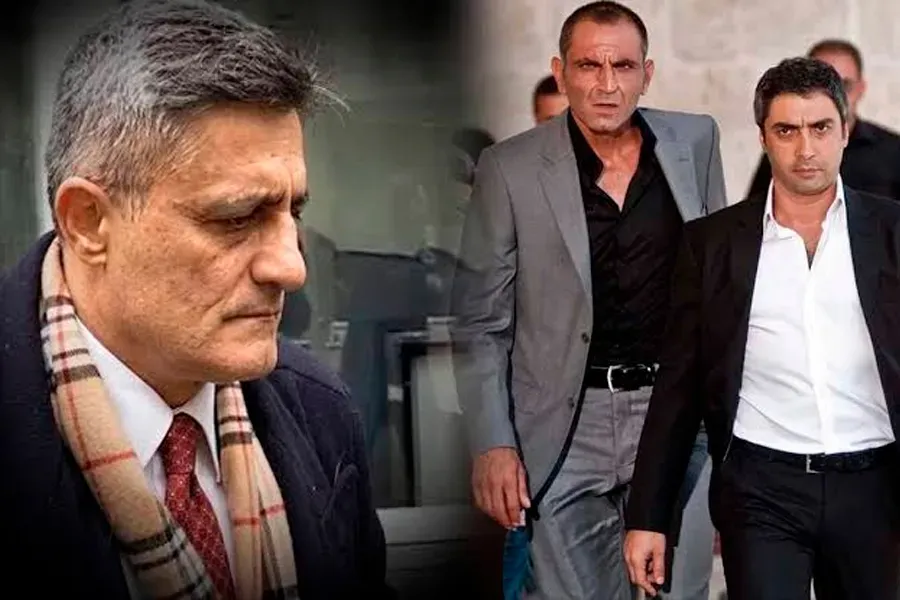
As part of the investigation, Kozinoğlu’s grave in Ümraniye was exhumed. It was determined that the body had largely not decomposed, and it was sent for forensic examination. A number of people have been summoned for questioning in connection with the case, including the screenwriters of the TV series “Valley of the Wolves,” which is alleged to have referenced Kozinoğlu’s activities, while some suspects have been arrested.
Ismayil Shahli
PHOTOS