US absent from COP31: How is Washington's withdrawal affecting other countries?

Representatives from 197 countries are expected to attend the Leaders' Summit in Antalya as part of COP31. However, the United States, one of the world's largest economies and historically one of the biggest contributors to greenhouse gas emissions, is once again not participating in the summit with an official delegation this year.
According to TodayPress TV, the United States has now declined to take part in global climate negotiations for the second consecutive year.
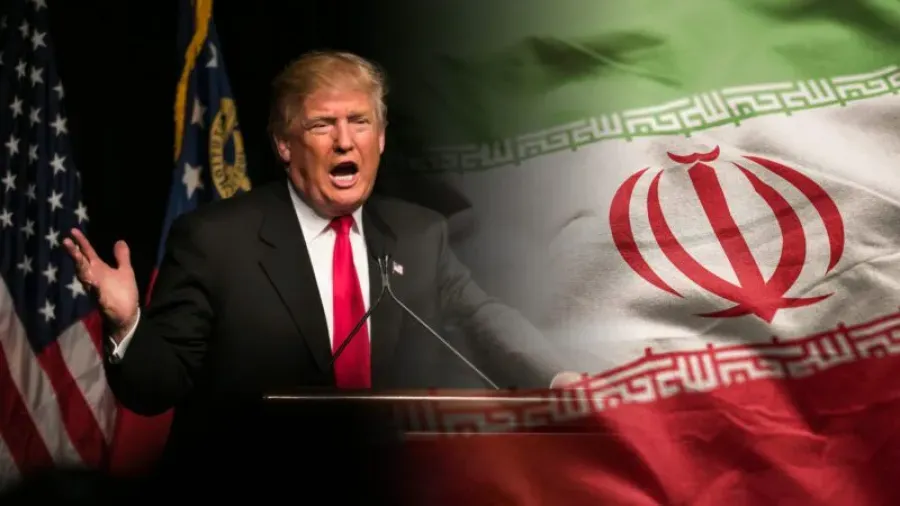
US President Donald Trump has described global warming as “the greatest hoax the world has ever faced”, withdrawn his country from the 2015 Paris Climate Agreement and ended the practice of sending an official US delegation to COP31 this year.
As a result, the United States is not participating in international efforts to reduce greenhouse gas emissions. Washington has also cut its support for scientific research into global warming and halted financial assistance to vulnerable countries struggling with the consequences of climate change.
This situation has raised the question of whether other countries will take more active steps to fill the position left vacant by the United States.
Ghanaian representative Yaw Bediako Osafo, who leads a group of African countries in the negotiations, said the US position had previously carried particular weight in international climate discussions:
“When the United States was given the floor and the microphone was switched on, we all listened carefully. Now, however, the world's greatest power is stepping back and saying it will not take part in this process.”
US midterm elections could create new opportunities for climate policy
The Democratic Party's success in last week's US midterm elections has changed the country's political landscape. However, the new Congress, which will be under Democratic control, is expected to have limited opportunities to influence climate policy while Trump remains president. Nevertheless, Democrats have pledged to try to curb the administration's support for the fossil fuel industry and its measures targeting the clean energy sector.
Tina Stege, the Marshall Islands' lead climate negotiator, whose country faces the threat of rising sea levels, said some positive signals had recently emerged from the United States.
Some countries are also considering the possibility that the United States could rejoin UN climate negotiations if a Democratic candidate wins the 2028 presidential election.
John Kerry, who served as the US special presidential envoy for climate under the Joe Biden administration, said that if the trend reflected in the latest election results continued, a candidate who takes climate issues seriously could become president.
Kerry said he believed other countries would welcome the United States' return to the international climate process. He stressed that Washington would need to demonstrate openness to cooperation and avoid adopting an arrogant stance.
White House spokeswoman Taylor Rogers, meanwhile, said in a statement that the United States favoured “common sense, not climate nonsense”. According to her, the Trump administration would continue working with its allies around the world to restore energy abundance and ensure access to affordable, reliable and secure energy sources.
China has also failed to fill the vacuum left by the United States
China, currently the world's largest source of greenhouse gas emissions, holds a leading position in the production and export of renewable energy technologies. Nevertheless, Beijing has not stepped forward to fill the vacuum created by the United States' withdrawal from the international climate process.
While some countries, including the United Kingdom and Japan, have continued with their emissions-reduction plans, several others have stepped back from their previous climate policy targets.
The European Union has softened its targets for phasing out petrol-powered cars, proposed delaying the implementation of some emissions-reduction measures and weakened certain methane regulations.
Last year, New Zealand significantly lowered its target for reducing methane emissions, one of the greenhouse gases with a particularly strong impact on global warming. Brazil, meanwhile, has taken steps to expand oil production in offshore areas.
Canada, under Prime Minister Mark Carney, has also retreated from some ambitious climate initiatives over the past year. The country has abolished the federal carbon tax on consumers and abandoned plans to introduce a cap on greenhouse gas emissions from the oil and gas sector.
Palau's ambassador to the United Nations, Ilana Seid, said no country was currently demonstrating clear leadership in the international climate process:
“I don't really see a leader stepping forward at the moment. Countries are losing sight of the goal that once provided direction for all of us.”
Some participants believe that the United States' steps to increase fossil fuel use are giving other major emitters an opportunity to push the fight against climate change further down their agendas.
According to Nepal's Finance Minister Swarnim Wagle, when the United States takes a strong position and assumes a role of moral leadership, many countries follow its example. He said the perception that Washington was withdrawing from the process was influencing the positions of other states as well.
Numerous US politicians and officials taking part in COP31 events
Although the US government's official delegation is not attending the summit, a number of American foundations and non-governmental organisations, as well as current and former Democratic Party politicians, are participating in events held as part of COP31.
According to US officials, California Governor Gavin Newsom and Minnesota Governor Tim Walz are due to arrive in Antalya on Thursday. Newsom's visit has also attracted attention, as his name has been mentioned among potential candidates for the 2028 presidential election. Former US Vice President Al Gore will also speak at side events held during the summit.
Gina McCarthy, who served as the White House national climate adviser under the Biden administration, is leading a 120-member US delegation that includes mayors, governors and business representatives. In addition, around 19 Democratic members of the House of Representatives, led by Congressman Sean Casten, are expected to visit Antalya.
McCarthy said the delegation wanted to show the world that the vast majority of Americans still consider climate change an important issue. According to her, conveying this message has become somewhat easier following the midterm elections.
She expressed hope that the international community would become less concerned about whether the United States would return to climate cooperation after the current administration leaves office.
Democratic Senator Sheldon Whitehouse of Rhode Island also said he planned to attend COP31, stressing the importance of being represented at the summit.
He said the United States derives significant benefits from holding a leading and influential position in the international community. Whitehouse added that refusing to participate in international processes on such an important issue would mean forfeiting those opportunities.
Giymat Mahir