Five countries to receive funding for climate change adaptation
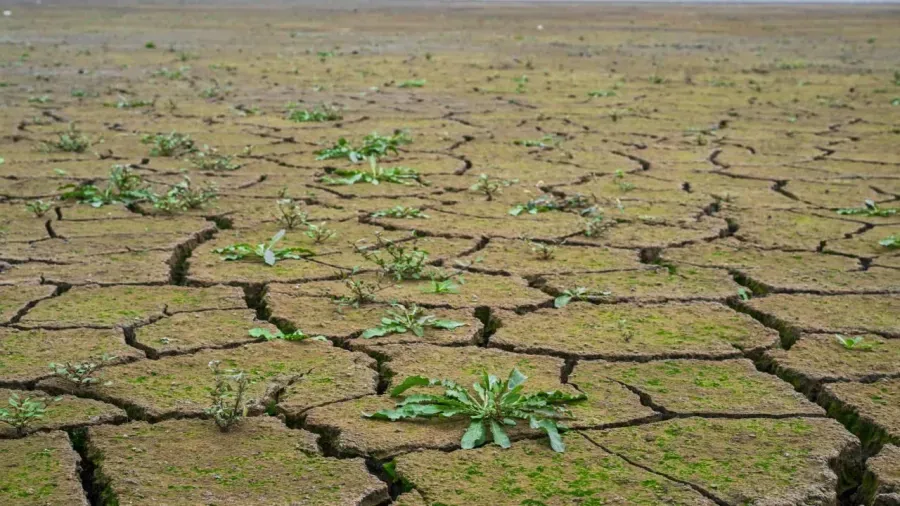
The first five countries and one regional project to receive funding under the ARISE programme, established to support countries most vulnerable to the effects of climate change, have been selected.
According to TodayPress TV, the results of the initial phase of the programme, implemented by the Climate Investment Funds (CIF), were announced as part of COP31.
The event, held in the conference's Blue Zone, addressed efforts to tackle the consequences of climate change, countries' preparedness for its impacts, financing adaptation measures, and the use of public- and private-sector resources.
In her remarks, CIF Executive Director Tariye Gbadegesin said climate change was affecting people's lives, livelihoods and economic prospects in different parts of the world. She stressed that increasing investment was essential to mitigating these consequences.
Referring to flooding in Nigeria's Niger Delta region, Gbadegesin said heavy rainfall and floods had damaged residential areas, forcing some residents to travel to churches by canoe.
She noted that resilience was not simply about people enduring hardship, but also about strengthening their ability to overcome it. Highlighting the importance of financial support, Gbadegesin said the ARISE programme aimed to ensure that climate risks were taken into account in national budgets and development plans, enable countries to select projects based on their own needs, and involve the private sector in the process.
It was announced that 40% of the programme's funding would be allocated to private-sector projects. Investments will be implemented with the joint participation of six multilateral development banks.
Five countries and one regional project to receive support in the first phase
Gbadegesin said that 70 countries had applied to the programme. According to her, the 25 highest-rated applications included projects worth a total of $700 million that were ready for urgent financing.
With financial support from Germany, Ireland and Spain, the programme's first phase will fund projects in Bangladesh, Haiti, Kyrgyzstan, Morocco and Sierra Leone, as well as a regional initiative covering Mozambique and Malawi.
According to the announcement, each selected country is set to receive $30 million, while the regional project will receive $40 million.
In Bangladesh, plans include strengthening coastal infrastructure and introducing climate-adaptive agricultural practices. In Haiti, funding will support coastal protection and mangrove restoration, while in Kyrgyzstan projects will focus on water resource management and improving the climate resilience of agriculture.
In Morocco, projects will focus on protecting water resources, developing seawater desalination facilities powered by renewable energy, and reusing wastewater. In Sierra Leone, funding will be allocated to coastal protection and mangrove restoration.
The regional project covering Mozambique and Malawi aims to protect economically important areas from natural disasters such as floods, droughts and cyclones, while also increasing private-sector investment.
Updating financial mechanisms to address climate risks considered essential
Carlos Alvarado Quesada, who is set to serve as acting Secretary-General of the Climate Vulnerable Forum (CVF-V20), said in his address that climate risks were no longer a possibility that might materialise in the future, but a reality being experienced today.
He noted that the livelihoods of 1.2 billion people who depend on water resources fed by glaciers were under threat because of climate change. Rising sea levels and difficulties in agricultural production were also having a negative impact on people's lives.
Quesada added that climate change was forcing people to leave their homes. According to him, young people who see no future in agriculture are beginning to migrate away from their native lands.
Stressing that existing financial mechanisms were insufficient to meet the needs created by changing climate conditions, Quesada called for adaptation and resilience-building projects to be implemented more rapidly and on a larger scale.
He said that while billions of dollars were needed to adapt to climate change, funding for the solutions currently being proposed amounted to only millions of dollars. Quesada emphasised the need to close this gap and establish financing mechanisms tailored to countries' needs.
The event continued with discussions involving representatives of the selected countries and CIF Executive Director Tariye Gbadegesin. Mark Bowman, Vice President for Policy and Partnerships at the European Bank for Reconstruction and Development, delivered the closing remarks.
Qiymat Mahir