
Little-known benefits of walking 8,000 steps a day

Walking 8,000–10,000 steps a day is considered one of the simplest ways to maintain a healthy lifestyle. Walking requires no special equipment or gym membership, yet when done regularly, it can have positive effects on everything from cardiovascular health to mood.
But is it really necessary to walk this many steps every day? What changes occur in the body?
1. Improves cardiovascular health
During walking, the heart works more actively, blood circulation increases and oxygen delivery to tissues improves. Regular physical activity can help control blood pressure and reduce the risk of cardiovascular disease.
2. Helps regulate blood sugar levels
During walking, muscles use glucose as an energy source. This can help reduce spikes in blood sugar levels and improve insulin sensitivity. Walking for 10–15 minutes after meals can be particularly beneficial.
3. Supports weight management
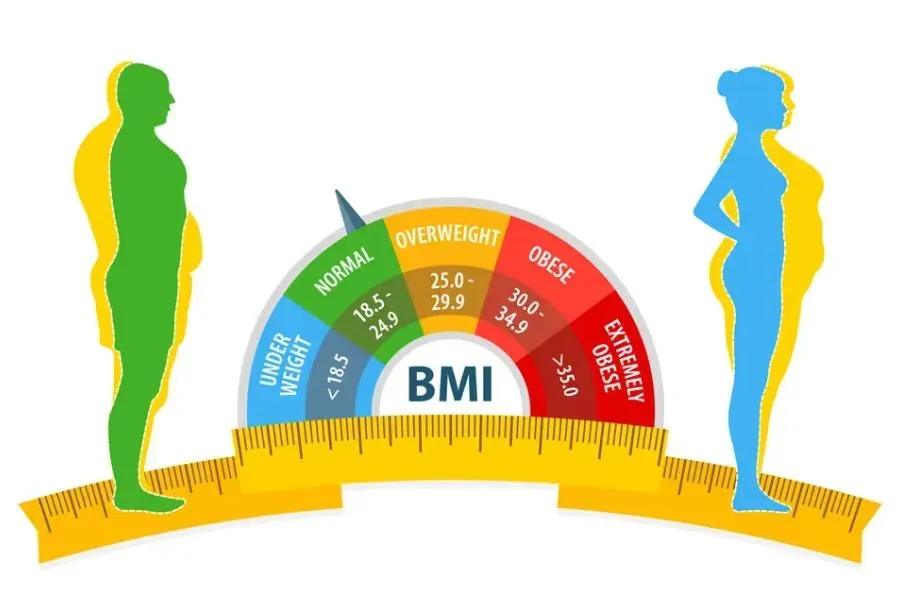
Walking 8,000–10,000 steps increases energy expenditure. Combined with a healthy diet, it can help maintain a healthy weight and reduce excess body weight. However, weight loss is not guaranteed by step count alone. Results depend on diet, walking speed, body weight and overall physical activity.
4. Strengthens muscles and bones
Walking engages the muscles of the legs, thighs and buttocks, improving their strength and endurance. As a weight-bearing activity, it also helps maintain bone strength. However, additional strength training exercises are beneficial for bone health.
5. May improve sleep quality
Getting enough physical activity throughout the day supports the body’s natural sleep-wake cycle. Regular walking may make it easier to fall asleep and improve sleep quality. However, intense physical activity in the evening may have the opposite effect on some people.
6. May reduce stress and tension
Physical activity and spending time outdoors can positively affect mood. Regular walking may help reduce stress, improve concentration and relieve emotional tension.
7. Supports digestive health
Gentle walking can stimulate intestinal movement and improve digestion. Taking a short walk after meals may also help reduce bloating and feelings of heaviness in some people.
8. Benefits brain health
Physical activity helps improve blood flow to the brain. Regular walking is associated with maintaining attention, memory and cognitive function. Staying active throughout the day rather than remaining sedentary for extended periods is also important for brain health.
Is walking 10,000 steps a day necessary?
No. Walking 10,000 steps a day is not a universal or mandatory health target. Research suggests that even fewer daily steps can provide health benefits. Gradually increasing daily step counts is particularly advisable for people who have previously led sedentary lifestyles.
The key is not to reach the same number every day but to make physical activity a daily habit. Breathing slightly faster while still being able to hold a conversation can indicate moderate-intensity physical activity.
In conclusion, walking 8,000–10,000 steps a day can help maintain heart health, regulate blood sugar, manage weight and improve overall physical and psychological well-being. However, alongside step count, the consistency and pace of walking, as well as a person’s overall lifestyle, also play an important role.
Kubra Musayeva