

These foods and exercises may help protect your brain from ageing
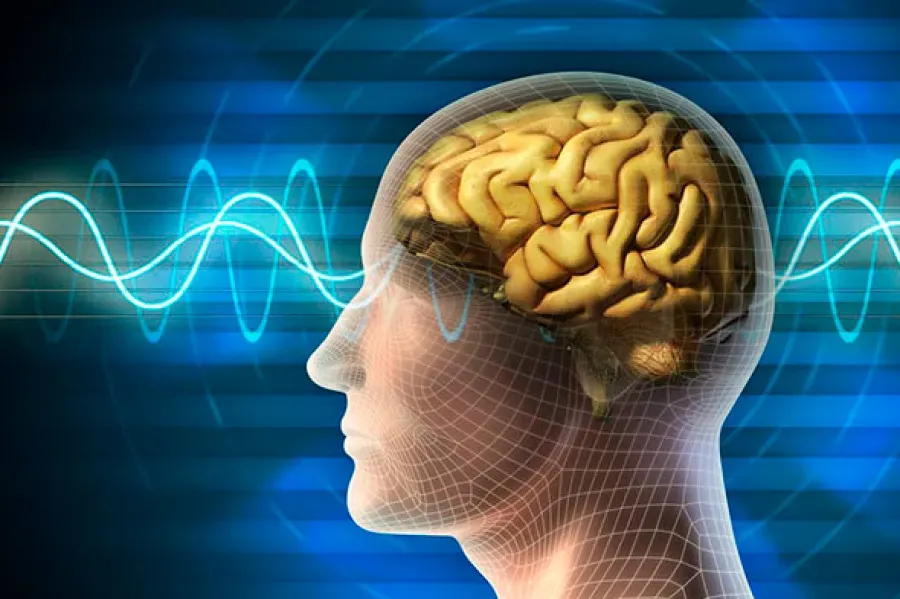
Memory loss, difficulty concentrating and trouble recalling information are more common as people get older. However, daily steps to maintain brain health can help keep cognitive functions active for longer. A healthy diet, mental exercises and physical activity play an important role in reducing the risk of Alzheimer’s disease and other forms of dementia.
TodayPress TV reports that, according to experts’ recommendations, one of the most important ways to protect brain health is to keep the mind consistently active.
Exercises that keep the brain active
Cognitive exercises help maintain various brain functions, particularly memory, attention, logical thinking and problem-solving skills. Complex tasks are not necessarily required.
Solving crossword puzzles, playing chess, reading books, learning a new language, playing a musical instrument and engaging in memory games are among the beneficial habits. Changing daily routes, learning new skills and trying to remember information that has been read can also improve mental activity.
Which foods should you choose for brain health?
Diet is another key factor affecting cognitive health. In this regard, the Mediterranean and MIND diets are particularly noteworthy. Both dietary patterns emphasize vegetables, fruits, whole grains, fish, legumes, nuts and olive oil.
Leafy greens, berries, walnuts, fish and olive oil should be included in particular. These foods provide the body with antioxidants, healthy fats and other essential nutrients.
In contrast, experts recommend limiting the consumption of foods containing excessive amounts of sugar, salt, processed ingredients and saturated fats.
Other important habits for reducing dementia risk
Protecting brain health is not limited to mental exercises and nutrition. Regular physical activity, quality sleep, social interaction and stress management are also important.
Regular walking, swimming and other forms of physical activity throughout the week can have a positive effect on blood circulation in the brain. Talking with friends, participating in social events and meeting new people can also support mental activity.
At the same time, it is important to keep high blood pressure, diabetes, high cholesterol and hearing problems under control.
There is no specific diet or exercise programme guaranteed to prevent Alzheimer’s disease or dementia. However, a healthy lifestyle, proper nutrition, and mental and physical activity can help reduce the risk of these conditions and preserve brain function. Most importantly, these habits should be developed not only in old age but also from an earlier stage of life.
Kubra Musayeva