
The liver’s natural defence: How necessary are detox supplements?
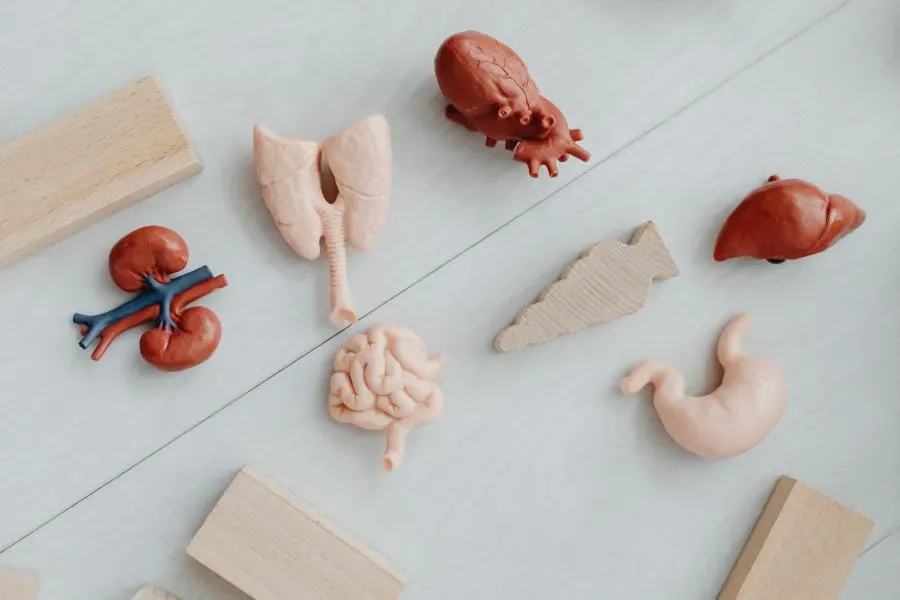
The liver is one of the body’s most important organs, playing a vital role in metabolism, nutrient processing and the breakdown of harmful substances. It is responsible for processing medications, alcoholic beverages and various other chemicals consumed by the body. In recent years, various supplements, herbal mixtures and special diets marketed for liver cleansing and detoxification have gained popularity. However, their actual benefits remain a subject of scientific debate.
In fact, a healthy liver is naturally capable of protecting itself and processing harmful substances. Special detox supplements are not necessary for this process. The liver helps break down toxins and eliminate them from the body. Most claims that products marketed as detox solutions can provide additional liver cleansing are not supported by scientific evidence.
One of the main concerns surrounding detox products is the lack of sufficient research into their safety. Herbal supplements and high-dose dietary products can place additional strain on the liver and may even cause drug-induced liver injury. Certain ingredients can also interact with medications. Therefore, being natural does not necessarily mean that a product is completely safe.
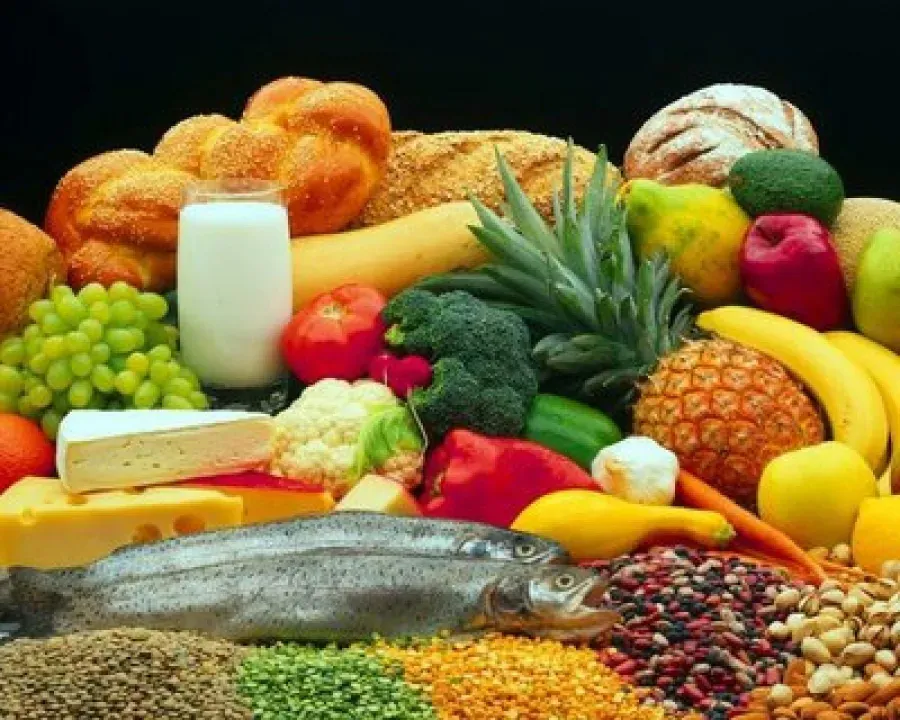
One of the most effective ways to support liver function is to maintain a healthy and balanced diet. Daily meals should include vegetables, fruits, whole grains, legumes and sources of protein. Fibre-rich foods, in particular, help support normal metabolic function. Reducing the consumption of sugary drinks, excessively fatty foods and processed products can also help lower the risk of fat accumulation in the liver.
Adequate water intake is also important for maintaining normal bodily functions. Drinking enough fluids helps the kidneys remove waste products through urine. However, there is no scientific evidence that drinking excessive amounts of water specifically cleanses the liver. Similarly, detox methods such as consuming only fruit juices or prolonged fasting can lead to nutrient deficiencies and electrolyte imbalances.
Alcohol is one of the main factors that can damage liver cells. Regular and excessive consumption can lead to fatty liver disease, inflammation and, over time, serious conditions such as cirrhosis. To protect liver health, experts recommend avoiding alcohol, maintaining a healthy weight and engaging in regular physical activity. Gradual weight loss can be particularly beneficial for overweight individuals, helping reduce the risk of fatty liver disease.
Some people use herbal products such as turmeric, milk thistle and green tea extract in an attempt to protect their liver. Although the antioxidant and anti-inflammatory properties of some of these substances have been studied, there is insufficient clinical evidence to confirm that they cleanse the liver or prevent disease in healthy individuals. Unsupervised use of high-dose herbal extracts may even result in liver damage.
Preventive medical examinations also play an important role in protecting liver health. Persistent fatigue, loss of appetite, nausea, discomfort in the upper right side of the abdomen, and yellowing of the skin and eyes may be associated with liver disease. However, some liver conditions produce no noticeable symptoms in their early stages. For this reason, people at risk should undergo medical examinations and, when necessary, have blood tests to assess liver enzymes and other relevant investigations.
If liver disease has already been diagnosed, detox diets and dietary supplements cannot replace medical treatment. Treatment for hepatitis, fatty liver disease and other conditions depends on their underlying causes and stage of development. In some cases, medication is necessary. Such medicines are prescribed by doctors to treat or manage specific conditions, not to artificially cleanse the liver.
In conclusion, special detox supplements and expensive cleansing programmes are not necessary to maintain the function of a healthy liver. A balanced diet, adequate water intake, physical activity, avoiding alcohol and using medications responsibly are the key factors in protecting liver health. The main goal should not be to cleanse the liver from time to time, but to reduce the factors that interfere with its normal functioning.
Aysel Matlab