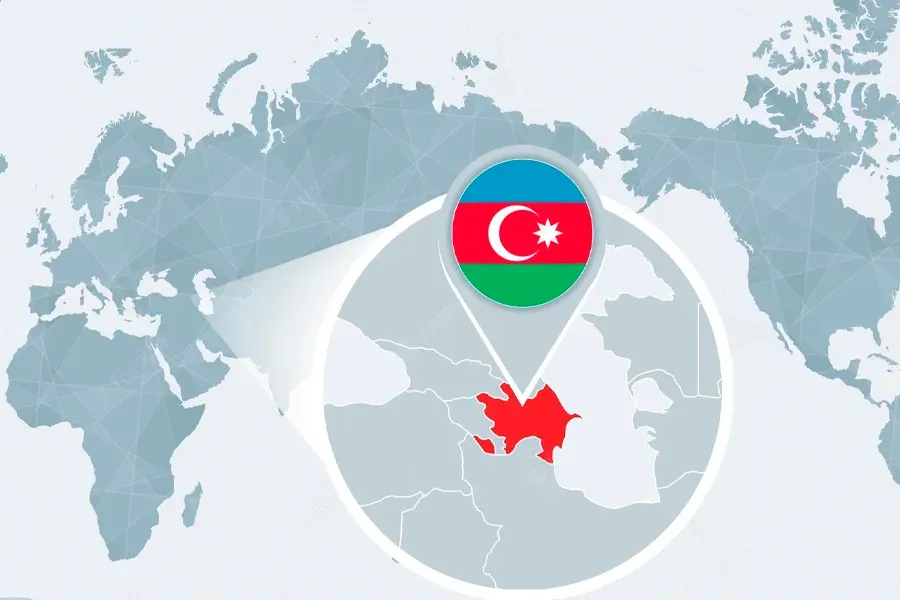

PLAN TO DESTROY IRAN — Tehran issue spreads across the Middle East like cancer
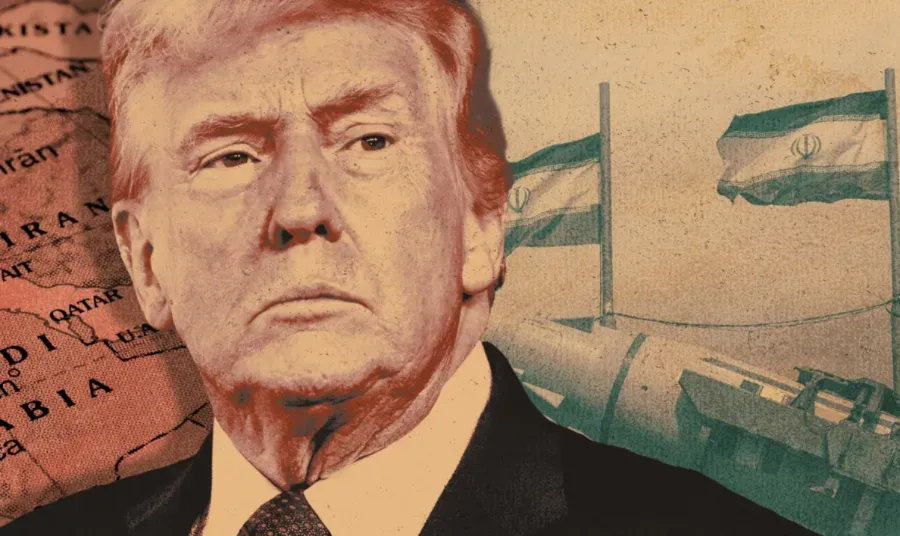
The harsh messages delivered by US President Donald Trump about Iran during his address to the UN General Assembly are further complicating an already tense situation in the Middle East.
Although Trump said from the international podium that a new phase could begin if an agreement is reached with Tehran, he also spoke of the option of “destroying” Iran if no agreement is reached.
At the same time, US and Iranian representatives held indirect, inconclusive talks in New York.
Against this backdrop, the growing confrontation between the Houthis and Saudi Arabia in Yemen poses an additional threat.
The reason is that Houthi strikes on Saudi Arabia could prompt a response from Riyadh, while a Saudi response could lead to Iran becoming more actively involved in the process.
This is the main problem. Several separate conflicts in the Middle East are already converging along the same trajectory. The Iran-US confrontation, the Yemen front, and tensions around the Strait of Hormuz and the Bab el-Mandeb Strait are affecting one another. An event on one front could have repercussions on another.
From this perspective, Houthi attacks on Saudi facilities are no longer merely a continuation of the conflict within Yemen. Because they affect energy infrastructure and maritime routes, the issue has already become one of regional security.
Alongside the Strait of Hormuz, the Bab el-Mandeb Strait also being at risk could deal a serious blow to oil and cargo transportation.
Trump’s mixed approach — on the one hand issuing harsh threats against Iran and on the other speaking of negotiations — indicates that the confrontation has not yet completely slipped out of control.
However, if the diplomatic channel is fully closed and military pressure increases, the Yemen, Gulf and Iran fronts could potentially become active simultaneously.
For this reason, the main danger at present is not so much the declaration of a new war as the possibility that ongoing confrontations could fuel one another and give rise to a larger regional war.
Jala Rovshan