How to prevent muscle and bone weakness in old age
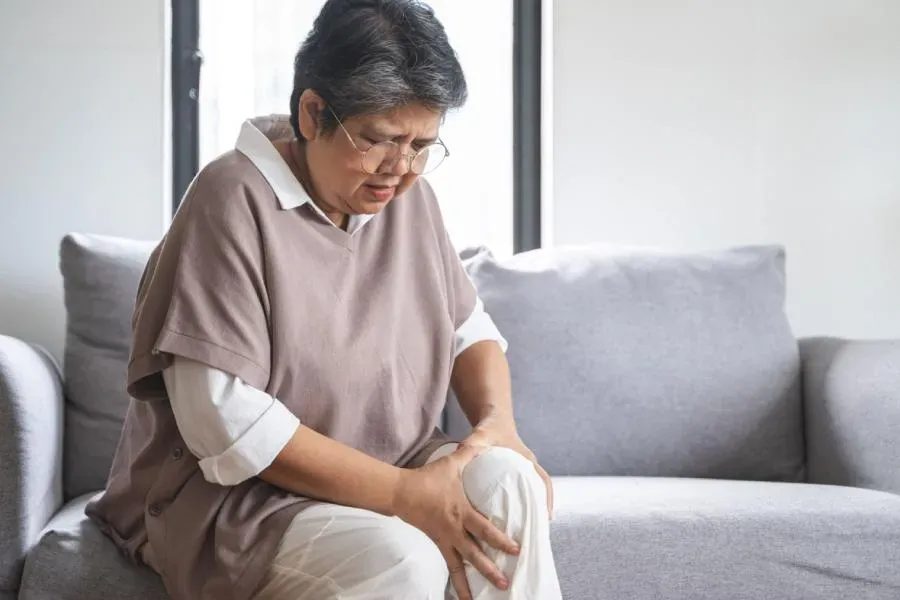
Ageing is accompanied by a number of physiological changes in the body. These changes particularly affect the muscular and skeletal systems, potentially leading to a decline in muscle mass, reduced bone density and limited mobility. As people grow older, muscle strength and endurance decrease, while bones become more fragile. These processes increase the risk of falls, fractures and difficulties with everyday activities.
The gradual loss of muscle mass and strength in older adults is known as sarcopenia. Although this condition is primarily associated with ageing, physical inactivity, inadequate nutrition, chronic diseases and hormonal changes can also contribute to its development. Sarcopenia can make walking, climbing stairs, sitting down and standing up, and carrying out everyday tasks independently more difficult. Reduced muscle strength also increases the likelihood of falls.
One of the main changes affecting the skeletal system is osteoporosis. This condition involves a decline in bone density and quality, making bones more fragile. In women, particularly after menopause, a drop in estrogen levels can accelerate bone loss. Men also experience age-related declines in bone density. Osteoporosis can develop for a long time without noticeable symptoms and may only become apparent after a fracture caused by even minor trauma.
Regular physical activity plays an important role in preserving muscle and bone mass. Strength and resistance exercises are particularly beneficial, as they help strengthen muscles, improve their function and support bone health. Exercises with light weights, resistance bands, sit-to-stand movements and climbing stairs are examples of suitable physical activities. Older adults are generally advised to perform muscle-strengthening exercises involving all major muscle groups at least twice a week.
Activities such as walking, cycling and water aerobics also help maintain health. In addition to supporting cardiovascular function, these exercises have a positive effect on maintaining mobility and bone health. Particular attention should also be paid to activities that improve balance and coordination. Tai chi and adapted gymnastics can help reduce the risk of falls. Physical activity should be tailored to an individual’s age, health condition and physical capabilities.
Nutrition is another key factor in maintaining muscle and bone tissue. Protein is essential for building and repairing muscles and preserving existing muscle mass. Older adults should include sufficient sources of protein in their diets, such as eggs, fish, chicken, dairy products and legumes. Distributing protein intake across meals throughout the day can also be beneficial. Reduced appetite and inadequate food intake, in particular, can accelerate muscle loss.
Calcium and vitamin D are especially important for bone health. Calcium is one of the main mineral components of bone tissue, while vitamin D helps the body absorb it from the intestines. Milk, yoghurt, cheese, calcium-fortified products, fish and certain green vegetables are sources of these nutrients. Vitamin D is also produced in the skin through exposure to sunlight and is found in some foods. If a deficiency in these vitamins or minerals is identified, supplements may be taken on a doctor’s recommendation.
Maintaining a healthy body weight is also important for preserving muscle and bone health. Being underweight can increase the risk of fractures, while obesity can place additional strain on the joints. Smoking and excessive alcohol consumption are also factors that negatively affect bone health. In addition, prolonged sitting can contribute to a decline in muscle strength. Therefore, staying active throughout the day and avoiding extended periods of inactivity are recommended.
Regular medical check-ups are also important for preventing the loss of muscle and bone mass in older adults. Frequent falls, muscle weakness, loss of height, back pain and fractures following minor injuries are symptoms that require attention. To assess the risk of osteoporosis, a doctor may recommend measuring bone mineral density through a scan known as bone densitometry. Certain chronic diseases and medications can also affect muscle and bone health, making regular medical assessments important.
Although the decline in muscle and bone mass associated with ageing is a natural process, its effects can be slowed to some extent. A balanced diet, adequate intake of protein, calcium and vitamin D, regular strength training and daily physical activity are among the key measures. Maintaining a healthy lifestyle can help older adults preserve their mobility, independence and quality of life for longer.
Aysel Matlab