
Baku’s 10th Formula 1 race: A decade-long story of speed in the city
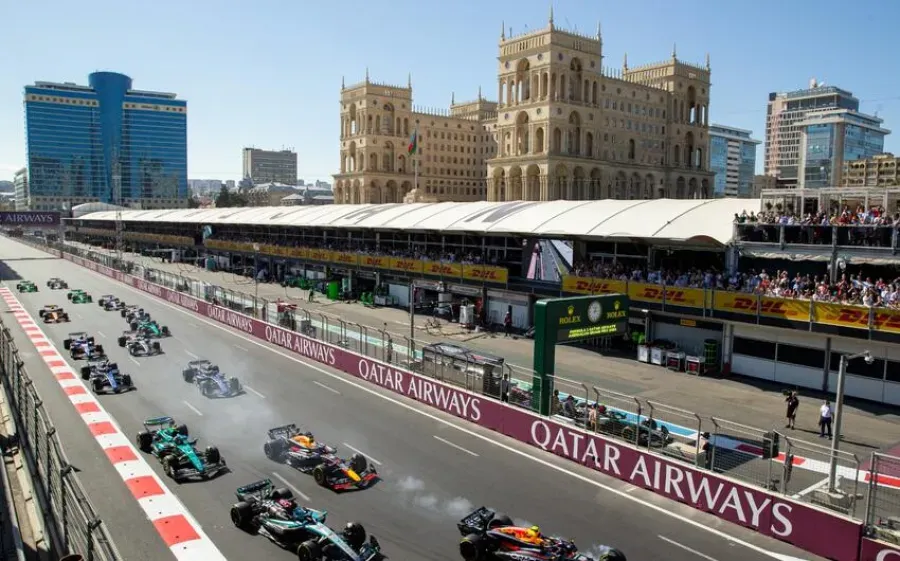
The 2026 race should be viewed not simply as Baku’s 10th Formula 1 race, but as the culmination of the city’s decade-long journey with Formula 1. The project began in 2016 as the European Grand Prix and reaches its anniversary stage in 2026. Since the race was not held in 2020 due to the COVID-19 pandemic, this will be the 10th race on the calendar, but effectively the 10th Formula 1 race weekend to be held in Baku.
Baku’s nine races have produced seven different winners:
Nico Rosberg, Daniel Ricciardo, Lewis Hamilton, Valtteri Bottas, Sergio Perez, Max Verstappen and Oscar Piastri. Verstappen and Perez have each won twice. This is one of the indicators of why the Baku race has long been regarded as one of the most unpredictable events on the Formula 1 calendar.
Why is Baku a special track for Formula 1?
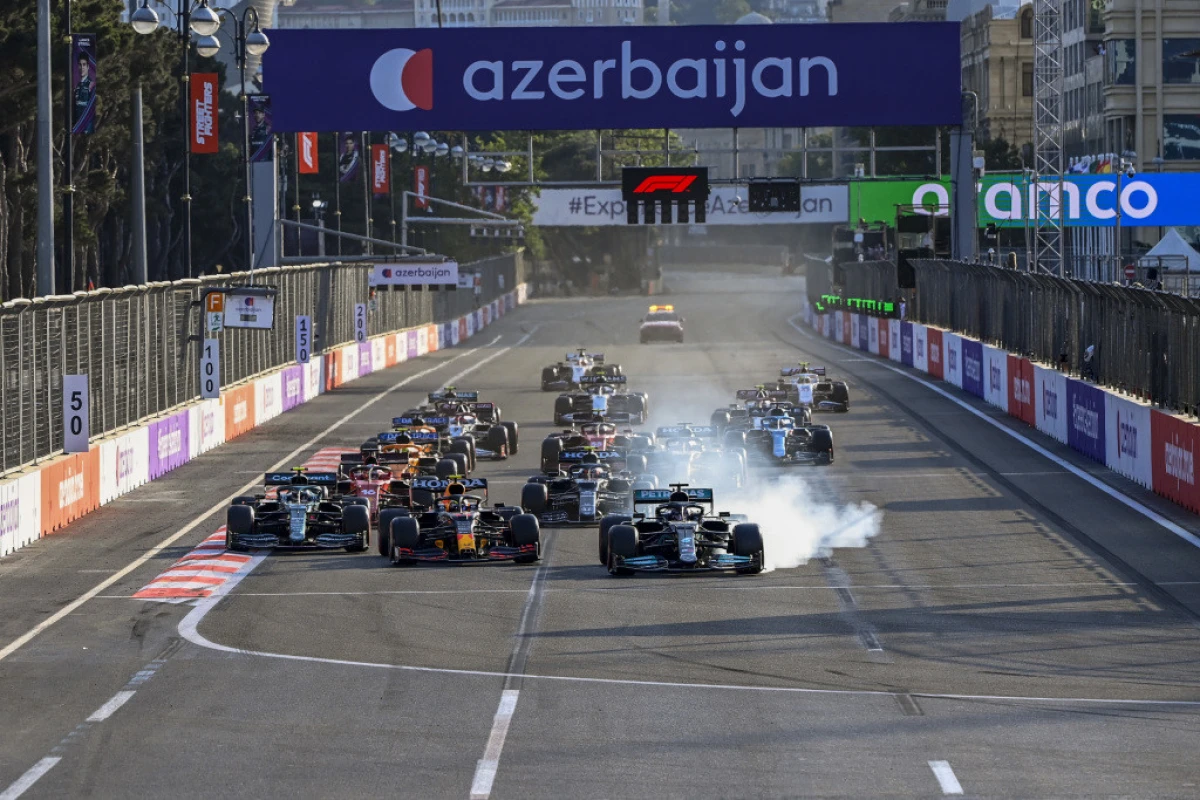
The defining feature of the Baku City Circuit is that it is built around contrasts.
On one side are the wide, high-speed sections of the approximately six-kilometre circuit; on the other are the very narrow and technical sections running through the Old City. The circuit is 6.003 km long, while the race distance is 306.049 km over 51 laps.
This layout forces drivers to combine maximum speed on the long straights with millimetre precision through the narrow sections.
That is why Baku is often described not simply as a “fast track”, but as a street circuit where there is very little room for error.
The statistics also demonstrate this. In races held through 2025, only two winners — Nico Rosberg and Valtteri Bottas — have converted pole position into victory.
In other words, Baku is a venue where the outcome depends not only on the speed of the car, but also heavily on strategy, tyre selection, the safety car and driver errors.
The key sporting result of 10 years: Baku is no longer an “exception”
In the early years, there were questions over whether the Azerbaijan Grand Prix would become a permanent fixture on the Formula 1 calendar. Today, the situation is different.
In September 2025, Formula 1 and Azerbaijan signed a new agreement. The Baku race will remain on the calendar until 2030. Formula 1 management has highlighted the long straights, technical sections and the unique setting through the Old City as among the key strengths of the Baku circuit.
This makes the anniversary race not merely a look back at the past, but also the beginning of a new four-year phase ahead.
Impact on tourism: How many tourists does Formula 1 bring to Baku?
It is important to distinguish between the figures here. The “total number of spectators” and the “number of foreign tourists” are not the same indicator.
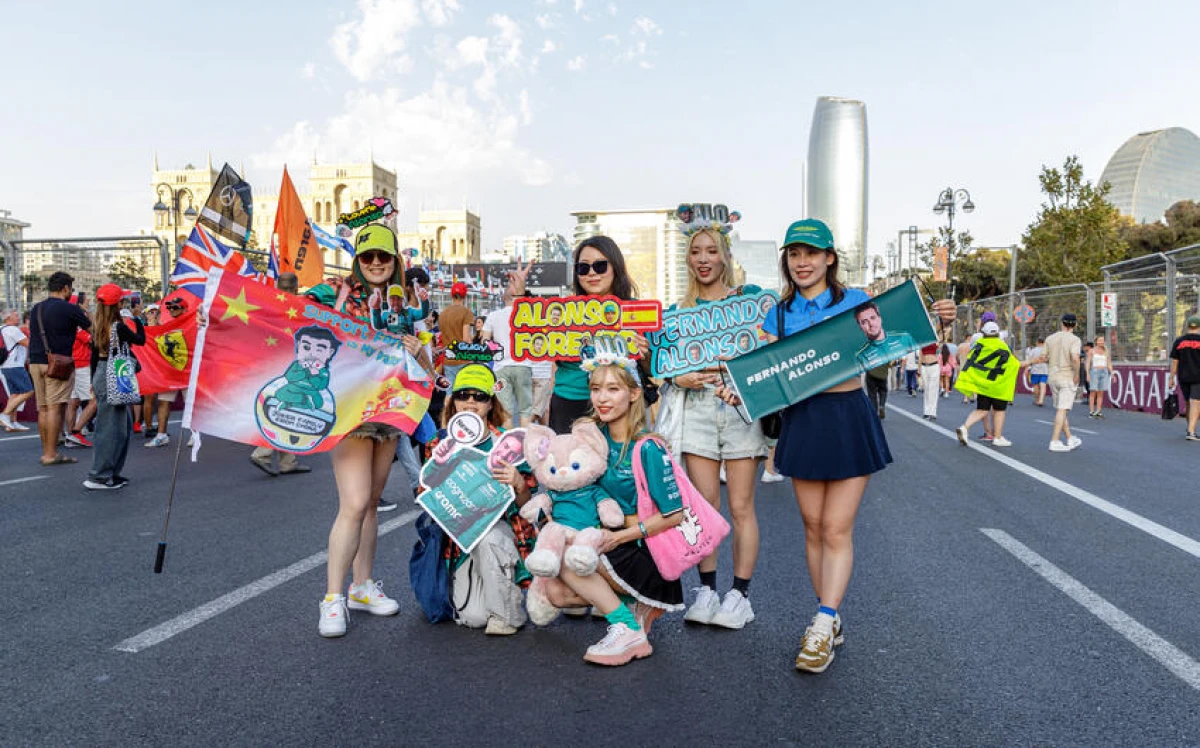
For example, a total of 94,000 people attended the races and concerts in 2018. This figure also included local spectators; 77 percent of the tickets sold that year were purchased locally. At the same time, the number of foreign visitors increased by 31 percent compared with the previous year.
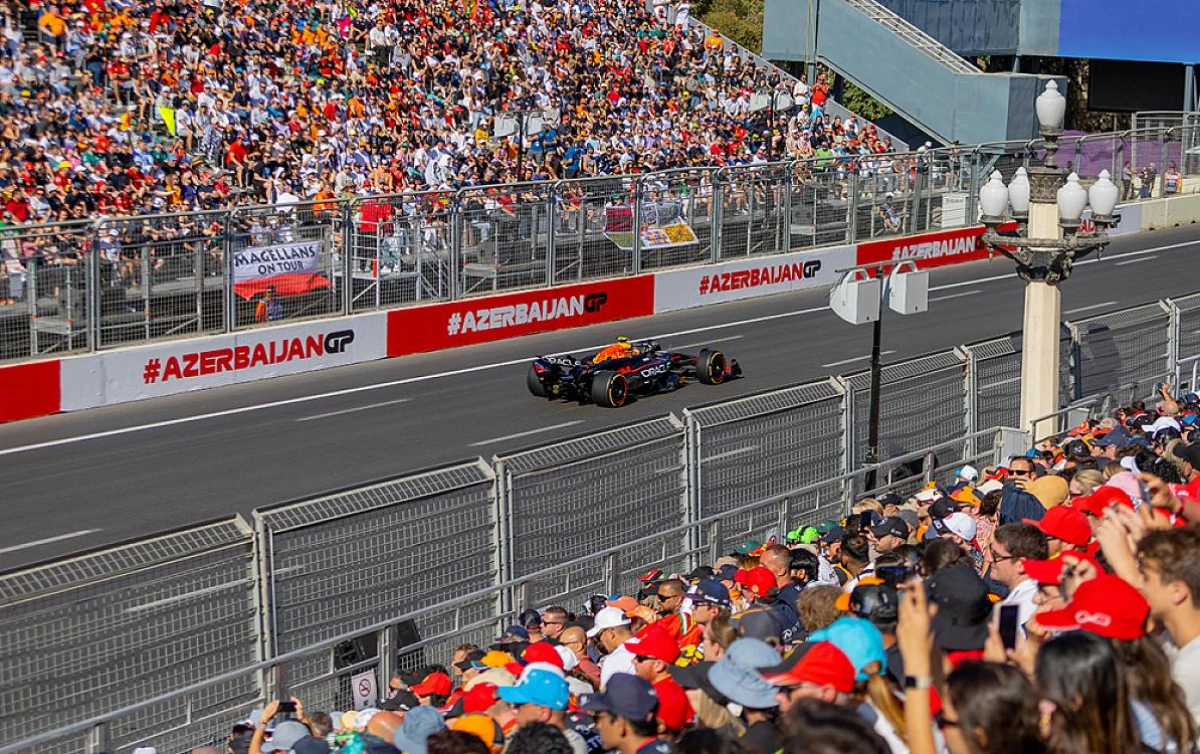
In 2024, 76,000 spectators attended the race weekend, and organizers described this as the highest figure recorded up to that point in the previous eight years. Fans from more than 70 countries attended the race.
For 2025, organizers and international media reported approximately 13,000 international visitors.
The significance of this figure lies in the fact that tourists do more than simply buy a ticket. They stay in hotels, eat at restaurants, use taxis and other forms of transport, shop, visit other tourist attractions in the city, and may spend additional days in Baku before and after the race.
Therefore, the tourism impact of Formula 1 cannot be measured solely by revenue from the circuit and grandstands.
One of the most notable figures: tourist spending
According to 2025 data, Mastercard Azerbaijan Country Manager Emil Zeynalov said that tourist spending in Azerbaijan during the Formula 1 period in 2024 increased by 85 percent compared with 2023.
This figure is particularly important because it concerns not only the number of tourists, but also how much they spend in the city.
This also shows Formula 1’s impact on Baku’s:
hotel → restaurant → transport → retail → entertainment → services
chain.
Formula 1’s marketing effect on the city
The most difficult impact of Formula 1 to measure, but potentially one of the most significant, is the international visual exposure it provides for Baku.
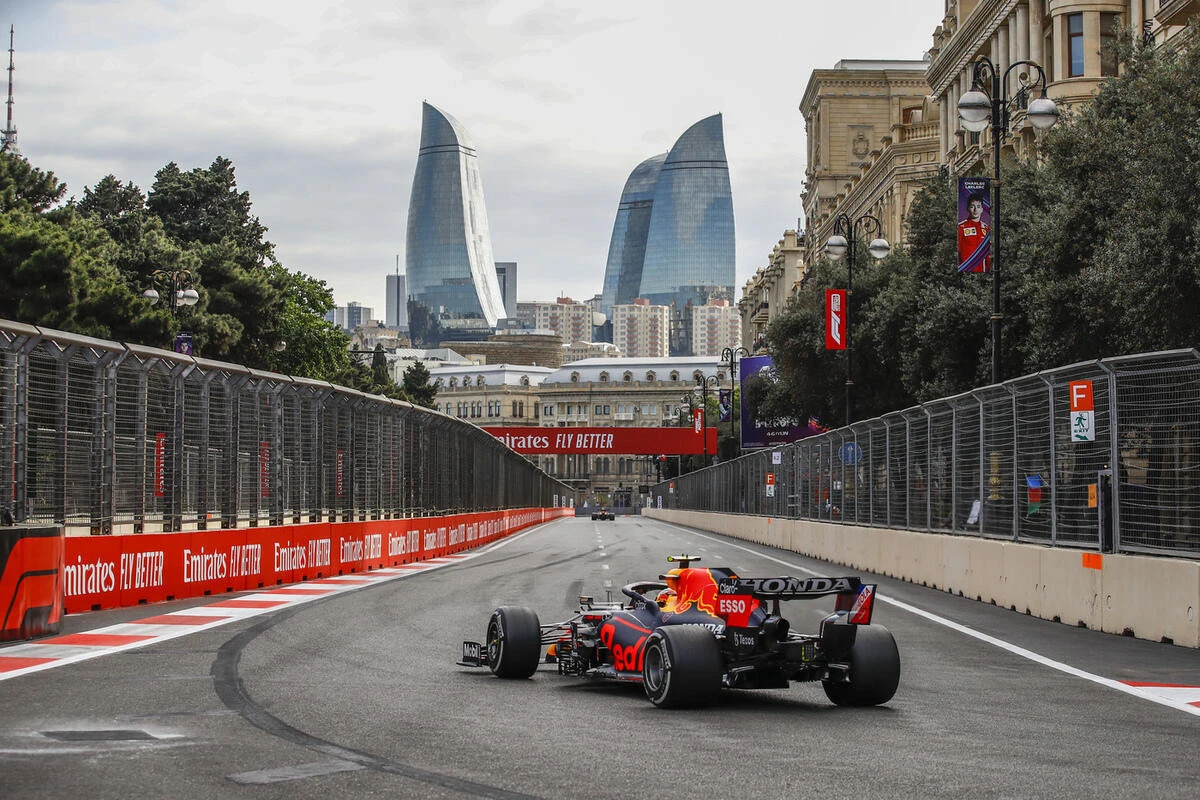
Television coverage of the Baku Grand Prix simultaneously showcases the Caspian Sea, the Old City, the area around the Maiden Tower, the city’s modern architecture, the Boulevard and the capital’s streets.
In other words, Formula 1 serves as a city showcase that extends far beyond the venue where the race is held.
Formula 1 has stated that the 2024 race attracted fans from more than 70 countries and reached a global television audience of more than 66 million.
This differs from an ordinary advertising campaign for Baku. The city is not simply shown in a promotional video; it appears in real time against the backdrop of a global sporting event.
Another indicator of the anniversary race: Formula 1 itself has grown
It is also interesting to compare the 2026 anniversary with Formula 1 in 2016.
According to Formula 1 data, its global fan base reached 827 million in 2025, an increase of 63 percent compared with 2018. Forty-three percent of the audience is under the age of 35, while the share of women has risen to 42 percent.
This means that the audience Formula 1 had when Baku joined the championship 10 years ago is not the same as the audience it has in 2026.
Young people and digital audiences, in particular, are increasing Formula 1’s commercial value. Baku is also among the races benefiting from this global growth.

What is the main result of 10 years?
The 10-year history of the Azerbaijan Grand Prix cannot be measured solely by asking, “How many races were held and who won?”
The impact of the project on Baku can be viewed on four levels:
Sport:
Baku has seen seven different winners in nine races and has established a reputation as one of Formula 1’s most unpredictable circuits.
Tourism:
The race brings thousands of international visitors to Baku. For 2025, the figure was reported at approximately 13,000 foreign visitors.
Business:
It generates additional economic activity across various sectors, from hotels and restaurants to transport and services. The total economic impact since 2016 has been estimated at $277.3 million.
City brand:
Over the course of a decade, Baku has become one of the cities regularly featured in Formula 1’s global broadcasts. The fact that the 2024 race reached a television audience of more than 66 million illustrates the scale of that exposure.
The main conclusion is that the Azerbaijan Grand Prix has moved beyond being a standalone sporting event brought to Baku and has become part of the city’s international events, tourism, hospitality and business ecosystem. However, determining its actual net economic benefit requires organizational and government expenditures to be calculated alongside the economic returns generated.
The 10th race in 2026 is therefore not simply an anniversary. It marks the conclusion of Baku’s first decade in Formula 1 and the beginning of a new phase extending through 2030.
Namiq HUN