
Merz says “no,” Babis calls it “unacceptable”: What is happening within the EU?
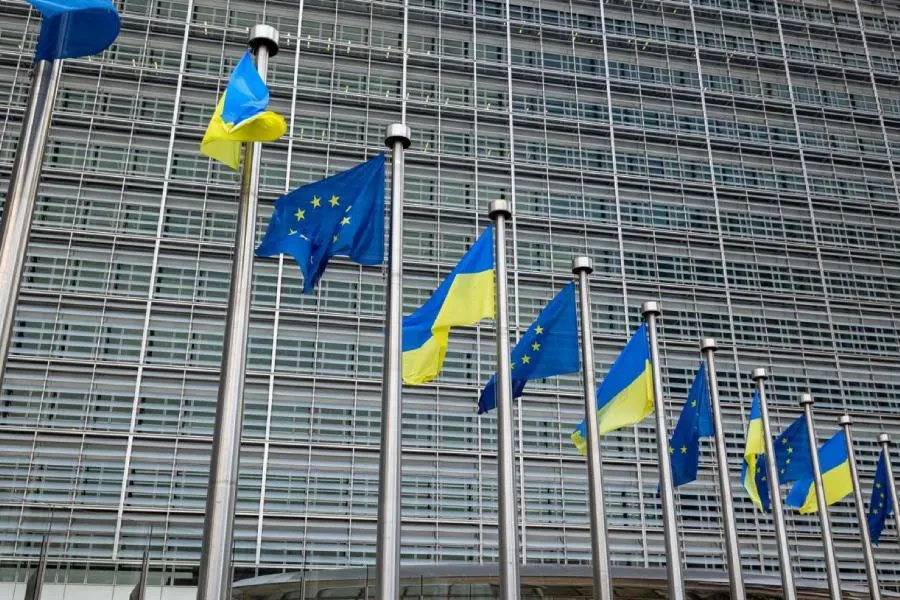
European Union (EU) leaders have begun a two-day summit to discuss a reduced seven-year budget proposal and ways to help address Ukraine’s funding shortfall next year.
TodayPress TV reports that the European Commission proposed a budget of approximately €2 trillion ($2.19 trillion) for 2028–2034 in July last year. However, EU leaders failed to reach an agreement in October on a compromise proposal put forward by Ireland, which holds the rotating presidency of the EU. Several countries have called for a smaller budget, with greater emphasis on competitiveness and defence.
This week, EU leaders will discuss a proposal put forward by European Council President António Costa to limit the bloc’s spending commitments for 2028–2034 to €1.58 trillion.
The European Commission has proposed providing Ukraine with a loan of up to €45 billion ($49.38 billion), backed by the EU budget. The loan would supplement the EU’s €90 billion ($98.76 billion) loan programme for 2026 and 2027 and cover approximately two-thirds of Ukraine’s remaining funding shortfall next year.
According to The Guardian, Czech Prime Minister Andrej Babiš opposed linking Ukraine’s funding to the EU’s next long-term budget, saying that such funding “should be discussed separately”.
The remarks came as EU leaders gathered in Brussels to discuss the bloc’s next long-term budget and Ukraine’s financial needs for 2027.
According to a statement from the Czech government, Babiš described the latest EU budget proposal as “completely unacceptable” for Czechia during a meeting in Bratislava on November 23 attended by the leaders of the Visegrád Group and Austrian Chancellor Christian Stocker. Before departing for the meeting, he said the proposal allocated an excessively small share of the budget to member states.
In a letter addressed to Costa and published by the Czech government on November 10, Babiš stated that an agreement on Ukraine’s future funding should not be a condition for adopting the EU’s next long-term budget. He said Ukraine needed predictable and sustainable support, while the EU must retain the ability to define and finance its long-term priorities.
Meanwhile, German Chancellor Friedrich Merz said the EU’s proposed seven-year budget was still too large to secure Germany’s support. He called for budget discussions to address how the costs of supporting Ukraine should be distributed among the 27 member states.
“The proposals put on the table so far, in our view, do not provide a basis for an agreement. The overall amount is still too high”,- Merz told reporters upon arriving in Brussels.
He added that member states must be able to afford to finance the budget.
Aysel Matlab