
Is the CIS falling apart, and why is Azerbaijan still part of it? – OPINION
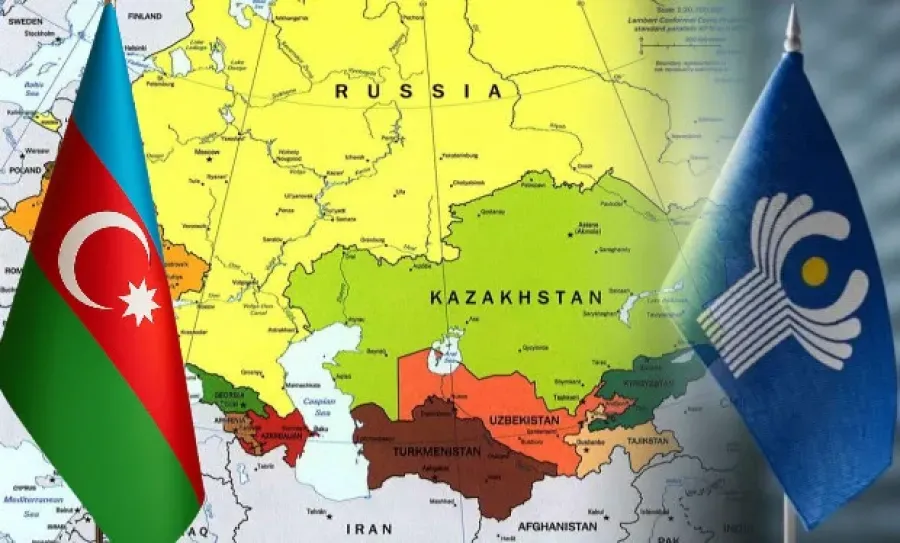
The Commonwealth of Independent States (CIS) continues to function as a platform for political, economic and regional cooperation in the post-Soviet space. Against the backdrop of changing international relations, the organisation’s future role and prospects are also attracting attention.
But what does the CIS format offer for the future?
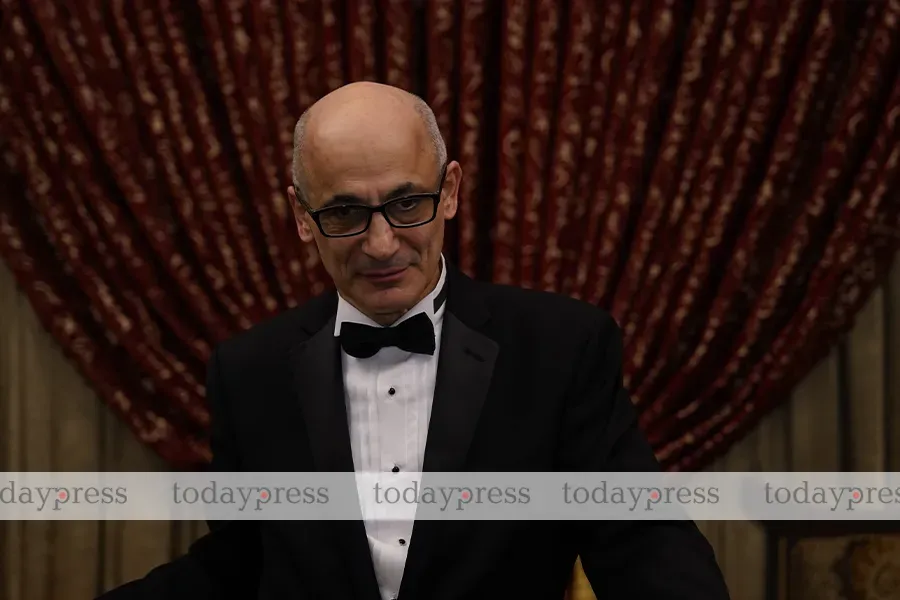
Political analyst Shakir Agayev has shared his views on the subject with TodayPress TV.
According to him, Azerbaijan’s participation in the CIS serves the country’s national interests and provides it with various opportunities:
“Opinions about the Commonwealth of Independent States are far from unanimous. Both politicians and analysts express different views on this format. However, if we look at the issue realistically, particularly from Azerbaijan’s perspective, what matters most is Azerbaijan’s interests. We are concerned with the future position of Azerbaijan within the international structures in which it is represented and the extent to which those structures protect the country’s interests. The same applies to the Commonwealth of Independent States.
I believe that, first and foremost, this organisation brings together countries of the post-Soviet space. Azerbaijan benefits from it mainly in economic, trade and humanitarian matters, and this serves the country’s interests. We know that Azerbaijan has historically maintained economic and trade ties with the countries currently belonging to the Commonwealth of Independent States, including Central Asian countries, Russia, Belarus and others. At the same time, many of these states are neighbouring countries and regional partners of Azerbaijan. That is why Azerbaijan’s representation in this organisation is of interest and appeal to us.”
According to the analyst, maintaining the economic and humanitarian ties established within the CIS framework is also important for Azerbaijan:
“There are people who travel from CIS countries to Azerbaijan, and from Azerbaijan to those countries, for work. With the exception of Turkmenistan, Azerbaijani citizens can travel to CIS countries without visas. Naturally, economic and trade ties have developed over the years between countries that lived in the post-Soviet space for a long time and, to a certain extent, shared a common statehood experience. These ties cannot simply be severed overnight. The Commonwealth of Independent States is a normal platform for maintaining these relations. The organisation mainly brings together regional states that have ties with Azerbaijan. Maintaining good relations with these countries is very important for Azerbaijan.”
Shakir Agayev also stressed that Azerbaijan does not support decisions within the CIS framework that run counter to its national interests:
“The existence of this format and Azerbaijan’s participation in it do not negatively affect the country’s national interests. On the contrary, Azerbaijan uses this platform to advance certain interests. Azerbaijan does not sign decisions or documents that contradict its interests.”
Turning to the CIS’s future prospects, our interviewee said he believes the organisation will continue to operate:
“November 26 marked the 35th anniversary of the establishment of the CIS. It is true that several states have left the organisation. These include Georgia and Ukraine, as well as Moldova, which is currently in the process of withdrawing. The Baltic states, meanwhile, were never members of the organisation. Despite all this, Azerbaijan continues to maintain economic, trade and political relations with these countries in various areas. In other words, membership in the CIS does not harm Azerbaijan’s relations with other states in any way.
I believe the Commonwealth of Independent States will continue to exist. Decisions made and activities carried out in line with the interests of its member states show that this format remains useful, at least for the time being.”
Jala Rovshan