
Germany exposes Russia’s “true colours”: What hidden cards could Moscow play against Yerevan?
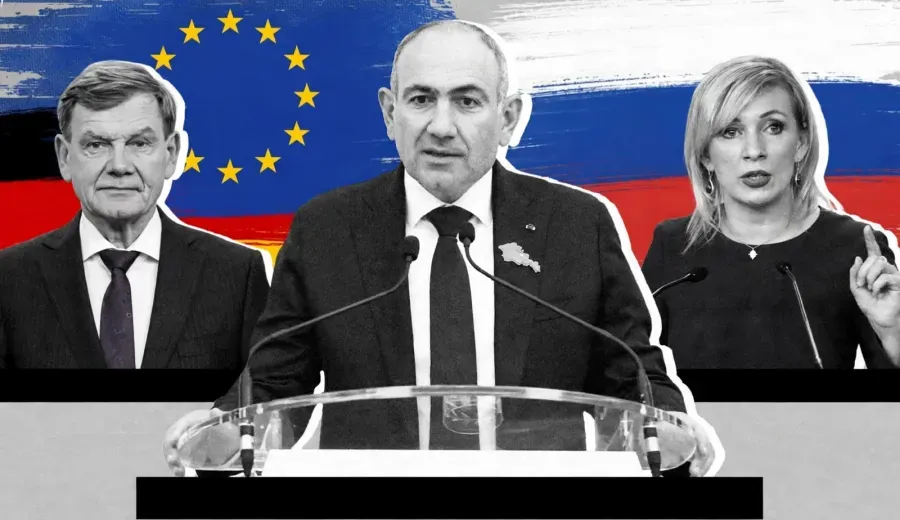
Russian Foreign Ministry spokeswoman Maria Zakharova has described German Foreign Minister Johann Wadephul’s remarks on amending Armenia’s Constitution as a gross interference in the country’s internal affairs.
At a briefing on November 26, Zakharova said that the European Union’s policy in the South Caucasus was aimed at weakening Russia’s position in the region and creating new sources of tension.
The Russian Foreign Ministry spokeswoman stressed that the decision to amend Armenia’s Constitution should be made independently by the Armenian people, and that interference by outside countries in this matter was unacceptable.
“The German official’s remarks concerning the Armenian Constitution are nothing other than open and gross interference in the internal affairs of a sovereign state. Such decisions must be made independently by the Armenian people, without anyone’s interference or unsolicited advice from outside. Moreover, I am sorry, but this matter has absolutely nothing to do with Germany,” the Russian Foreign Ministry spokeswoman said.
But why have Wadephul’s remarks provoked such a reaction from Russia?
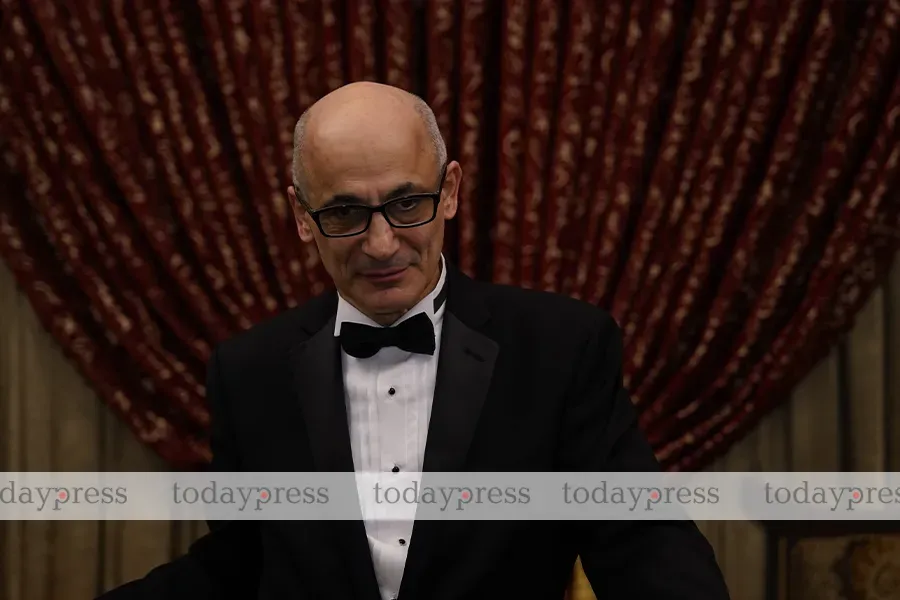
Speaking to TodayPress TV, political analyst Bakir Hasanbayli commented on German Foreign Minister Johann Wadephul’s statement about the need for constitutional amendments in Armenia and Russia’s reaction to it.
According to him, the remarks Wadephul made in an interview with his country’s media on November 21, 2026, once again brought to the fore the importance of constitutional amendments for the signing of a final peace agreement between Armenia and Azerbaijan. The German foreign minister noted that the situation in the South Caucasus was developing positively and that the parties had reached agreement on key issues. At the same time, he stressed that amendments to Armenia’s Constitution were necessary for the signing of a final peace treaty. Although he acknowledged that these amendments were a matter for Armenia’s internal affairs, he also emphasised the importance of European support for the process and regional stability.
It is also noteworthy that two days after Wadephul’s remarks, on November 23, the Armenian government presented its new draft Constitution to the public. The draft removes the reference to the 1990 Declaration of Independence, which contains territorial claims against Azerbaijan.
According to the analyst, Moscow’s reaction to the German foreign minister’s remarks is driven by its intention to preserve Russia’s position in the South Caucasus and prevent the expansion of Western influence in the region:
“The Russian Foreign Ministry spokeswoman criticised the German minister’s remarks on Armenia’s Constitution, describing them as interference in the internal affairs of a sovereign state. She also portrayed calls for constitutional amendments as an attempt to push Russia out of the South Caucasus. Russia’s concerns on this issue stem from several key factors. According to the Russian Foreign Ministry’s position, decisions concerning the Constitution must be made independently by the Armenian people, without external instructions. Moscow considers it inappropriate for a German official to comment on this matter. Zakharova argues that behind the German foreign minister’s remarks about Baku and Yerevan moving closer to the European Union and the constitutional amendments lies the West’s intention to marginalise Russia in the region.
Russia advocates resolving regional problems through the involvement of the countries of the region themselves and on the basis of the principle of regional responsibility, rather than through Western states, particularly within the ‘3+3’ format.”
The analyst believes that Moscow may seek to obstruct the adoption of Armenia’s new draft Constitution and the referendum process through various political, economic and information-based means:
“Against the backdrop of the ruling Civil Contract party’s failure to secure a constitutional majority in the June 2026 elections and the presentation of the new draft Constitution in November, Moscow’s opportunities to influence the process are concentrated in several key areas.
Since the ruling party does not have a constitutional majority in the Armenian parliament, opposition MPs could block the calling of a referendum. Opposition forces close to Moscow could refuse to support the referendum initiative without the Kremlin’s approval, effectively freezing the process at the parliamentary level.
Russia could use Armenia’s export market and its membership in the Eurasian Economic Union as instruments of pressure by imposing various restrictions on agricultural and other goods. Russia’s involvement in the country’s gas supply, railway network and projects related to the Metsamor Nuclear Power Plant could also become subjects of political bargaining with Yerevan.
Moscow could seek to change the agenda by demanding a separate referendum on whether Armenia should remain in the Eurasian Economic Union or integrate with the European Union. Through pro-Russian media outlets and social networks, propaganda could be spread claiming that the new draft Constitution was prepared under external pressure and runs counter to national interests.
The organised mobilisation of hundreds of thousands of voters living in Russia who hold Armenian passports is one factor that could directly influence the outcome of the referendum. Changes in the new draft concerning the status of the Armenian Apostolic Church and state symbols could be used to encourage conservative segments of society and church circles to protest against the government.”
Giymat Mahir