
Football ends, diplomacy begins: What is Ankara demanding from Tbilisi?
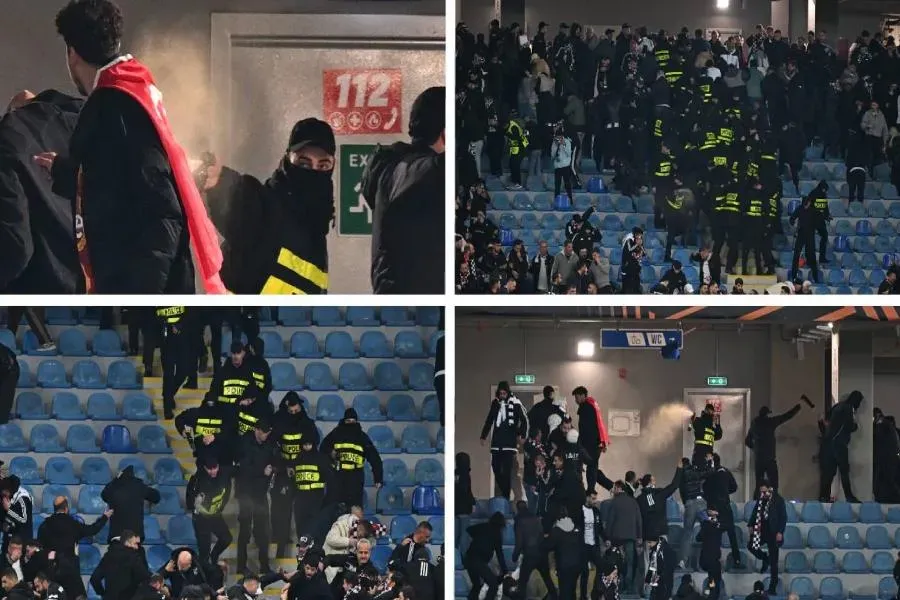
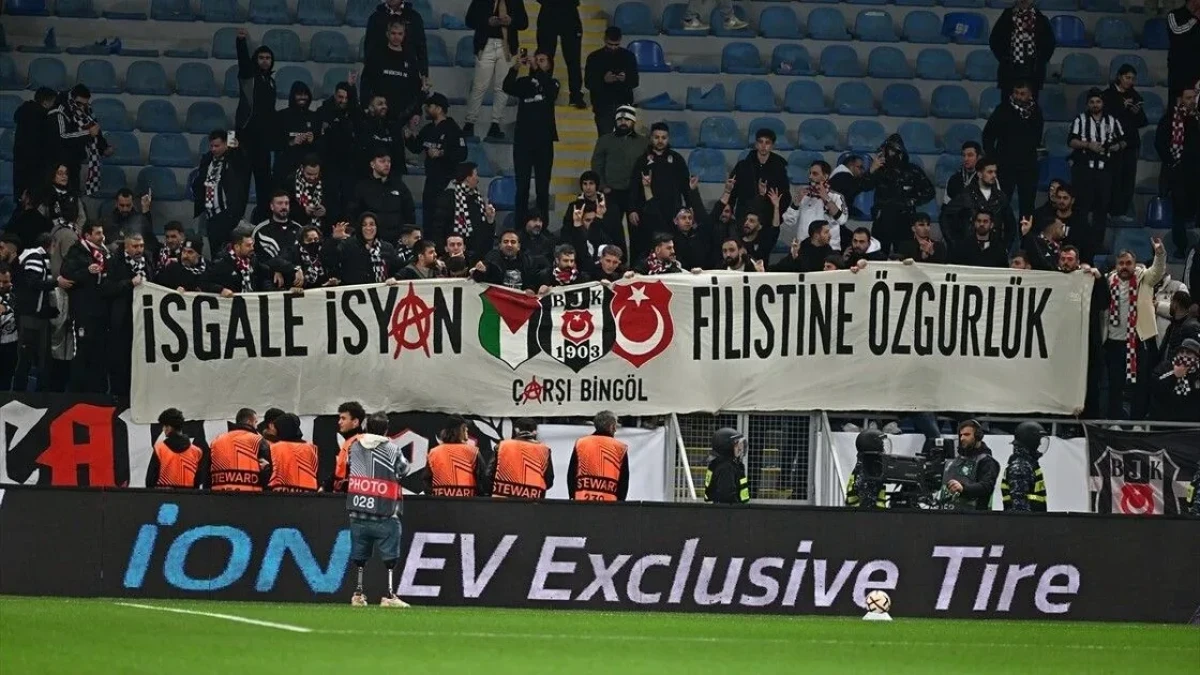
The UEFA Europa League league phase match between “Besiktas” (Türkiye) and “Hapoel” (Israel) on november 26 was marked by tensions in the stands. Georgian police intervened after Besiktas supporters raised Palestinian flags.
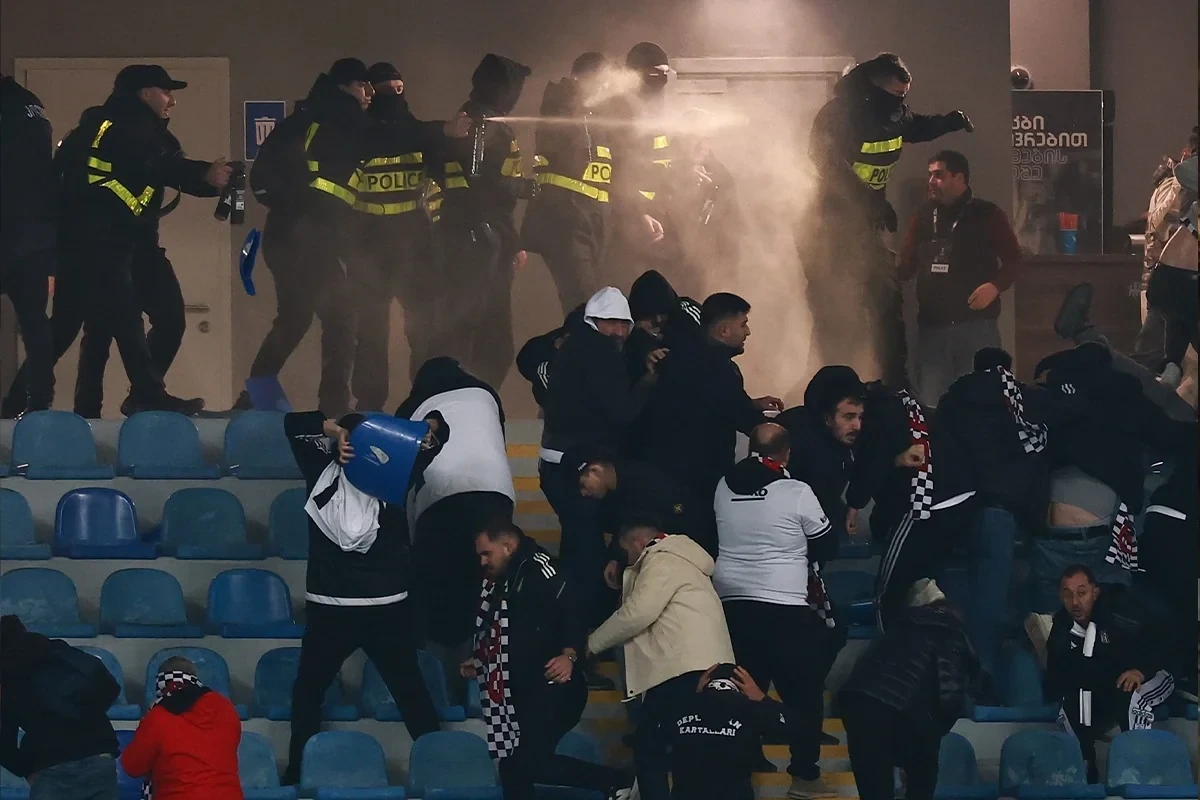
Following the incident, Turkish Foreign Minister Hakan Fidan held a phone conversation with his Georgian counterpart, Maka Botchorishvili. Turkish Interior Minister Mustafa Ciftci also called his Georgian counterpart, Sulkhan Tamazashvili, to protest the disproportionate use of force against Besiktas supporters.
Turkish Youth and Sports Minister Osman Askin Bak also responded to the incident, strongly condemning the disproportionate use of force against Besiktas supporters by Georgian law enforcement authorities.
Could the incident lead to political tensions in Türkiye–Georgia relations following these protests?
Speaking to TodayPress TV , political analyst Rashad Bayramov said that the incident during the match and the subsequent telephone conversations between senior Turkish officials and representatives of the Georgian government indicate that the matter has gone beyond an ordinary sporting confrontation.
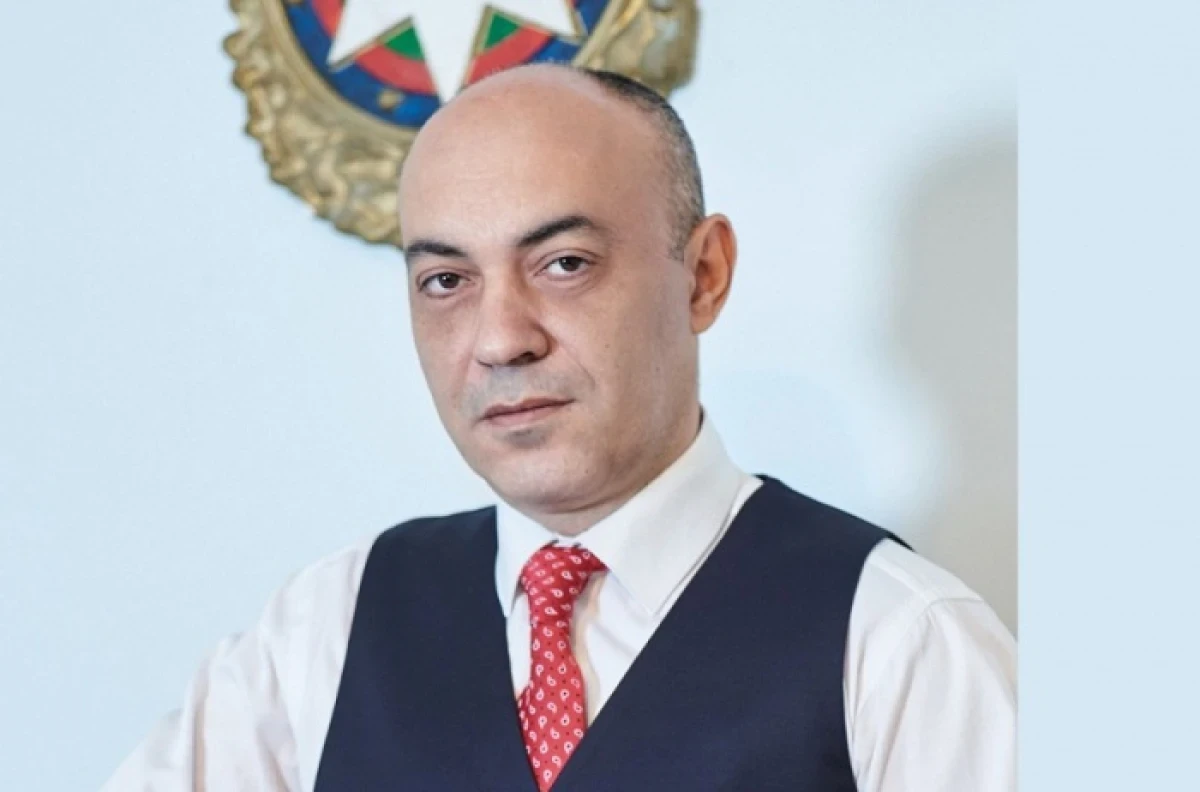 The analyst emphasized that Ankara’s efforts to protect the rights of Turkish citizens are entirely natural and that it is justified in demanding an explanation from Tbilisi regarding the conduct of Georgian security forces. However, the current situation is unlikely to develop into a serious political crisis in Türkiye–Georgia relations.
“First and foremost, it should be noted that relations between Türkiye and Georgia are not limited to bilateral diplomatic ties. The two countries are important partners in regional security, energy routes, transport and communication links, trade, and cooperation in the South Caucasus. Strategic projects such as the Baku–Tbilisi–Ceyhan oil pipeline, the Baku–Tbilisi–Kars railway, and the Southern Gas Corridor further increase the importance of this cooperation. Under such circumstances, any incident negatively affecting the overall architecture of bilateral relations would be an undesirable outcome for both Ankara and Tbilisi”,- he explained.
The political commentator also noted that the swift and high-level response of Turkish officials demonstrates Ankara’s sensitivity to the matter. In particular, the foreign and interior ministers contacting the relevant Georgian authorities simultaneously was not a coincidental diplomatic move. It demonstrates a principled position on protecting the safety of Turkish citizens while sending a political message to the Georgian side that the incident must be thoroughly investigated.
The political analyst added that another important aspect of the incident is its connection to the Israeli–Palestinian conflict. The match against an Israeli club, the chanting of pro-Palestinian slogans in the stands, and the display of Palestinian flags gave the incident additional political sensitivity:
“Considering the highly sensitive public and political attitudes towards the Palestinian issue in Türkiye, the use of force against supporters has generated widespread reactions within the country. For this reason, Ankara approaches the matter not only from the perspective of football supporters’ safety but also in the context of public dissatisfaction and political responsibility.
In other words, Türkiye’s diplomatic activity also has certain domestic political motivations. Ankara is demonstrating a principled stance on ensuring the safety of its citizens abroad while maintaining its political position on the Palestinian issue. The similar reactions from various Turkish political circles, football clubs, and government officials further increase the public significance of the matter”.
 According to Bayramov, although diplomatic dissatisfaction has emerged in Türkiye–Georgia relations at the current stage, it is unlikely to seriously damage their strategic relationship. The main issue is for Georgia to conduct a transparent investigation into the incident, ensure the rights of detained Turkish citizens, and take measures to prevent similar incidents from recurring.
Türkiye will most likely seek to limit its response to diplomatic pressure and formal protest mechanisms. In other words, the incident can be regarded as a test of bilateral relations, but it does not provide grounds for undermining the strategic partnership.
It should be noted that Georgia’s ambassador to Ankara was summoned to the Turkish Foreign Ministry, where a protest was lodged over the appalling incidents that occurred during “Besiktas” UEFA Europa League match in Batumi, and various pieces of evidence were presented.
Türkiye demanded a comprehensive investigation into the incidents, as well as appropriate legal action against those who used disproportionate force against Turkish citizens and those responsible for the intervention.
Aysel Matlab